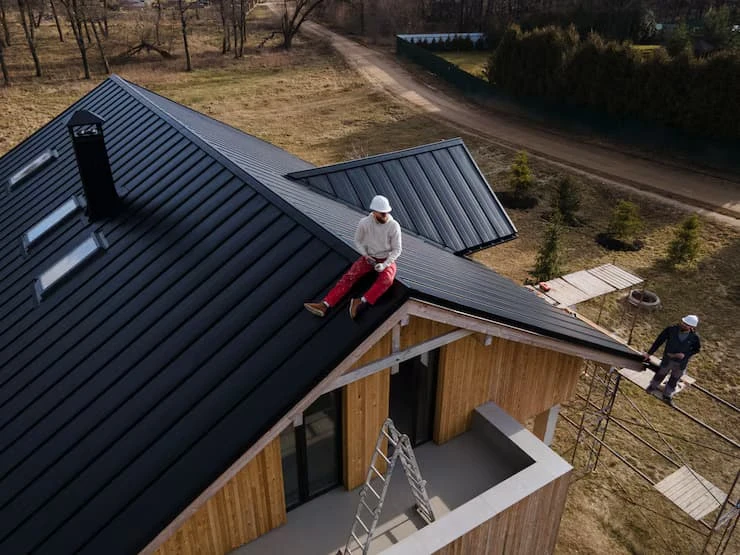

Flat roof conversions are an excellent way to maximize space in a property, particularly in urban areas like Wolverhampton where square footage can be limited. Whether you're looking to transform a flat roof into a usable living space, add a rooftop terrace, or create extra storage, understanding the costs involved is crucial. This article will guide you through the factors that influence the cost of flat roof conversion in Wolverhampton, the typical price range, and what to consider when planning your project.
What is a Flat Roof Conversion?
A flat roof conversion involves transforming an existing flat roof, typically an unused or underused space, into a functional area. Depending on the project’s goals, a flat roof conversion can range from installing a rooftop garden or terrace to constructing a fully habitable room, such as a home office, guest bedroom, or additional living space. The conversion process often includes adding insulation, creating access points (such as stairs), reinforcing the existing structure, and waterproofing the roof to ensure it can support the intended load.
Flat roof conversions are increasingly popular in Wolverhampton, especially in residential properties where space is at a premium. They offer an innovative solution for homeowners who want to expand their living space without the need for traditional extensions.
1. Factors That Affect the Cost of Flat Roof Conversions
Size and Scope of the Conversion
The size of the flat roof and the intended use of the converted space will significantly impact the overall cost. Smaller conversions, such as adding a simple rooftop terrace or garden, will typically be more affordable than more extensive projects, such as converting the roof into a fully functional living area. The larger and more complex the conversion, the higher the costs will be.
For example, creating a simple outdoor space may involve minimal structural work and only basic waterproofing, while converting a flat roof into a habitable room requires comprehensive structural enhancements, insulation, and plumbing, which will raise the cost.
Type of Materials Used
The materials chosen for the conversion can also influence the final cost. Higher-quality materials, such as premium roofing membranes, advanced insulation, and durable flooring for the converted space, will increase the overall expense. Additionally, the type of waterproofing and insulation systems used will play a role in the long-term performance and energy efficiency of the conversion, which may justify the higher upfront costs.
Structural Reinforcement and Roof Strengthening
Not all flat roofs are structurally capable of supporting additional weight. In many cases, the existing roof structure may need to be reinforced or strengthened to accommodate the new use. This is especially important if you plan to convert your flat roof into a room or install a heavy deck or terrace. The cost of reinforcing the roof structure will depend on its current condition and the weight requirements for the intended conversion.
Access and Design Considerations
If the conversion involves adding stairs or a ladder for easy access to the rooftop, this will add to the cost. A well-designed access point, such as an internal staircase, is more expensive than a simple external ladder, but it can enhance the functionality and aesthetic of the converted space. Similarly, the design of the converted roof, including layout and finishes, will affect the cost. Custom designs and high-end finishes will naturally increase the overall price.
Permitting and Planning Permission
In Wolverhampton, some flat roof conversions may require planning permission or a building permit, especially if the project alters the exterior appearance of the building or changes the roof’s structure. Planning permission fees and the cost of meeting local building codes should be factored into your budget. For example, creating a habitable space with plumbing or electrical installations may require more extensive approvals than a simple rooftop terrace. It’s important to check with your local council to understand the necessary legal requirements before beginning the project.
2. Typical Costs for Flat Roof Conversions in Wolverhampton
Simple Rooftop Terrace or Garden Conversion
For a basic flat roof conversion, such as turning the roof into a garden or terrace, the cost typically ranges from £5,000 to £10,000. This price range will cover tasks such as waterproofing, installing decking or paving, and adding railings or safety features. The cost will be influenced by the size of the roof and the materials chosen, with higher-end decking and luxury finishes pushing the cost toward the upper end of the spectrum.
Room or Living Space Conversion
If you're looking to convert your flat roof into a habitable room, the costs will be considerably higher. For a fully converted room, which may include insulation, flooring, internal walls, electrical wiring, plumbing, and windows, the cost can range from £15,000 to £40,000 or more. The final price will depend on factors such as the roof's structural requirements, the quality of materials, the complexity of the design, and the level of finishes. For example, a basic room with minimal finishes may cost around £15,000, while a luxury conversion with high-end fittings and features could cost closer to £40,000.
Additional Costs for Structural Reinforcement
As mentioned, many flat roof conversions require additional structural reinforcement to ensure the roof can support the new load. The cost for this reinforcement typically ranges from £2,000 to £10,000, depending on the roof’s condition and the extent of the required work. If your roof needs to be reinforced to accommodate a habitable space or heavy equipment, this could add a significant amount to the total cost.
Planning Permission and Legal Fees
In some cases, you may need to apply for planning permission for your flat roof conversion, especially if the conversion alters the roofline or changes the building's use. The cost of planning permission is generally between £200 and £500, but the legal and administrative costs can add up if your project is complex. Additionally, if structural engineering assessments or specialist reports are required, these could add £1,000 to £3,000 to the overall budget.
3. Hidden Costs to Consider
Ongoing Maintenance Costs
Once the flat roof conversion is complete, there may be additional ongoing maintenance costs to consider. This includes regular roof inspections to check for leaks, damage, or signs of wear and tear. If the flat roof conversion involves decking or a garden, this area may require periodic cleaning and maintenance to keep it in good condition. While the initial costs of the conversion are important, it's equally essential to factor in the long-term maintenance requirements of the space.
Energy Efficiency Considerations
If the flat roof conversion includes creating a habitable room, energy efficiency should be a priority. Insulation, double-glazing, and effective ventilation systems can all contribute to keeping the space comfortable year-round and reducing energy bills. However, investing in these features can increase the initial cost of the project. It's important to work with experienced contractors who can ensure that the roof is properly insulated to avoid unnecessary energy consumption.
Unexpected Repairs
Flat roof conversions, like any home improvement project, may encounter unforeseen issues during construction. These could range from problems with the existing roof structure to complications in accessing the area or securing appropriate permits. While good planning and hiring an experienced contractor can minimize these risks, it's always wise to set aside a contingency budget of 10-15% of the total cost for unexpected repairs or changes.
4. How to Save Money on Flat Roof Conversions
Get Multiple Quotes
To ensure you're getting the best value for your flat roof conversion, it's always a good idea to get multiple quotes from contractors in Wolverhampton. Different contractors may offer various pricing structures, and comparing quotes will help you find the best option within your budget. Be sure to ask for detailed breakdowns of costs to understand what is included in the price.
Focus on Essential Features
If you're looking to save money on your conversion, prioritize the essential features and consider cutting back on non-essential elements. For instance, opting for basic finishes and a straightforward design can help lower costs without sacrificing the functionality of the space. You can always upgrade certain features in the future as your budget allows.
DIY for Certain Aspects
While certain parts of the conversion, such as structural work and waterproofing, should always be handled by professionals, you may be able to save money by taking on some of the less complex tasks yourself. For example, if you’re converting your flat roof into a garden or terrace, you may be able to handle some of the landscaping or decoration yourself.
Conclusion
Flat roof conversions are an excellent way to make the most of unused roof space in Wolverhampton, offering an opportunity to expand your living area or add value to your property. The costs involved depend on various factors, including the size of the roof, the type of conversion, materials used, and any structural reinforcement needed. While the prices can range from a few thousand pounds for simple terrace conversions to tens of thousands for full room conversions, careful planning and budgeting can ensure that your project stays on track.
If you're considering a flat roof conversion in Wolverhampton, it's essential to work with experienced professionals who can guide you through the process and help you manage costs effectively. For expert advice and reliable roofing services, Cliff Nicholls Roofing Contractor Wolverhampton is here to help. Our team can provide high-quality solutions that transform your flat roof into a valuable and functional space.


























Sign in to leave a comment.