Flatbed Cutting Machine: Precision Cutting for Modern Manufacturing

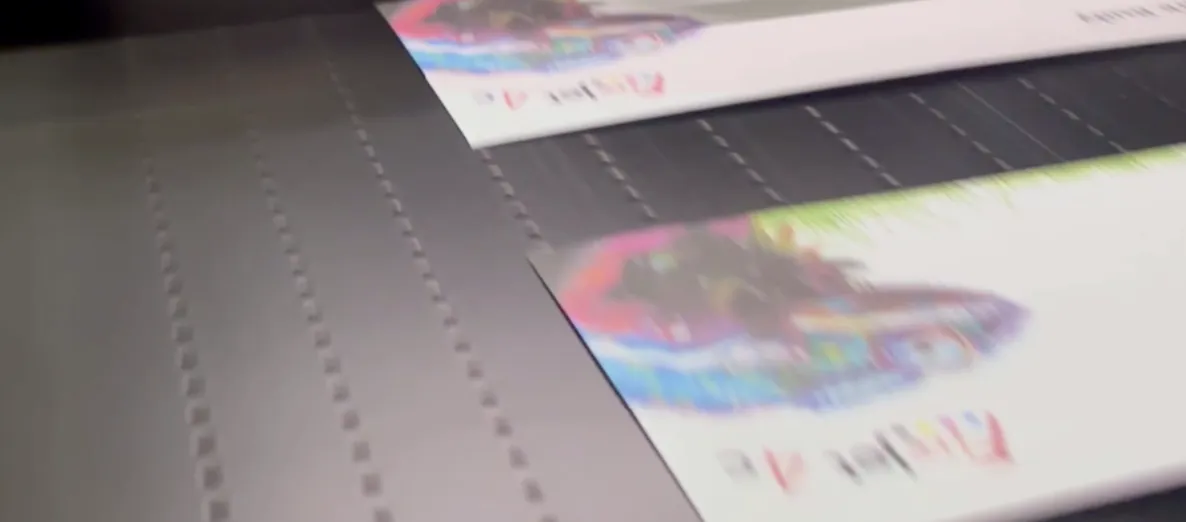
In today’s competitive manufacturing environment, businesses need equipment that delivers precision, speed, and flexibility. A flatbed cutting machine has become an essential solution for industries that process paperboard, corrugated board, foam, plastics, textiles, leather, rubber, and other sheet materials. Whether producing packaging, signage, promotional displays, or industrial components, these machines help manufacturers achieve clean cuts with minimal waste and consistent quality.
What Is a Flatbed Cutting Machine?
A flatbed cutting machine is a computer-controlled cutting system that processes materials placed on a flat worktable. Using advanced cutting tools, cameras, and software, it accurately follows digital designs to create custom shapes, prototypes, and production-ready parts.
Unlike manual cutting methods, flatbed cutters improve efficiency by reducing setup time while delivering repeatable, high-quality results across large production runs.
Key Features of Flatbed Cutting Machines
Modern flatbed cutting systems include a wide range of features designed to improve productivity:
- High-speed digital cutting
- Automatic tool changing
- Multi-tool compatibility
- Precision camera registration
- Vacuum worktables for material stability
- CAD and design software integration
- Minimal material waste
- Accurate contour and kiss cutting
- Easy operation for short and long production runs
These capabilities make flatbed cutting machines suitable for both prototype development and full-scale manufacturing.
Industries That Use Flatbed Cutting Machines
Flatbed cutting technology supports numerous industries, including:
Packaging Manufacturing
Packaging companies use flatbed cutters to create:
- Folding cartons
- Corrugated boxes
- Retail packaging
- Luxury packaging
- Custom inserts
- Point-of-sale displays
The ability to quickly switch between designs makes them ideal for short-run packaging and customized orders.
Sign and Display Production
Sign manufacturers rely on flatbed cutting machines to produce:
- Foam board displays
- PVC signs
- Acrylic panels
- Promotional displays
- Exhibition graphics
- Window displays
Precision cutting ensures clean edges and professional finishes.
Textile and Apparel Industry
Fabric manufacturers use flatbed cutting equipment for:
- Pattern cutting
- Technical textiles
- Upholstery materials
- Leather goods
- Sports equipment
- Fashion accessories
Digital cutting improves accuracy while reducing fabric waste.
Automotive Manufacturing
Automotive suppliers utilize flatbed cutters for:
- Interior components
- Gaskets
- Foam insulation
- Rubber parts
- Composite materials
- Soundproofing materials
Consistent cutting quality is critical for meeting strict manufacturing standards.
Materials That Can Be Cut
One of the biggest advantages of flatbed cutting machines is their versatility. Depending on the tooling, they can process:
- Corrugated board
- Cardboard
- Paperboard
- Foam
- PVC
- Vinyl
- Leather
- Rubber
- Fabric
- Composite materials
- Acrylic sheets
- Plastic films
- Gasket materials
- Honeycomb board
This flexibility allows manufacturers to expand their production capabilities without investing in multiple specialized machines.
Benefits of Using a Flatbed Cutting Machine
Exceptional Accuracy
Digital control systems ensure precise cutting with minimal variation, even for complex designs and intricate shapes.
Faster Production
Automated workflows significantly reduce manual labor, allowing businesses to complete more jobs in less time.
Reduced Material Waste
Optimized nesting software maximizes material usage, lowering production costs and improving sustainability.
Easy Design Changes
Because cutting paths are controlled digitally, manufacturers can quickly update designs without producing new tooling.
Improved Product Quality
Consistent cutting quality helps reduce defects and ensures every finished product meets customer expectations.
Cost-Effective Short Runs
Flatbed cutting machines are ideal for prototypes, customized packaging, and small production batches where traditional die-making may not be economical.
Choosing the Right Flatbed Cutting Machine
When selecting a flatbed cutting machine, manufacturers should consider:
- Maximum cutting area
- Material compatibility
- Cutting speed
- Tool options
- Software integration
- Automation capabilities
- Production volume
- Maintenance requirements
- Technical support
- Future scalability
Choosing equipment that matches current production needs while allowing room for future growth provides the best long-term value.
Digital Cutting vs Traditional Die Cutting
Traditional die cutting remains efficient for extremely high-volume production, but digital flatbed cutting offers greater flexibility.
Digital cutting eliminates the need for physical dies, making it ideal for:
- Custom packaging
- Frequent design updates
- Prototyping
- Personalized products
- Small and medium production runs
- Rapid product development
Many manufacturers use both technologies together to optimize production efficiency.
Improving Manufacturing Efficiency
Integrating a flatbed cutting machine into the production process offers several operational advantages:
- Shorter lead times
- Faster product launches
- Better workflow automation
- Improved inventory management
- Lower labor costs
- Increased production flexibility
- Higher customer satisfaction
These improvements help businesses remain competitive in markets where speed and customization are increasingly important.
The Future of Flatbed Cutting Technology
Advancements in automation, artificial intelligence, and digital manufacturing continue to enhance flatbed cutting systems. Future innovations are expected to include smarter workflow optimization, predictive maintenance, increased automation, and improved integration with Industry 4.0 manufacturing environments.
As demand for customized products and shorter production cycles continues to grow, flatbed cutting machines will remain a valuable investment for manufacturers seeking greater efficiency, precision, and flexibility.
Conclusion
A flatbed cutting machine is a powerful solution for businesses that require accurate, efficient, and versatile material processing. From packaging and signage to textiles and industrial manufacturing, these machines support high-quality production while reducing waste and improving operational efficiency. By investing in advanced digital cutting technology, manufacturers can streamline workflows, respond quickly to changing customer demands, and maintain a competitive edge in today's fast-paced production landscape.


Sign in to leave a comment.