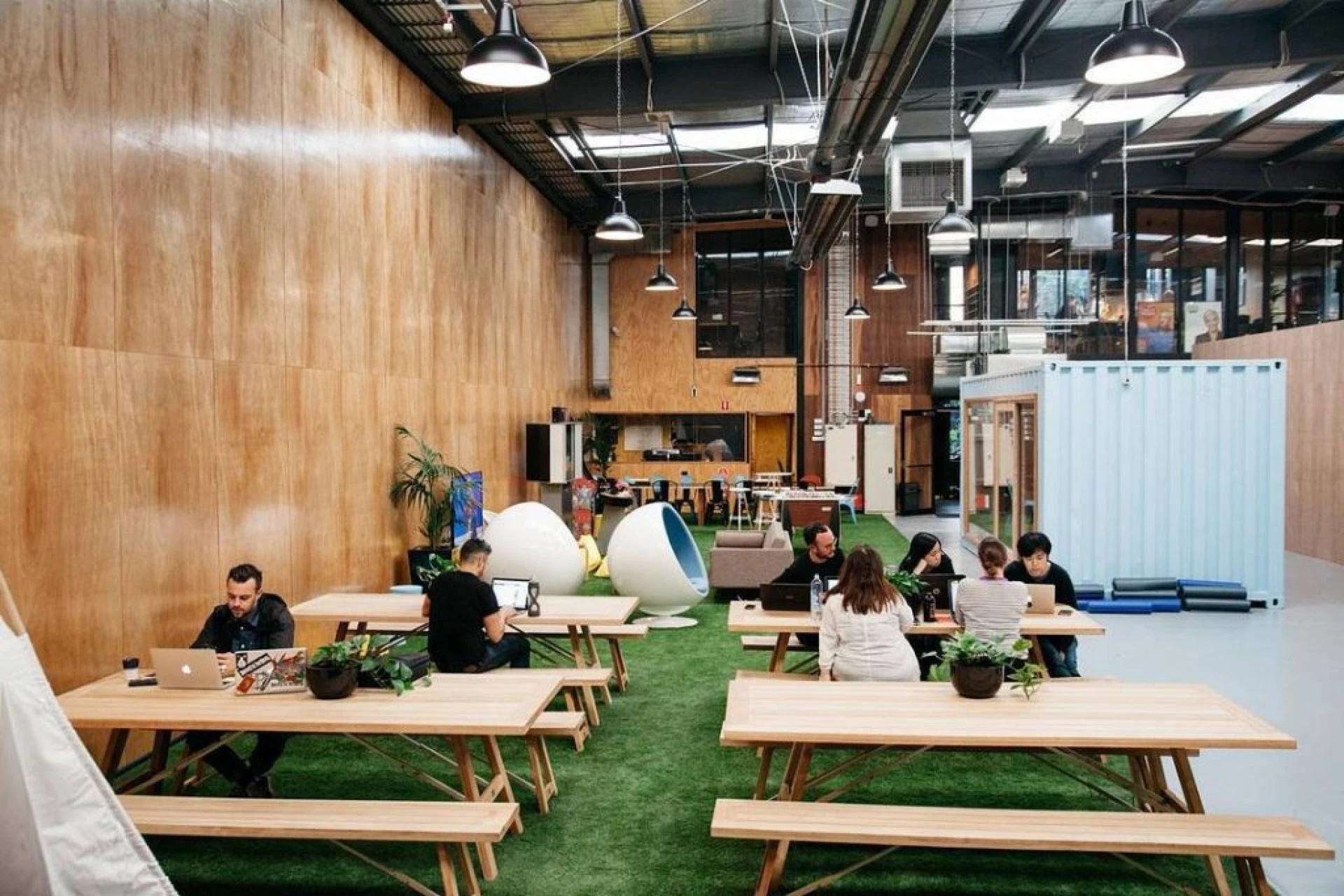

Flexible office space, also known as coworking space or shared office space, has become a popular part of workplace strategy for businesses of all sizes. With the rise of remote work and the need for more flexible working arrangements, companies are turning to these spaces as a way to provide employees with a flexible and collaborative work environment.
Flexible office spaces come in many different shapes and sizes, from small, informal shared workspaces to large, professionally managed coworking spaces that offer a wide range of amenities and services. Regardless of the type of space, flexible offices can provide businesses with a number of benefits that can help them achieve their workplace goals.
One of the key benefits of flexible office space is the ability to scale up or down as needed. With traditional office space, companies often need to sign long-term leases that commit them to a specific amount of space for a set period of time. This can be a costly and inflexible arrangement, especially if the company's needs change over time. With flexible office space, businesses can rent only the amount of space they need, for as long as they need it, allowing them to quickly and easily scale up or down as their needs change.
In addition to the flexibility of space, flexible offices also provide businesses with access to a wide range of amenities and services that might not be available in a traditional office setting. Many coworking spaces offer shared conference rooms, kitchen areas, and lounge spaces, as well as access to high-speed internet, printing and copying services, and other business essentials. This can be particularly valuable for small businesses or startups that may not have the resources to invest in these types of amenities themselves.
Another key benefit of flexible office space is the opportunity for collaboration and networking. With traditional office space, employees may be limited to interacting only with their colleagues within their own company. In a flexible office space, however, businesses have the opportunity to work alongside other companies and individuals, providing opportunities for networking and collaboration. This can be particularly valuable for startups or small businesses that are looking to expand their network and build relationships with other businesses in their industry.
Flexible office space can also be a cost-effective option for businesses. While traditional office space often requires a significant upfront investment in terms of rent, utilities, and other expenses, flexible offices offer a more affordable option, with the ability to rent only the space and amenities that are needed. This can be particularly valuable for startups or small businesses that are looking to keep their overhead costs low while still providing their employees with a professional and collaborative work environment.
In addition to the benefits for businesses, flexible office space can also be a valuable option for employees. With the rise of remote work, many employees are looking for more flexible working arrangements that allow them to work from home or from a shared office space. Flexible office space can provide employees with a professional and collaborative work environment that is more engaging than working from home, while still providing the flexibility and autonomy that they value.
Overall, flexible office space is a powerful part of workplace strategy that can provide businesses with the flexibility, collaboration, and cost-effectiveness they need to succeed in today's fast-paced business environment. Whether it's a small, informal shared workspace or a large, professionally managed coworking space, there is a flexible office space solution that can meet the unique needs of any business or employee.
As the workplace continues to evolve, it's important for businesses to consider the benefits of flexible office space as a way to stay competitive and meet the changing needs of their employees. By providing a flexible and collaborative work environment, businesses can attract and retain top talent, build strong relationships with other businesses, and create a dynamic and engaged workplace culture that is primed for success.










Sign in to leave a comment.