
The realm of drones is a relatively new phenomenon. It was only Less than 20 years ago we first saw the first drones non-military or created by amateurs (hobbyists). The most well-known drone type has multi-rotors that are commonly used to watch or observe in the skies. The flight controller is one of the most important components of the latest drone.
Since the beginning of my R.C. hobby, I have grabbed every opportunity to learn about flight controller devices. In this article, I will provide a basic introduction to flight controllers to discuss drones and flight control in a way everyone can understand because drones can become extremely technical. However, they are simple in the case of a deeper look at this.
First of First, What is a Flight controller? & why it is so important to a drone?
In physical terms, a flight controller is a circuit board equipped with electronic chips. It is possible to think of them as the processor and motherboard in your laptop. A flight controller is the Brain of the drone. In simple, Flight Controller is small-sized box stuffed with advanced electronics and software that monitors and regulates everything that the drone performs. Like the brains of various species, flight controllers also differ in dimensions, Sizes & specifications.
So now, What does a flight controller Do for a drone?
Perception (sensing)
The flight controller is connected to an array of sensors. These sensors provide the flight controller information such things as height, orientation and speed. The most common sensors are the Inertial Measurement Unit (IMU), which determines the speed and angular velocity, and a barometer to measure the height And distance sensors to detect obstacles. Like how we perceive ourselves as humans, drones filter lots of the information it receives and blends some of it to create more accurate and precise information. Modern flight controllers can detect more accurately and recognize differences faster.
Intercommunicating
The most important aspect of the flight controller is communication. A portion of the sensor's job is to send out information that must be translated so that a pilot can comprehend it effectively. One obvious way to communicate is the battery level which can determine whether a pilot would like to fly for longer or return to its charge.
However, communication extends beyond between the flight controller and the human pilot. With the introduction of auto-pilot software in the drone sector, flight controllers have to talk with computer systems regarding the destination of their flight and the best way to reach it. Communication is mostly handled via radio frequency and Wi-Fi moment, but cellular options are also in use.
Controlling
In addition to detecting what's happening, the flight controller is the only thing that regulates the drone's movement. The drone can move and accelerate by creating a difference in speed between each of its four motors. The flight controller utilizes the information collected by sensors to determine the ideal speed for each of the four motors. The flight controller transmits the desired speed to Electronic Speed Controllers (ESCs), which convert this speed's desired value into a signal that motors can understand.
An algorithm performs the movement by fusing and filtering sensory data and assessing the flight's durability and safety. A fancy term frequently used in the present is an established set of rigid rules each chip in the board must adhere to. The most widely employed flight control algorithm is PID control, which stands for Proportional Intuitive Derivative Control. In this area, there is plenty of research being conducted that led to INDI: Incremental Nonlinear Dynamic Inversion. The algorithm can read out and respond to incoming information faster, making the drone's flying more secure.
Types of flight controllers that are out there?
There are many various flight controllers available on the market. They vary from basic to high-end models. To make this easier to understand, I created four categories based on the customers.
FC's (designed for builders/hobbyists) -Easy to set up and ideal for those who wish to have an Affordable to shell out large sums of money.Racing FC's designed to be light, precise and flexible. A majority of these are in the range of ₹5000 or less.FC's for filming Though they are usually bought with an aircraft that comes with a camera, These flight controllers are focused on creating fluid shots and simple for pilots. Within this category, Chinese company Da-Jiang Innovations (better known by its acronym DJI) is a household brand.Commercial FC's The most recent segment has been evolving in the past few years. They are designed to be top-of-line drones equipped for safely flying and transporting valuable cargo. The top gamers in this area are DJI as well as Pixhawk.From this my personal favourite is DJI & Pixhawk
DJI: The DJI NAZA-M lite come with GPS kit, it provides accurate positioning information. ALSO it has Intelligent orientation Control (IOC) which means one can control the drone based on drones orientation rather tah transmitters orientation, which makes it easier to fly.
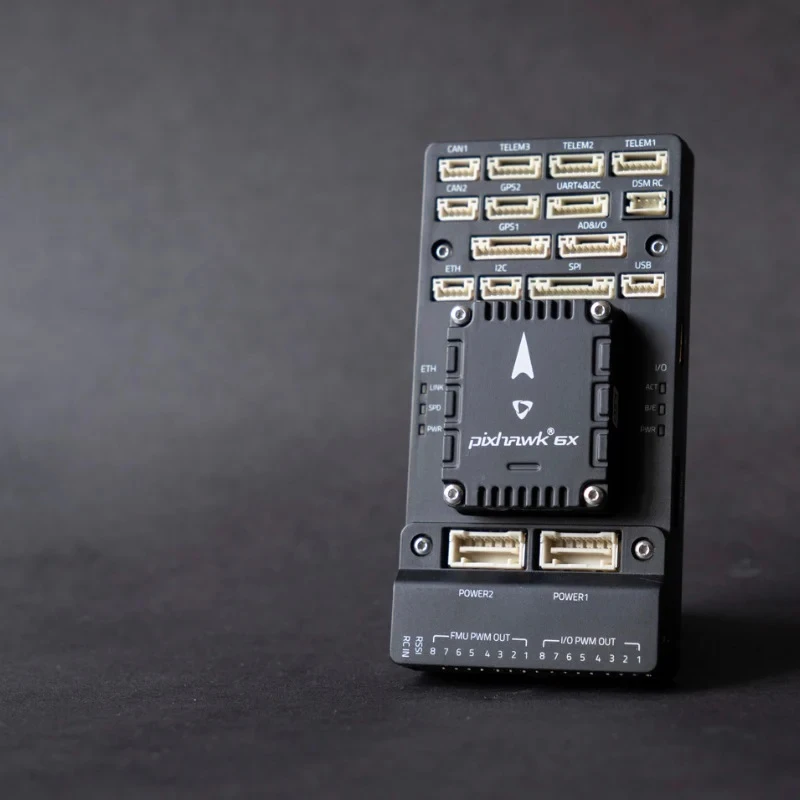
Pixhawk: It has Advanced flight control features which has 32-bit processor, also it has multiple flight modes, onboard sensors, also there are other features That helps us to have Smooth flight.
Conclusion:
So that is all you need to know about the basics of Flight controller, but don't stop here, the world is full of changing environment try to learn more in depth, who knows you might finding you new passion!!.









Sign in to leave a comment.