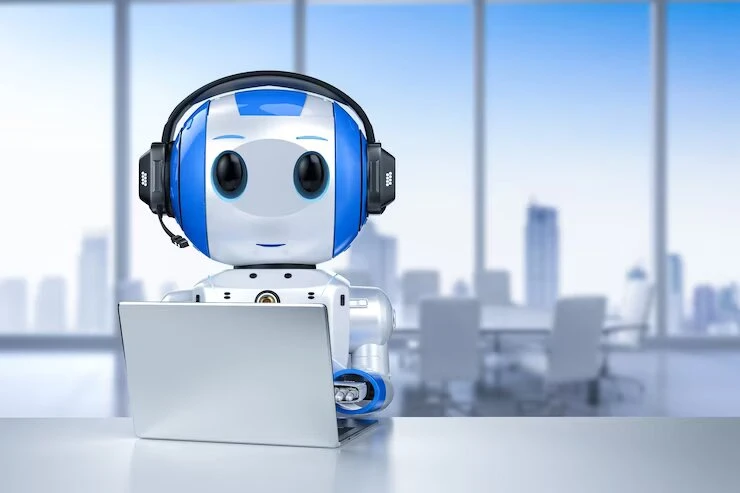

WeChat, the popular multi-purpose messaging, social media, and mobile payment app developed by Tencent, has revolutionised the way people communicate and interact in China and beyond. At the heart of this innovative platform lies the WeChat bot, an intelligent conversational agent designed to automate various tasks and provide personalised experiences for users. A WeChat Bot is essentially a computer program that simulates human conversation through text or voice interactions.
Its purpose is to facilitate seamless communication between businesses, organisations, or individuals and their target audience on the WeChat platform. The main objectives of deploying a WeChat bots can vary depending on the specific use case.
Some common purposes include providing information, solving customer queries, offering product recommendations, facilitating transactions, delivering news updates, or even engaging users with entertaining conversations. By leveraging artificial intelligence (AI) technologies such as natural language processing (NLP), machine learning (ML), and decision-making algorithms, WeChat chatbot aim to understand user inputs in real-time and deliver appropriate responses or actions.
Overview of WeChat's popularity and user base
WeChat-bot boasts an enormous user base with over 1 billion monthly active users globally as of 2021. In its home country China alone, it has become an indispensable everyday tool for most individuals as well as businesses.
Initially launched in 2011 as a simple messaging app similar to WhatsApp or Facebook Messenger, it quickly evolved into a comprehensive platform that integrates multiple functionalities such as social networking features like Moments (a timeline feed), mobile payments through WeChat Pay, utility services like ride-hailing or food delivery integration via Mini Programs (lightweight apps within the app), e-commerce capabilities with its "Shopping" section called "Channels," and much more. The popularity of WeChat can be attributed to its seamless user experience, versatility, and widespread adoption across various age groups and industries.
Users can connect with friends, share moments, make voice or video calls, play games, shop online, hail a cab, book movie tickets, transfer money to friends and family seamlessly within the app. The all-in-one nature of WeChat has made it an essential part of daily life for many Chinese users.
This massive user base presents a significant opportunity for businesses and organisations to reach out to potential customers or engage with existing ones by leveraging the power of WeChat Bots. Overall, understanding the definition and purpose of WeChat Bots along with recognizing the immense popularity and diverse user base of WeChat sets the stage for exploring how businesses can effectively utilize this technology to enhance customer experiences and streamline operations.
Understanding the Functionality of a WeChat Bot
How a WeChat Bot interacts with users
A WeChat bot serves as an automated conversational agent that interacts with users through text-based messages. It uses Natural Language Processing (NLP) algorithms to understand user queries and provide appropriate responses.
WeChat bots can be accessed through official accounts on the platform, enabling seamless communication between businesses and their customers. Users simply send messages to the bot, which then interprets their input and generates relevant replies.
WeChat bots employ various interaction patterns to engage users effectively. They can initiate conversations by sending welcome messages or prompt users with specific questions to gather information for customized experiences.
Additionally, bots can handle multi-turn conversations by remembering previous interactions and contextual information. This allows for smooth flow in conversation, making the user feel heard and understood.
Key features and capabilities of a WeChat Bot
WeChat bots are equipped with a wide range of features and capabilities that enhance their functionality: 1. Text processing: A wechat bot can comprehend natural language inputs, process them using NLP algorithms, and generate appropriate responses within seconds. This enables efficient communication while maintaining conversational flow.
Rich media support: WeChat bots allow integration of various media formats such as images, videos, audio clips, or documents within chat conversations. This feature enables businesses to provide visual explanations or share additional resources directly through the bot interface. Customization options: To cater to diverse audiences, WeChat bots offer customization options that allow businesses to personalize the user experience based on preferences or demographics. This includes features such as language selection, content filtering based on interests, or even tailored product recommendations. Integration with external services/apis: Wechat bots can integrate seamlessly with external services or APIs to access real-time data sources such as weather forecasts or live news updates directly within the chat interface. This expands the bot's capabilities and enhances user engagement.Overall, WeChat bots offer a sophisticated and interactive communication channel that facilitates efficient interactions with users. Their ability to understand natural language inputs and provide relevant responses, combined with rich media support and customization options, enables businesses to deliver personalized experiences while catering to a wide range of user needs.
Benefits and Advantages of Using a WeChat Bot
Enhanced Customer Service Experience through Automation
In the era of instant communication, customer service plays a pivotal role in ensuring customer satisfaction. WeChat bots have emerged as a game-changer in this domain, revolutionizing the way businesses interact with their customers.
By leveraging automation, WeChat bots can instantly address customer queries and provide real-time assistance. This not only reduces response time but also ensures consistent service quality round the clock.
Furthermore, the automation aspect of WeChat bots allows businesses to handle multiple customer inquiries simultaneously. Unlike human agents who might experience limitations in managing numerous conversations simultaneously, a well-designed WeChat bot can efficiently handle an unlimited number of interactions without compromising on efficiency or accuracy.
Efficient Handling of Repetitive Tasks and Inquiries
Repetitive tasks and inquiries are an inevitable part of any business's daily operations. However, dedicating valuable human resources to handle these routine tasks can be both costly and inefficient. Enter the WeChat bot – an intelligent virtual assistant capable of automating mundane tasks and providing prompt responses to frequently asked questions.
By integrating targeted algorithms and predefined responses, WeChat bots excel at processing repetitive inquiries swiftly while maintaining accuracy. Whether it's providing general information about products or services, sharing contact details, or offering basic troubleshooting guidance – a well-programmed WeChat bot serves as an invaluable asset in streamlining business operations.
Personalization and Customization Options for Users
One might assume that automation lacks personalization; however, this is far from true when it comes to advanced WeChat bots. These sophisticated chatbots have evolved beyond generic replies by incorporating machine learning techniques that enable them to learn from user interactions over time. WeChat bots can now offer personalized recommendations tailored specifically to individual users' preferences based on their chat history or previous purchases.
By analyzing user behavior, these bots can intelligently suggest relevant products, services, or content, enhancing the overall user experience. Moreover, users can customize their interactions with WeChat bots by setting preferences such as language preferences or notification settings – providing a more personalized and engaging experience.
WeChat bots offer numerous benefits and advantages to businesses in various industries. These intelligent virtual assistants enhance the customer service experience by providing instant support and effectively handling repetitive tasks and inquiries.
Additionally, the personalization and customization options available with WeChat bots further elevate user satisfaction and engagement. As technology continues to evolve, it is evident that WeChat bot integration can significantly impact businesses' efficiency while ensuring a seamless customer experience.
Exploring Different Types of WeChat Bots
Informational Bots: Providing News, Weather Updates, etc.
One of the most common types of WeChat bots is the informational bot, which serves as a valuable source for news and updates. These bots are designed to provide users with real-time information on various topics such as current affairs, sports scores, weather forecasts, and more. By leveraging APIs and integrating with reliable data sources, these bots can deliver accurate and up-to-date information to users directly within their WeChat conversations.
For example, a news bot could aggregate news articles from reputable sources and present summaries or snippets to users based on their interests. Users can then choose to read more or save articles for later.
Similarly, a weather bot can offer localized forecasts based on the user's location or a specified area. This type of WeChat bot not only keeps users informed but also enhances their overall experience by providing timely and relevant information at their fingertips.
E-commerce Bots: Assisting with Product Recommendations, Purchases, etc.
E-commerce bots have become increasingly popular on WeChat due to the platform's massive user base and its integration with online shopping functionalities. These bots serve as virtual shopping assistants that help users discover products, provide recommendations based on preferences or browsing history, assist in making purchases directly within the chat interface.
By leveraging artificial intelligence (AI) algorithms and machine learning models, these bots can analyze user behavior patterns and preferences to offer personalized product suggestions. For instance, if a user expresses interest in fashion by interacting with fashion-related content or clicking on specific items in an e-commerce bot's catalog, the bot can then curate recommendations tailored to the user's style preferences.
Additionally, e-commerce bots often support transactional capabilities through secure payment gateways integrated into the WeChat ecosystem. This allows users to complete purchases seamlessly without leaving the chat interface, providing a convenient and streamlined shopping experience.
Customer Support Bots: Addressing User Queries and Complaints
Customer support bots have gained significant traction on WeChat as they offer an efficient means of addressing user queries and complaints in a timely manner. These bots are designed to handle common inquiries, provide basic troubleshooting assistance, and guide users through self-help resources. For example, if a user encounters an issue with a product or service, they can reach out to the customer support bot within their WeChat conversation.
The bot can then ask relevant questions to understand the problem better and provide step-by-step instructions or solutions based on predefined knowledge bases. In cases where complex issues arise that require human intervention, these bots can seamlessly escalate the conversation to a live agent for further assistance.
By leveraging natural language processing (NLP) capabilities, customer support bots aim to mimic human-like interactions while efficiently resolving user queries. This ensures that users receive prompt responses and assistance around the clock, contributing to improved customer satisfaction levels.
Overall, WeChat offers a wide range of possibilities for different types of bots catering to various needs such as information dissemination, e-commerce experiences, and customer support solutions. Leveraging the platform's extensive features and integration capabilities allows businesses to create highly functional WeChat bots that enhance user experiences across multiple domains.
Challenges in Developing and Maintaining a Successful WeChat Bot
Ensuring accuracy in natural language processing (NLP)
Developing a WeChat bot that can effectively understand and respond to user queries requires robust natural language processing (NLP) capabilities. NLP is the underlying technology that enables machines to comprehend and interpret human language. However, ensuring accuracy in NLP can be a significant challenge for developers of WeChat bots.
One common hurdle is the ambiguity inherent in human language. Different users may use varying sentence structures, vocabulary, or even regional dialects, making it difficult for the bot to accurately grasp the intended meaning.
Additionally, homonyms or words with multiple meanings can further complicate the process. Overcoming these challenges involves training the bot with comprehensive datasets and employing advanced algorithms that can handle semantic analysis, contextual understanding, and disambiguation techniques.
Handling complex user queries or requests
WeChat bots often encounter user queries or requests that go beyond simple information retrieval tasks. Users may seek specific advice, require assistance with complex transactions, or have unique situational inquiries.
Therefore, developing a WeChat bot capable of handling such complexity poses another challenge for developers. To address this challenge effectively, developers must design conversational flows that anticipate various scenarios and provide accurate responses.
This requires careful analysis of potential user inputs as well as implementing advanced algorithms capable of understanding context and intent within users' messages. Additionally, continuous monitoring and refinement of the bot's performance based on real-world interactions are crucial to ensure its ability to handle intricate user queries successfully.
Adapting to evolving user expectations
User expectations are dynamic; they change over time as individuals become more accustomed to interacting with intelligent virtual agents like WeChat bots. This presents an ongoing challenge for developers who must stay abreast of evolving trends and adapt their bots accordingly. To remain relevant and meet user expectations, developers need to stay updated with the latest developments in conversational AI and integrate new features and functionalities into their WeChat bots.
This might include incorporating machine learning techniques, deep learning models, or integrating with external APIs to provide users with personalized experiences. Additionally, gathering feedback from users and continuously refining the bot's performance ensures that it aligns with evolving user needs and preferences.
Developing and maintaining a successful WeChat bot comes with its fair share of challenges. Ensuring accuracy in natural language processing, handling complex user queries or requests, and adapting to evolving user expectations are pivotal areas for focus.
Overcoming these challenges requires robust NLP capabilities, thoughtful conversational design, ongoing monitoring, and regular updates to keep pace with ever-changing user requirements. By addressing these challenges effectively, developers can create compelling WeChat bots that provide exceptional user experiences on this popular messaging platform.









Sign in to leave a comment.