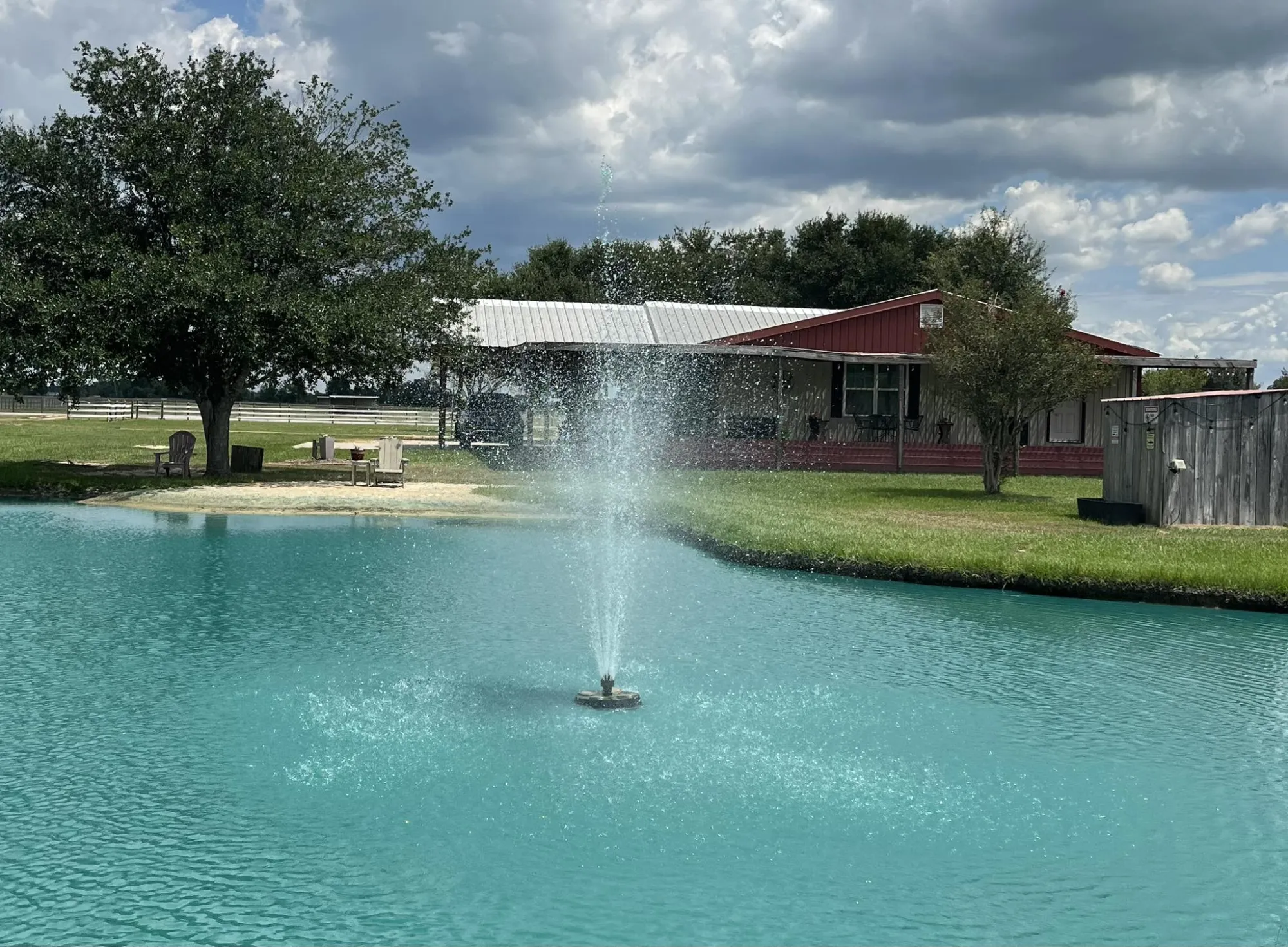

A well-designed pond adds beauty and character to any outdoor space, but still water can gradually develop issues such as algae growth, unpleasant odors, and poor circulation. Installing floating pond fountains is one of the most effective ways to improve both the appearance and functionality of a pond. These fountains create eye-catching water displays while promoting water movement and surface aeration, making them a popular choice for residential, commercial, and public landscapes.
Whether you're enhancing a backyard pond or managing a larger decorative water feature, choosing the right floating pond fountains requires understanding how they work, what features matter most, and how to select the right size for your pond.
What Are Floating Pond Fountains?
Floating pond fountains are self-contained water features that rest on the surface of a pond. Using a submerged pump, they draw water from below the surface and spray it upward through decorative nozzles, creating attractive patterns while circulating water. Unlike fixed fountains, floating models automatically adjust to changing water levels, making them suitable for ponds with fluctuating depths.
These fountains are commonly installed in:
- Residential garden ponds
- Community lakes
- Golf course ponds
- Parks and recreational areas
- Commercial landscapes
- Hotels and resorts
Benefits of Floating Pond Fountains
Improve Water Circulation
One of the biggest advantages of floating pond fountains is continuous water movement. Water circulation helps reduce stagnant areas where algae, odors, and debris can accumulate. Surface movement also encourages oxygen exchange between the air and water, supporting a healthier pond environment.
Enhance Visual Appeal
A decorative fountain instantly becomes the centerpiece of a pond. Whether you prefer a tall geyser spray, a fan-shaped display, or multiple elegant streams, fountain nozzles create visual interest that transforms the landscape throughout the day.
Help Reduce Algae Growth
Although fountains are not a complete algae-control solution, improved circulation makes conditions less favorable for algae to thrive. Combined with proper pond maintenance, water movement can contribute to clearer water over time.
Support Aquatic Life
Increased surface aeration provides additional dissolved oxygen, benefiting fish and beneficial bacteria that help break down organic matter naturally. While deep ponds may also require bottom aeration systems, fountains contribute significantly to surface oxygen exchange.
Features to Consider Before Buying
Not every fountain is suitable for every pond. Consider these factors before making a decision.
Pond Size
The fountain should be matched to the pond's surface area. A fountain that is too small may appear insignificant, while an oversized system may create excessive spray and unnecessary energy consumption.
Horsepower
Horsepower determines the pump's ability to move water and create larger spray patterns. Higher horsepower generally produces taller and wider displays, but the correct size depends on the pond dimensions rather than simply choosing the most powerful option.
Spray Pattern
Different nozzles create different visual effects.
Popular options include:
- Vertical geyser
- Bell pattern
- Fan spray
- Multi-tier display
- Trumpet spray
Many floating pond fountains allow interchangeable nozzles so users can change the appearance without replacing the entire fountain.
Lighting Options
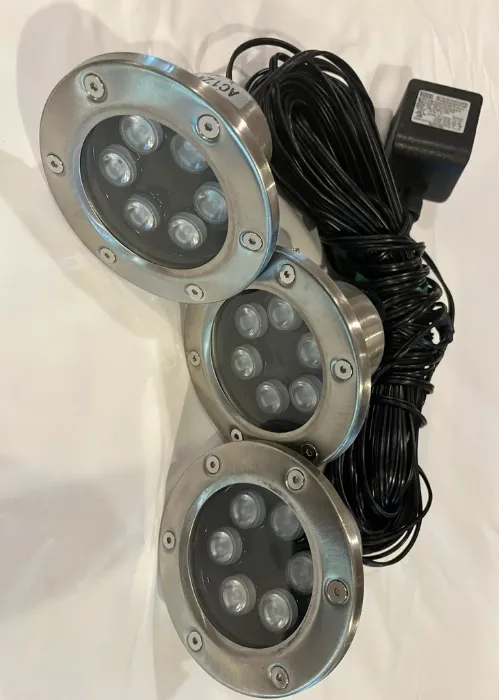
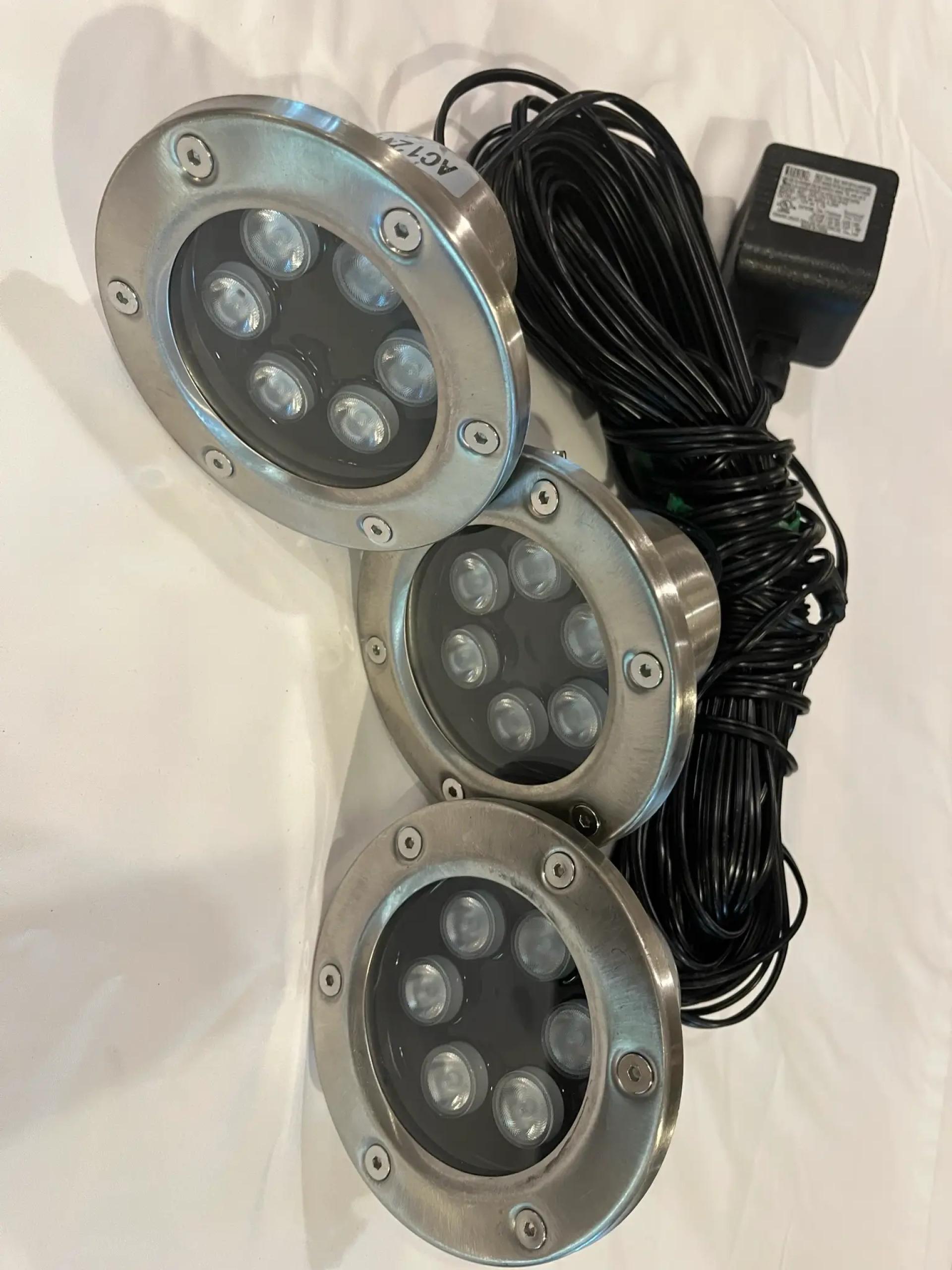
Many fountain systems can be paired with underwater or floating LED lights, allowing the water display to remain a focal point after sunset. White lighting offers a classic appearance, while color-changing LEDs create displays suitable for holidays and special events.
Installation Considerations
Installing floating pond fountains is generally straightforward, but proper placement is important.
The fountain should be positioned where:
- Water can circulate freely.
- The spray remains inside the pond during windy conditions.
- Electrical connections are safely protected.
- The fountain can be easily accessed for maintenance.
Anchoring lines keep the fountain in position while allowing it to move naturally with changing water levels.
For larger commercial ponds, professional installation may be beneficial to ensure proper electrical connections and optimal placement.
Maintenance Tips
Routine maintenance helps maximize the lifespan and performance of a floating fountain.
Simple maintenance tasks include:
- Cleaning intake screens regularly
- Removing algae and debris from the pump
- Inspecting power cables
- Checking anchor lines
- Cleaning optional lighting fixtures
- Inspecting nozzles for mineral buildup
Seasonal maintenance is especially important in colder climates where freezing temperatures may require temporary removal and storage of the fountain.
Common Mistakes to Avoid
Many pond owners make avoidable mistakes when selecting a fountain.
These include:
- Choosing a fountain based only on appearance
- Ignoring pond dimensions
- Selecting incorrect horsepower
- Overlooking electrical requirements
- Neglecting routine maintenance
- Assuming a fountain alone will solve all water quality issues
Understanding the purpose of the fountain helps ensure realistic expectations and better long-term performance.
Is a Floating Pond Fountain Worth It?
For most decorative ponds, floating pond fountains offer an excellent combination of beauty and functionality. They improve the appearance of outdoor spaces while supporting better surface circulation and oxygen exchange. Although deeper ponds with significant water quality concerns may also benefit from dedicated bottom aeration, floating fountains remain one of the most popular choices for enhancing decorative ponds because they combine attractive water displays with practical water movement.
Conclusion
Choosing the right floating pond fountains involves considering pond size, spray pattern, horsepower, lighting options, installation requirements, and ongoing maintenance. A properly selected fountain can become the visual centerpiece of a pond while helping maintain healthier water conditions through continuous circulation and surface aeration. When selecting floating fountains for ponds, focus on choosing a system that matches your pond's dimensions and long-term maintenance needs. With the right setup, a floating fountain can provide years of reliable performance while enhancing the beauty and enjoyment of your outdoor space.


























Sign in to leave a comment.