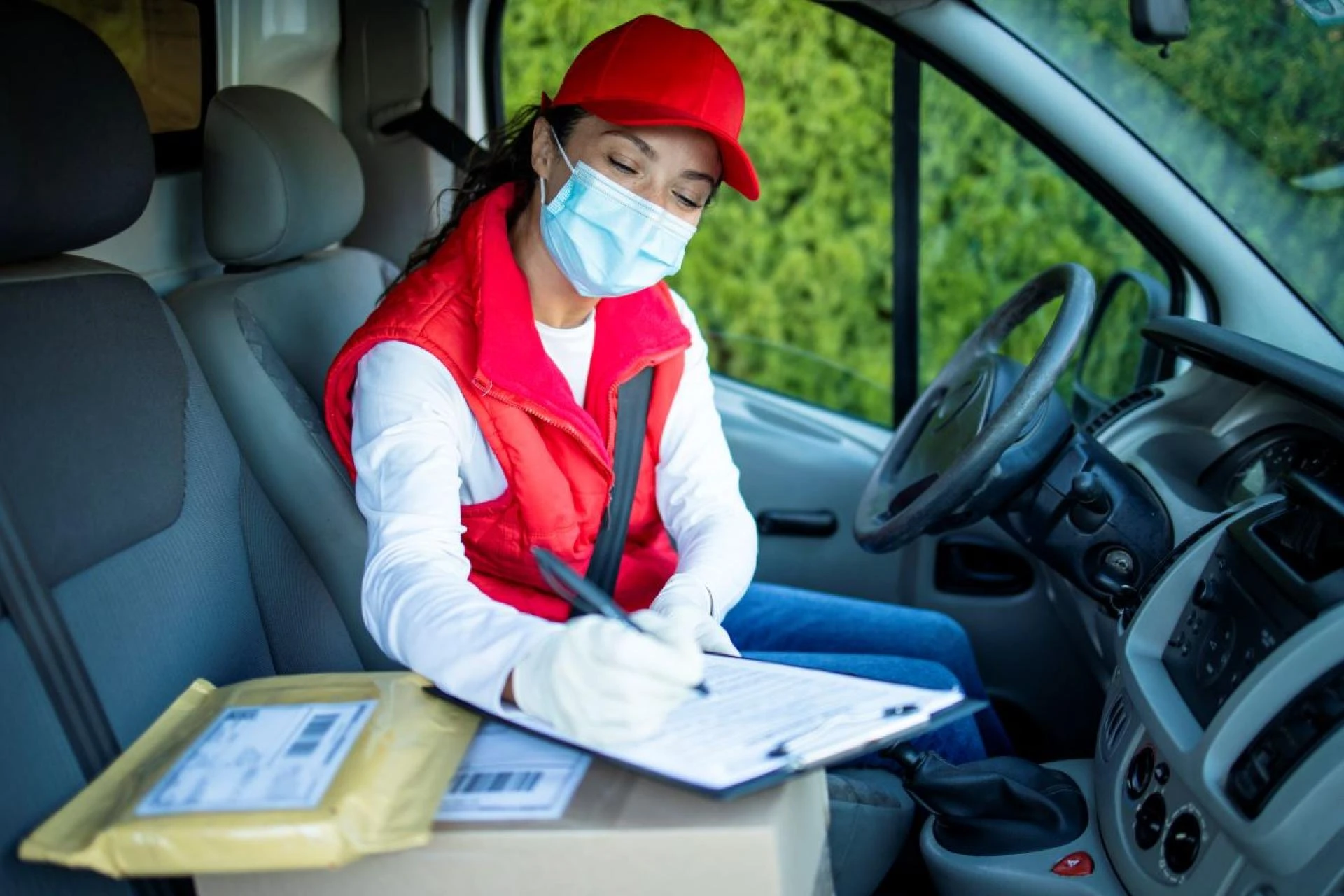

Introduction to CDL Classes in Florida
Are you considering a career on the open road in Florida? Whether you're dreaming of cruising down highways as a truck driver or transporting passengers, obtaining your Commercial Driver’s License (CDL) is the essential first step. With different CDL classes tailored to various driving needs, it can be challenging to determine which path is right for you. The good news is that understanding these classifications doesn’t have to be daunting.
From passenger transport to CDL for Truck Drivers Florida offers comprehensive licensing options. Let’s break down each class and explore what they entail, so you can confidently navigate your journey toward becoming a licensed commercial driver in the Sunshine State.
Class A CDL: For Drivers Operating Combination Vehicles
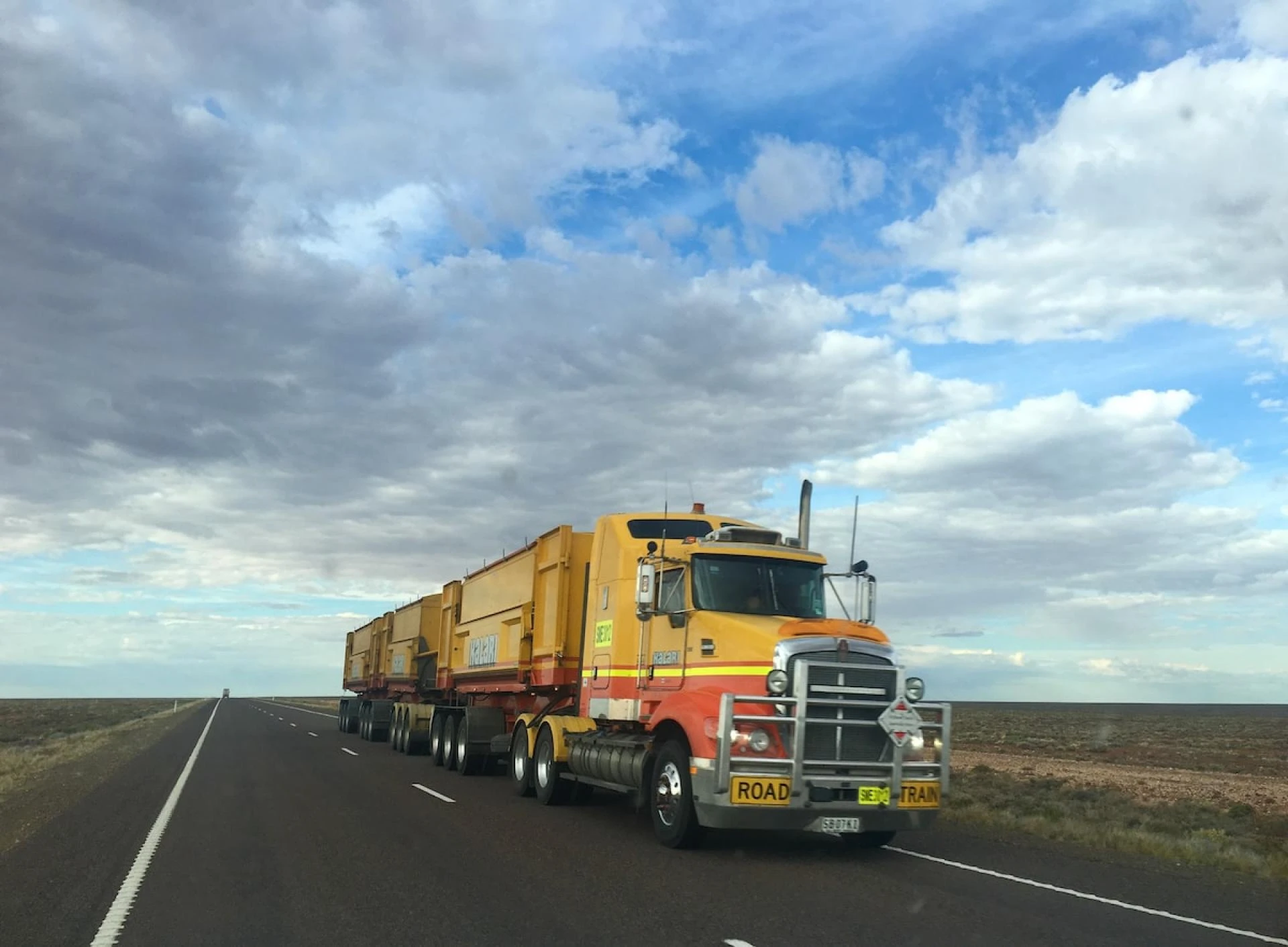
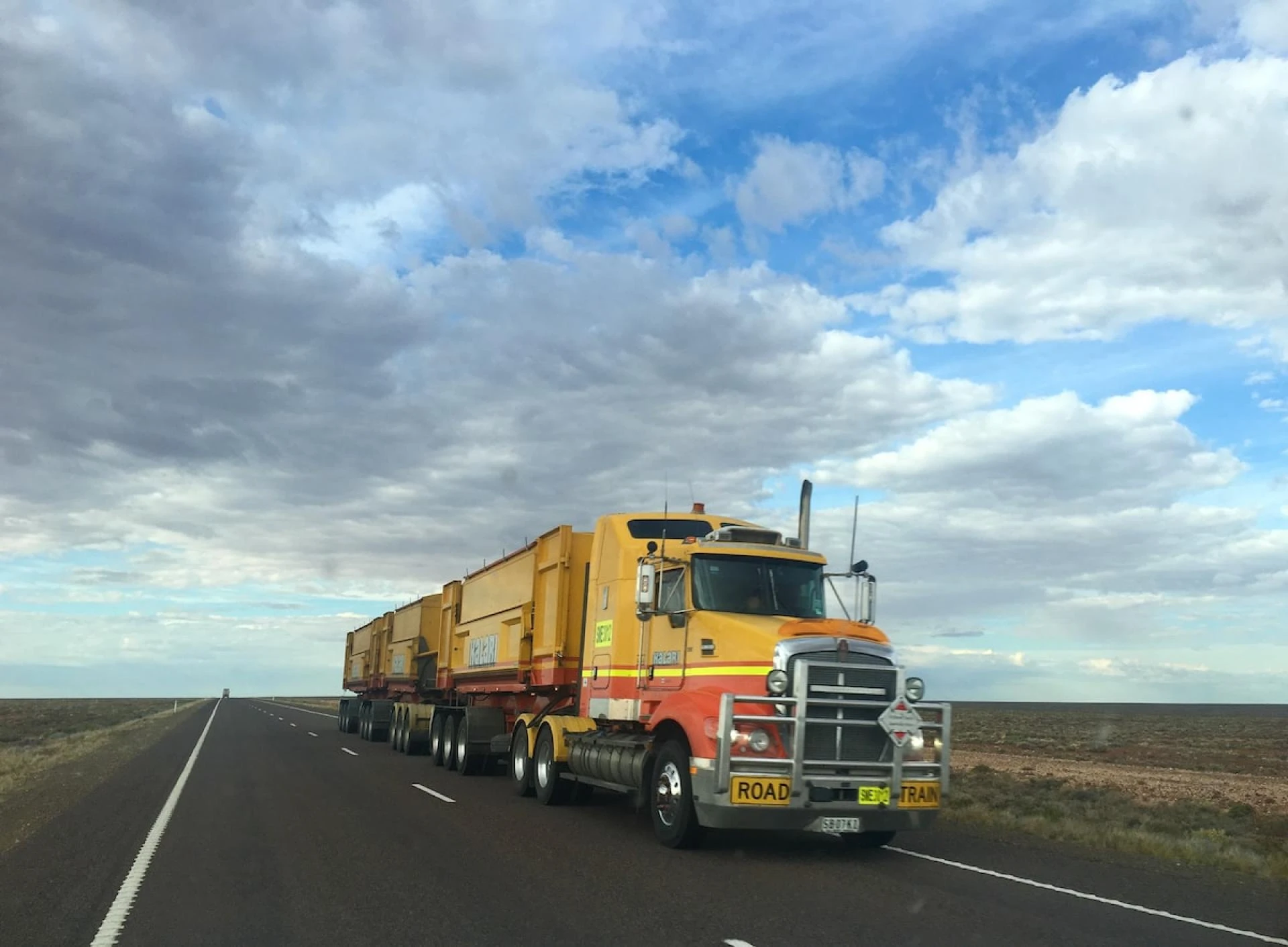
A Class A CDL is essential for drivers who operate combination vehicles. These are typically vehicles with a gross combined weight rating (GCWR) of 26,001 pounds or more. If you're hauling heavy trailers or transporting large cargo, this license is your ticket to the road.
To obtain a Class A CDL, prospective drivers must demonstrate their ability to handle complex maneuvers. This includes backing up and navigating tight spaces while towing trailers. The skills required go beyond basic driving; they demand precision and confidence.
With a Class A CDL, your opportunities expand significantly in the trucking industry. You can work for freight companies or start your own transport business. The versatility of this certification allows you to drive various types of trucks across state lines, making it ideal for those seeking adventure on the open road.
Getting ready for this journey? Make sure you understand what's involved in obtaining your commercial driver certification Florida!
Class B CDL: For Drivers Operating Single Vehicles Weighing Over 26,000 Pounds
Class B CDL is designed for those who drive heavy single vehicles. These vehicles typically weigh over 26,000 pounds. Think of large buses or box trucks; these are common examples.
With a Class B license, drivers can transport goods and passengers safely on the roads. The training focuses on handling larger vehicles and understanding road laws specific to heavier weights.
Obtaining this certification opens up job opportunities in various industries. From delivery services to public transportation, the demand for skilled drivers remains strong.
Before enrolling in classes, check your eligibility requirements. It's crucial to understand what you'll need to pass both written tests and practical driving assessments related to Commercial Driver Certification Florida standards.
A medical examination for CDL Florida must be passed as part of the process too; maintaining good health is key in this profession.
Class C CDL: For Drivers Operating Single or Combination Vehicles Carrying Hazardous Materials or Passengers
Class C CDL is essential for those who transport hazardous materials or passengers. This class covers a variety of vehicles that don’t fall under the larger classifications but still require special handling and skills.
Driving a vehicle carrying hazardous materials comes with stringent regulations. It’s crucial to understand these guidelines to ensure safety on the road and compliance with federal laws. A Class C license also allows you to operate vehicles designed to carry 16 or more passengers, including the driver.
Training focuses on both vehicle operation and safety protocols related to passenger transport or hazardous material handling. You'll learn how to manage emergency situations effectively while ensuring all passengers are safe and secure.
If you're planning on entering this field, remember that obtaining a Medical Examination for CDL Florida is part of your journey. Proper health checks are vital before hitting the road in any commercial capacity.
Requirements for Obtaining a CDL in Florida
To obtain a CDL in Florida, you’ll need to meet several essential requirements. First, be at least 18 years old for intrastate driving and 21 for interstate operations.
A valid Florida driver’s license is mandatory. If your current license has any restrictions or suspensions, you must clear these before proceeding.
Passing a medical examination is crucial as well. This ensures that you're physically fit to handle the demands of commercial driving. Look into transportation medicine providers who specialize in this area.
Next comes the knowledge test, which covers road signs, safe driving practices, and vehicle operation specifics. It’s wise to study thoroughly; many resources are available online.
After passing the tests and fulfilling other prerequisites like background checks, you'll need to complete skills training behind the wheel with an accredited program or school before earning your Commercial Driver Certification in Florida.
Comparing Costs of Different CDL Classes
When considering CDL classes in Florida, costs vary significantly. A Class A CDL typically requires a higher investment due to the complexity of training and vehicle operation involved. Expect to spend anywhere from $3,000 to $7,000 for comprehensive courses that often include behind-the-wheel training.
Class B CDL programs usually fall between $2,500 and $5,000. These programs are less extensive but still require quality instruction and practice time on larger vehicles.
For those pursuing a Class C CDL focused on hazardous materials or passenger transport, costs can range from $1,500 to $4,000. Training here is crucial as it involves specialized knowledge about safety regulations.
Additional expenses may arise from testing fees and medical examinations required for all CDL applicants in Florida. Being prepared financially will help make your journey toward commercial driving smoother.
Matching Your Career Path with the Right CDL
Choosing the right Commercial Driver’s License (CDL) class is a crucial step in building a successful trucking career in Florida. Whether you aim to drive across states or work locally, understanding the license types helps you align your training with your career goals. A Class A CDL is best for operating large combination vehicles such as tractor-trailers, offering the most flexibility and highest earning potential.
If you're interested in driving single vehicles over 26,000 pounds—like box trucks, dump trucks, or city buses—a Class B CDL may be the right fit. For those transporting hazardous materials or passengers, a Class C CDL is designed to meet those needs.
Before you start training, consider what type of driving job you want, the kind of vehicle you’ll be operating, and how each license impacts your job prospects and income. Equally important is completing your DOT medical examiner Florida, a requirement for all CDL applicants in Florida. A certified medical exam confirms you’re fit to safely operate a commercial vehicle.
For efficient, FMCSA-certified CDL physicals, connect with Dr. Auren Weinberg at Transportation Medicine. He offers trusted, same-day DOT exams tailored to commercial drivers’ needs. Schedule your appointment today by calling (727) 648-2402 or emailing [email protected].

























Sign in to leave a comment.