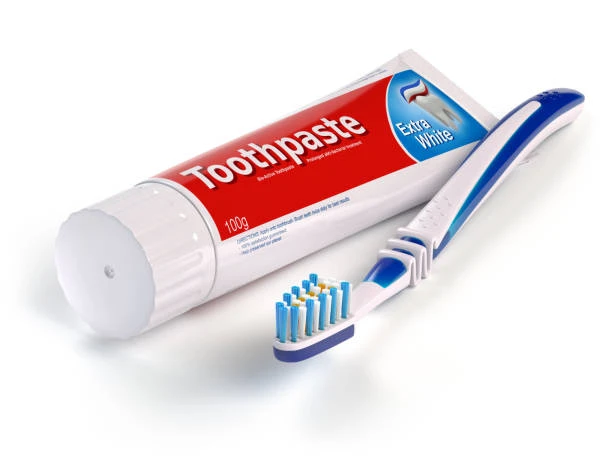

Fluoride Toothpaste: Uses, Benefits, and All You Need to Know
In this fast world we live in, oral hygiene has never been as vital as it is now. Of all the instruments that contribute to oral health, fluoride toothpaste ranks among the most necessary. A naturally occurring mineral that has been utilized in dental products for decades, fluoride is scientifically proven to combat cavities and fortify tooth enamel. But why is fluoride toothpaste so good, and why should it be a regular part of your routine? Let's take a closer look.
What Is Fluoride Toothpaste?
Fluoride toothpaste is a toothpaste that has fluoride as an active ingredient. Fluoride occurs naturally in water, soil, and some foods. In toothpaste, it prevents tooth decay by strengthening the tooth enamel to resist acid attacks from plaque bacteria and sugars in the mouth.
All the over-the-counter toothpastes include either sodium fluoride, stannous fluoride, or sodium monofluorophosphate. Each of these types of fluoride effectively protects the teeth, although they can provide additional advantages such as anti-bacterial properties for stannous fluoride.
How Fluoride Safeguards Your Teeth
Fluoride performs three important functions:
1 Remineralization: It assists in rebuilding the weakened enamel by encouraging the mineral absorption of calcium and phosphate.
2 Resistance against Acid Attacks: It increases tooth resistance to acid that develops as a result of bacteria and sugar.
3 Bacterial Growth Inhibition: It gets in the way of the growth of bacteria with the power of producing acid, reducing the buildup of plaque.
All of these defense procedures work together in preventing cavities and other conditions of the teeth, which makes fluoride an indispensable part of oral care routines.
Advantages of Using Toothpaste with Fluoride
Regular use of fluoride toothpaste provides a number of scientifically proven advantages:
✅ Prevention of Cavities
One of the most important advantages is that it prevents cavities. Fluoride makes enamel more resistant and harder for decay to penetrate the surface of your teeth.
✅ Harder Enamel
Fluoride aids in making the mineral structure of the enamel stronger, making chips, cracks, and sensitivity less likely.
✅ Less Sensitivity
Some fluoride toothpastes are specially formulated to reduce tooth sensitivity, making them ideal for people with exposed dentin or enamel wear.
✅ Cost-Effective Dental Care
Preventing dental issues with fluoride toothpaste is much more affordable than treating cavities or undergoing root canal treatments later on.
✅ Long-Term Protection
Consistent use of fluoride toothpaste leads to cumulative protection over time, reducing the need for frequent dental visits.
Who Should Use Fluoride Toothpaste?
Fluoride toothpaste is usually advised to individuals of any age. Nonetheless, the level of fluoride will differ based on the age category:
1 Children (below 3 years): Use a smear of fluoride toothpaste (the size of a grain of rice).
2 Children (ages 3–6 years): Use a pea-sized quantity, and ensure that they do not swallow it.
3 Adults and Adolescents: Use a regular amount (roughly a centimeter long strip) for optimal cleaning.
It is advisable for parents to monitor young children to ensure they use the correct dosage and do not put the paste into their mouths.
Are There Any Risks?
Fluoride is very useful, but too much of it can cause a disease known as fluorosis, particularly in children. Dental fluorosis produces faint white lines or streaks on the teeth, which are usually harmless but cosmetically unacceptable.
To prevent overexposure:
1 Don't swallow toothpaste
2 Use recommended amounts
3 Keep toothpaste inaccessible to young children
Fluoride toothpaste is safe if used properly and as recommended.
Selecting the Proper Fluoride Toothpaste
Given all the choices in the marketplace, selecting the proper fluoride toothpaste can be a little daunting. The following are some suggestions:
1 Check for ADA Approval: The American Dental Association (ADA) seal of approval guarantees that the product is safe and effective.
2 Check the Fluoride Type: Sodium fluoride and stannous fluoride are both effective; stannous fluoride also offers antibacterial benefits.
3 Tailor to Your Needs: If you have sensitive teeth, use a fluoride toothpaste designed for sensitivity. For whitening, use one that also treats stains.
4 Natural Brands with Fluoride: If you want natural ingredients, use brands that contain fluoride but no artificial color or flavor.
Fluoride-Free Toothpaste: A Better Alternative?
There is an increasing movement towards fluoride-free toothpastes, particularly among natural product consumers. While a few use alternatives such as xylitol or nano-hydroxyapatite, most dentists believe that fluoride is still the most effective and research-scientifically proven agent for cavity protection.
If you are thinking of making the switch to fluoride-free, it is important that you talk to your dentist, particularly if you are cavity-prone.
Tips for Effective Brushing with Fluoride Toothpaste
1 Brush Twice a Day: The most important times are morning and night.
2 Use a Soft-Bristled Toothbrush: This helps protect your enamel and gums.
3 Don't Rinse Immediately: After brushing, spit out foam but do not rinse your mouth right away with water. Allow the fluoride to remain on your teeth longer.
4 Floss Once a Day: Fluoride works on the surface, but flossing dislodges debris between teeth that brushing leaves behind.
Conclusion
Fluoride toothpaste is more than just a daily hygiene product—it's your first line of defense against cavities, enamel erosion, and tooth sensitivity. Backed by decades of scientific research, it continues to be recommended by dental professionals around the globe. Whether you’re concerned about cavities or just want a cleaner, healthier smile, fluoride toothpaste remains one of the most effective and affordable tools at your disposal.




























Sign in to leave a comment.