
Planning a wedding involves countless decisions, and one of the most significant is how the meal will be served. At Indian wedding venues New Jersey, couples often choose between vibrant food stations and elegant plated dinners. Each option creates a distinct atmosphere, influences guest interaction, and affects the overall flow of the celebration. Understanding the differences helps couples select a dining style that aligns with their vision, guest list, and cultural traditions.
Indian weddings are known for their grandeur, diversity of dishes, and multi-course feasts. The format in which those dishes are presented plays a crucial role in shaping the guest experience.
The Appeal of Food Stations
Food stations are interactive, visually engaging, and well-suited to large gatherings. Instead of serving guests at their tables, multiple culinary stations are arranged around the venue, each offering a specific cuisine or theme. Guests move freely from one station to another, sampling dishes at their own pace.
This format complements the festive spirit of Indian weddings. It allows hosts to showcase a broad selection of regional specialties without limiting guests to a preset menu. Popular station options often include chaat counters, live dosa stations, tandoor grills, Indo-Chinese specialties, and dessert displays.
Food stations provide several advantages:
- Encourage social interaction and movement
- Accommodate diverse dietary preferences
- Offer visual appeal and live cooking elements
- Allow guests to customize portions
At many Indian wedding venues New Jersey, food stations are favored for receptions with large guest counts, as they reduce wait times and maintain an energetic atmosphere.
The Elegance of Plated Dinners
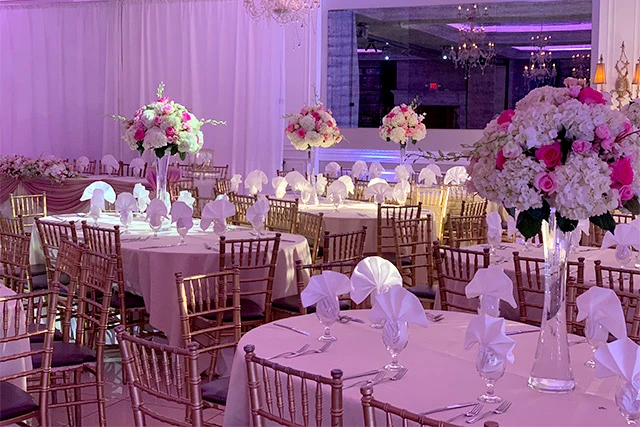
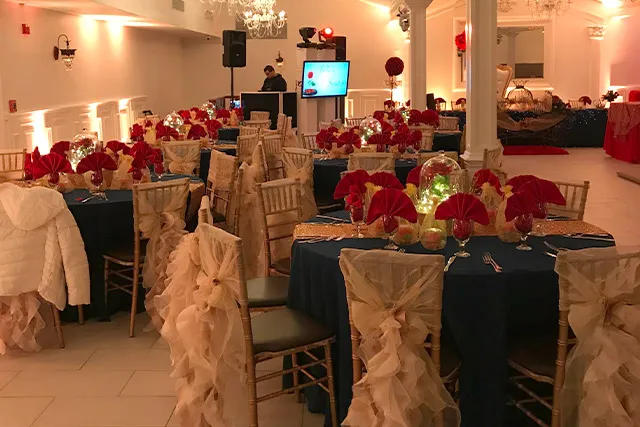
Plated dinners, by contrast, offer structure and formality. Guests remain seated while courses are served directly to their tables. This format creates a refined dining experience and ensures consistent portioning and presentation.
For couples seeking a sophisticated ambiance, plated service enhances elegance. It allows the event timeline to flow smoothly, particularly during speeches or formal programs. Because guests are served simultaneously, the meal feels coordinated and organized.
Plated dinners also provide clearer cost control. With predetermined courses and portion sizes, catering teams can manage inventory more precisely. This predictability benefits both hosts and venue staff.
Guest Experience and Flow
One of the most important considerations is how each format affects guest movement and engagement. Food stations promote mingling, which works well for extended receptions and multi-event wedding weekends. Guests enjoy exploring different flavors and interacting with chefs preparing dishes live.
Plated dinners, on the other hand, create a focused dining period. Guests remain seated, allowing them to enjoy uninterrupted conversations. This format may be preferable for events with older family members who appreciate convenience and minimal movement.
When evaluating options at Indian wedding venues New Jersey, couples often consider the demographic composition of their guest list. A mixed-age audience may benefit from hybrid formats that combine plated appetizers with station-based main courses.
Menu Diversity and Cultural Representation
Indian weddings frequently bring together families from different regions, each with unique culinary preferences. Food stations offer flexibility to represent multiple regional cuisines simultaneously. For example, North Indian curries can be paired with South Indian specialties and Gujarati snacks in one cohesive setup.
Plated dinners require careful selection to ensure the chosen dishes resonate broadly. While elegant, this approach may limit the ability to showcase a wide array of flavors.
Budget and Logistics Considerations
Budget and operational logistics also influence the decision. Food stations may require additional staffing and equipment, particularly for live cooking elements. Space planning is essential to prevent crowding and ensure smooth flow.
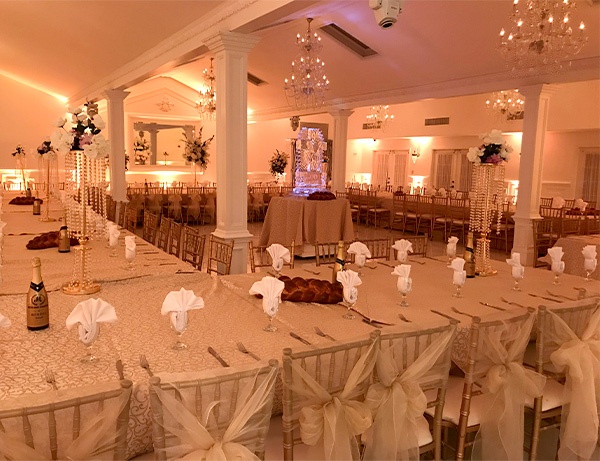
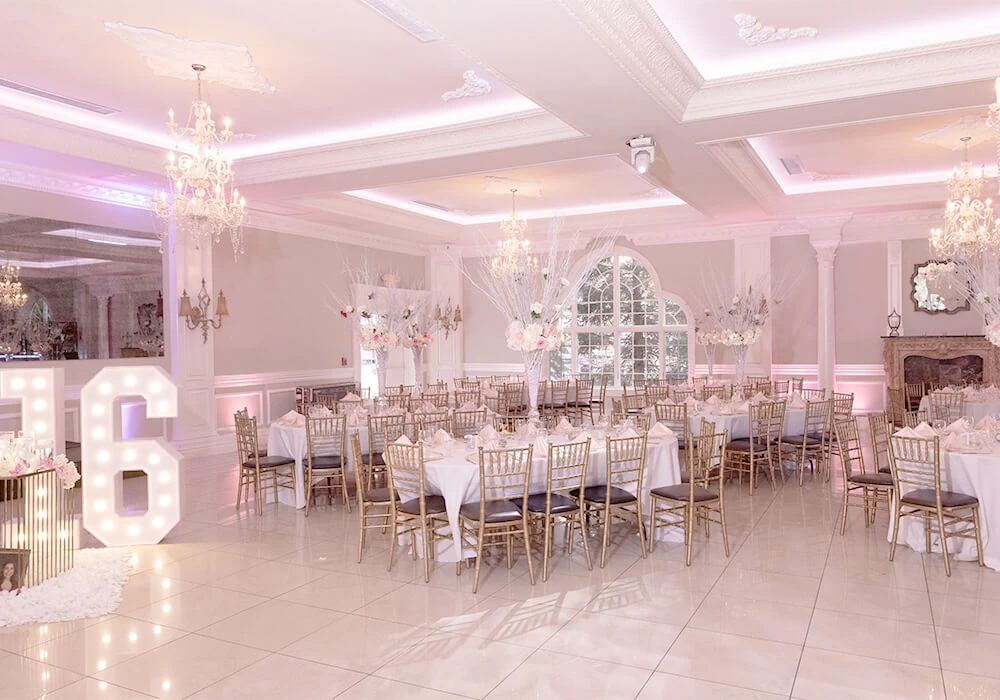
Plated dinners typically demand coordinated timing between kitchen and service staff but may require fewer on-floor chefs. Venues with ballroom-style layouts often accommodate plated service more easily.
Couples should consult venue coordinators to evaluate floor plans, guest count, and event duration before finalizing their choice.
Creating the Right Atmosphere
Ultimately, the choice between food stations and plated dinners depends on the ambiance you wish to create. Food stations enhance vibrancy and cultural immersion. Plated dinners elevate formality and structure.
Some couples combine both approaches—offering interactive appetizer stations during cocktail hour followed by a plated main course. This balanced strategy provides variety without sacrificing elegance.
Choose the Dining Style That Reflects Your Vision!
Selecting between food stations and plated dinners is more than a logistical decision; it shapes how guests experience your celebration. Whether you value the lively energy of interactive stations or the refined elegance of seated service, both formats can create unforgettable moments.
When exploring options at Indian wedding venues New Jersey, discuss your priorities, guest demographics, and cultural traditions with your venue and catering team. Thoughtful planning ensures your wedding feast reflects your story and leaves a lasting impression on everyone in attendance.
Sign in to leave a comment.