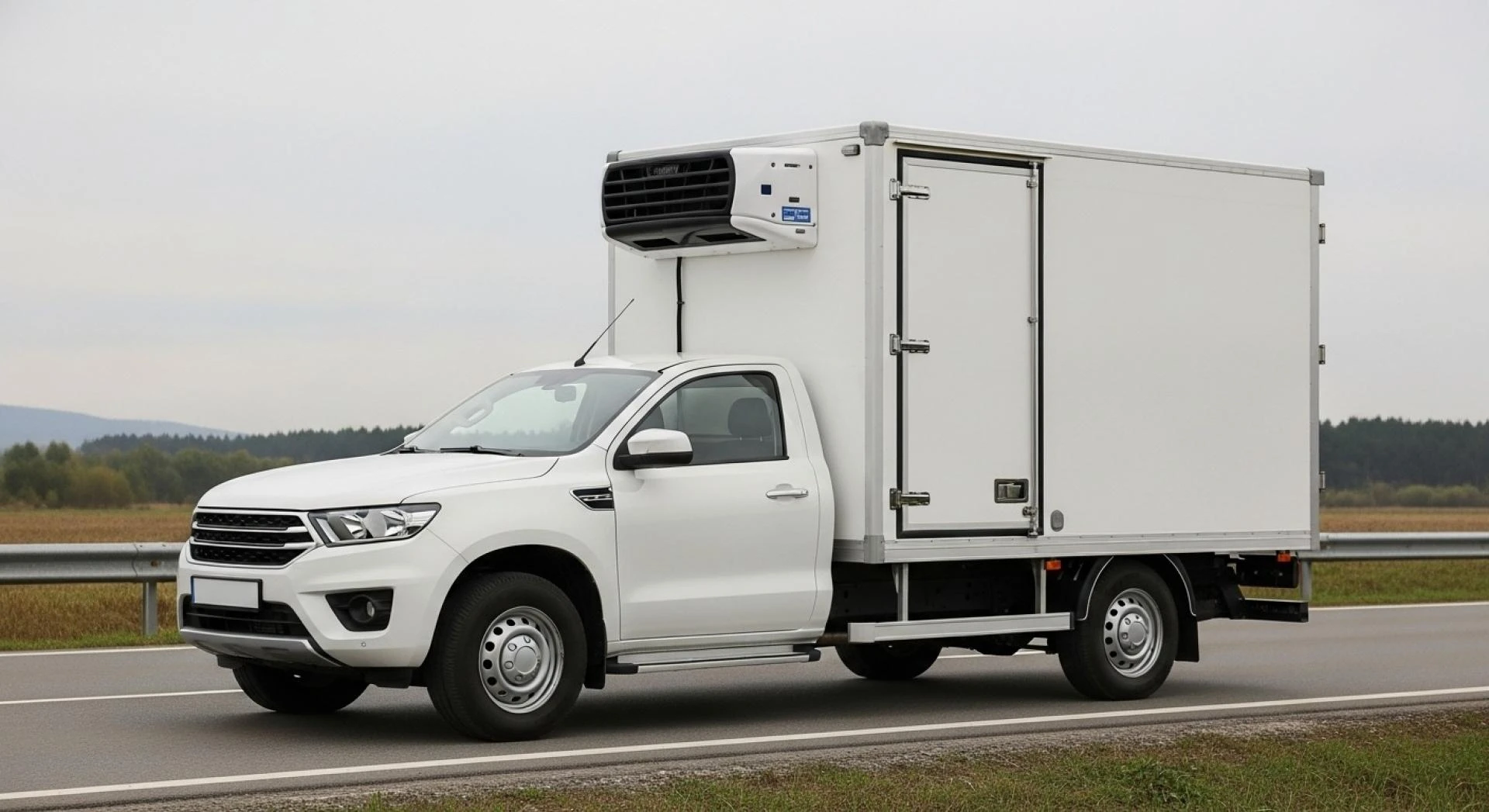

The food industry has expanded into outdoor markets, festivals, private gatherings, tourism zones and even office lunch zones. People enjoy meals served fresh on location, and mobile kitchens have made that possible. For many new businesses, purchasing a full unit is costly, which is why Food Truck Rental has become a preferred option. Renting gives the freedom to operate without the long-term financial load that comes with owning and maintaining a truck permanently.
Why Food Truck Rental is Growing in This Industry
Restaurant owners, chefs, marketing agencies and event planners are turning to mobility instead of fixed locations. Rent-based models offer flexibility and lower startup cost, making it easier for entrepreneurs to test new food ideas without investing in a large kitchen or permanent shop space. Established restaurant brands also join outdoor fairs through Food Truck Rental to reach new customers.
Food trucks help in:
• Street food pop-ups
• Private parties and weddings
• Corporate gatherings
• Weekend markets
• School or university festivals
• Tourism and beach-side areas
• Seasonal events
By renting instead of buying, businesses can start operations quickly and adjust locations based on foot traffic, customer interest and event bookings.
Cost Benefits of Renting a Food Truck Instead of Buying
Building or purchasing a fully equipped unit costs a large amount. It also includes maintenance, licensing, repairs, engine care, fuel, insurance, design and storage space. Many new food brands cannot afford this immediately. With Food Truck Rental, they only pay for usage days or months, keeping their finances controlled.
Renting supports financial flexibility. A new chef testing a concept can rent for a weekend or month to measure customer response. If sales grow, they can extend the rental plan instead of making a long-term purchase decision at once. This lowers business risk and encourages experimentation with menu items, pricing models, and service locations.
Features to Look For When Selecting Food Truck Rental
Not all food trucks support the same type of menu. A pizza operation needs a high-temperature oven and dough workspace. A burger stall needs refrigeration for meat and toppings. A dessert business requires freezers, while beverages demand cold storage space. Choosing the right Food Truck Rental requires checking the internal equipment and kitchen layout.
Important features include:
- Burner space and grill size
- Refrigerator or freezer capacity
- Storage for dry ingredients
- Stainless cooking area and ventilation
- Electrical connections
- Water supply and waste management
- Serving window and counter setup
- Exterior branding space
A well-designed interior helps chefs work comfortably during peak hours. Easy cleaning surfaces reduce time between shifts and maintain food safety conditions.
Licensing, Permits and Health Standards
Food handling laws vary between cities, and mobile vendors must meet hygiene requirements. Rental companies often provide guidance on obtaining permits. Some include already approved units, reducing paperwork for the operator.
When choosing Food Truck Rental, ask the provider about:
• Health certification status
• Fire safety and extinguisher availability
• Local vending license requirements
• Parking permissions for certain areas
• Electrical load capacity
Meeting food regulations builds trust among customers and protects the business from penalties. Cleanliness, proper waste disposal and temperature control remain essential for safe meal service.
Food Truck Rental for Restaurants and Catering Companies
A running restaurant can use a rental truck to reach customers in locations beyond their main branch. Instead of opening another branch, they take their menu directly to event venues, beaches, office districts or carnivals. Catering companies also book Food Truck Rental to serve at weddings, corporate events and VIP functions.
Mobile service increases exposure and allows chefs to meet customers face-to-face. It also helps brands test new neighborhoods without permanent leases. Many restaurants report that food trucks help them grow brand identity faster because customers relate food with experience.
Food Truck Rental for New Entrepreneurs
Starting a food stall is easier when heavy purchase decisions are removed. Young entrepreneurs with unique recipes can rent a truck for a trial run. If sales improve, they can move to bigger events or increase service timing.
Typical startup uses include:
• Home-based bakers entering markets
• Grill and barbecue specialists
• Coffee and iced drink businesses
• Smoothie and juice stands
• Cultural and fusion food stalls
• Breakfast and brunch trucks
For newcomers, Food Truck Rental becomes a path toward expansion. Instead of paying for a restaurant lease and renovation, they begin small then grow gradually.
Marketing Advantage of Food Trucks
A mobile unit acts like both a kitchen and advertisement board. With good design and visible menu boards, the truck becomes easy to recognize. Branding elements such as colors, logos and menu displays catch attention at outdoor gatherings.
Businesses can move to areas with high flow during certain times. Morning near offices, evenings near tourist spots and weekends at fairgrounds. Mobility gives control over customer reach which fixed shops cannot achieve.
Social media marketing also connects well with mobile vendors. Posting live updates, locations, daily menu specials and timing helps regular customers find the truck. Many food brands built entire fan-bases using this approach.
Maintenance and Support From Rental Providers
Good rental companies maintain engines, cooking stations, electrical sockets and water systems regularly. This avoids breakdowns during peak service hours. When discussing contract terms, businesses should request:
• Maintenance schedule
• Emergency support availability
• Replacement vehicle policy
• Fuel or mileage rules
A reliable provider keeps the truck ready for operations from day one. This ensures smooth workflow and customer satisfaction.
Final Overview
Food trucks have changed how food reaches people. Instead of waiting for customers to walk into a restaurant, businesses move their kitchen directly to them. This flexible model helps new chefs grow, supports restaurants in expanding reach and gives catering companies new booking opportunities.
With Food Truck Rental, entrepreneurs avoid major spending and still operate professional mobile kitchens. By selecting the right truck, maintaining hygiene, choosing active event locations and promoting through digital channels, any food brand can build steady income and loyal customer base.
As outdoor dining and event-based catering continue to expand, rental options will remain valuable for both beginners and established brands seeking growth through mobility.



























Sign in to leave a comment.