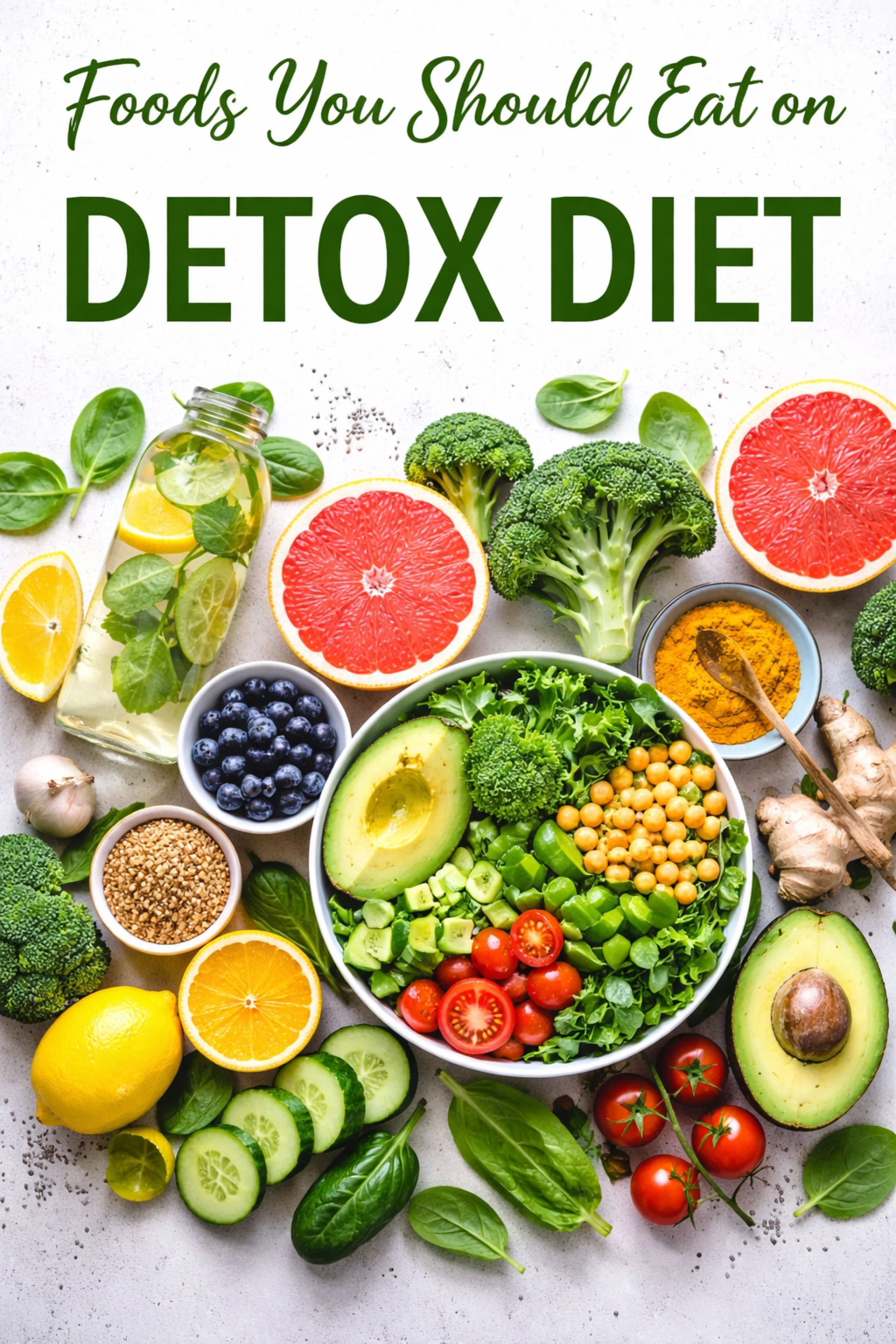

A detox diet is often seen as a quick reset, but its real value lies in supporting the body’s natural cleansing system through proper nutrition. Rather than extreme fasting or liquid cleanses, a balanced detox diet focuses on whole, natural foods that help remove toxins while nourishing the body. Understanding the foods you should eat on a detox diet makes it possible to detox safely, improve digestion, and maintain consistent energy levels.
Modern lifestyles expose the body to toxins from processed foods, environmental pollution, stress, irregular sleep, and sedentary habits. Over time, this toxic buildup may lead to digestive discomfort, low energy, skin issues, and weakened immunity. A food-based detox diet helps reduce this burden and supports the organs that naturally cleanse the body every day.
The Natural Detox System of the Body
The human body has a powerful detoxification system that works continuously. The liver filters toxins from the bloodstream and converts them into waste. The kidneys flush waste through urine, the digestive system removes toxins through bowel movements, and the skin and lungs assist through sweating and breathing. The foods you should eat on a detox diet provide nutrients that strengthen these processes instead of replacing them.
When detox organs receive sufficient fiber, antioxidants, healthy fats, and hydration, they function more efficiently. This leads to better digestion, improved metabolism, and a noticeable boost in overall well-being.
Why Detox Diets Should Be Food-Centered
Many detox plans focus on restriction, but this can slow metabolism and weaken the body. A food-centered detox prioritizes nourishment. Choosing the foods you should eat on a detox diet ensures that the body receives essential vitamins, minerals, and energy during the detox process.
This approach supports:
- Smooth digestion and regular elimination
- Reduced bloating and heaviness
- Better liver and kidney efficiency
- Stable energy throughout the day
- Sustainable healthy eating habits
A gentle, food-based detox is safer and easier to maintain than extreme detox methods.
Fruits That Aid Detoxification and Digestion
Fruits are a vital part of the foods you should eat on a detox diet because they are hydrating, easy to digest, and rich in natural antioxidants.
Citrus Fruits for Liver Support
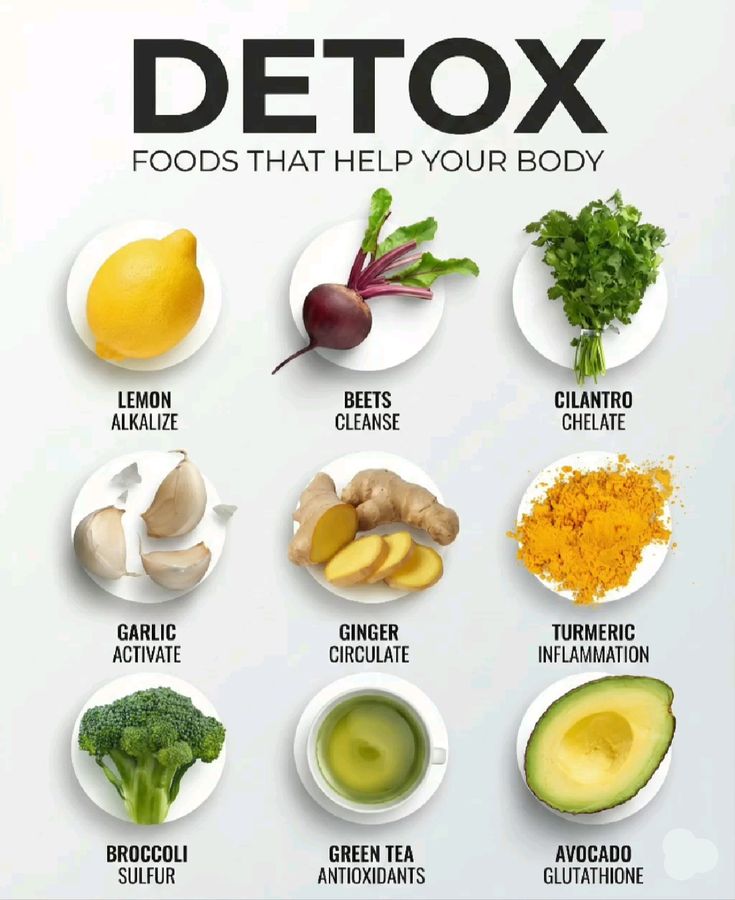
Lemons, oranges, sweet lime, and grapefruit stimulate digestive enzymes and support liver detox pathways. Starting the day with warm lemon water helps flush toxins and improve hydration.
Fiber-Rich Fruits for Gut Cleansing
Apples and pears contain soluble fiber that binds waste in the intestines and promotes smooth elimination. Papaya supports digestion and reduces bloating.
Antioxidant Fruits for Cellular Protection
Berries such as blueberries, strawberries, and raspberries protect cells from oxidative stress and support overall detox health.
Vegetables That Strengthen Detox Organs
Vegetables form the foundation of the foods you should eat on a detox diet due to their fiber, vitamins, and plant compounds.
Leafy Greens for Blood Purification
Spinach, kale, lettuce, fenugreek leaves, and coriander help cleanse the blood and support liver function. Their chlorophyll content assists in removing toxins from the bloodstream.
Cruciferous Vegetables for Liver Detox
Broccoli, cabbage, cauliflower, and Brussels sprouts activate detox enzymes in the liver that help break down harmful substances.
Hydrating Vegetables for Kidney Health
Cucumber, zucchini, bottle gourd, ash gourd, and tomatoes help flush toxins and maintain hydration.
Whole Grains That Support Digestive Detox
Whole grains are often avoided during detox, but they are essential foods you should eat on a detox diet when consumed in moderation.
Brown rice and quinoa provide complex carbohydrates and fiber that support regular bowel movements and prevent toxin buildup. Oats help cleanse the digestive tract and support healthy gut bacteria. Millets are light, easy to digest, and provide long-lasting energy.
Protein Sources That Aid Detox Without Burden
Protein is required for enzyme production and tissue repair, making it an important part of the foods you should eat on a detox diet.
Plant-Based Proteins
Lentils, chickpeas, kidney beans, and sprouts provide clean protein along with fiber, supporting digestion and muscle maintenance.
Nuts and Seeds
Almonds, walnuts, flaxseeds, chia seeds, and pumpkin seeds provide healthy fats and antioxidants that support cellular detoxification.
Healthy Fats That Improve Detox Efficiency
Healthy fats play a key role in nutrient absorption and hormone balance.
Avocados contain glutathione, a compound that supports liver detoxification and reduces inflammation. Cold-pressed oils such as olive oil, coconut oil, and flaxseed oil help absorb fat-soluble vitamins and support metabolism when used in moderation.
Hydration and Detox-Supportive Fluids
Hydration is essential for detoxification. Many foods you should eat on a detox diet contain water, but fluids are equally important.
Herbal teas such as green tea, ginger tea, cumin water, and fennel tea support digestion and liver health. Infused water with lemon, mint, or cucumber encourages hydration and gentle cleansing throughout the day.
Herbs and Spices That Enhance Detox Benefits
Herbs and spices improve both taste and detox efficiency.
Turmeric supports liver function and reduces inflammation by activating detox enzymes. Ginger improves digestion and circulation, while garlic supports immune health and toxin elimination.
Foods to Reduce During a Detox Diet
To get the best results from the foods you should eat on a detox diet, it is important to limit:
- Processed and packaged foods
- Refined sugar and artificial sweeteners
- Alcohol and sugary beverages
- Fried and oily foods
- Excess caffeine
Reducing these foods lowers stress on detox organs and enhances detox results.
Simple Daily Detox Eating Plan
Morning: Warm lemon water followed by fruits or soaked oats
Afternoon: Vegetable-rich meals with whole grains and plant-based protein
Evening: Light soups, salads, or steamed vegetables with healthy fats
This structure supports detoxification without causing fatigue or hunger.
Long-Term Benefits of Detox-Friendly Eating
Consistently including the foods you should eat on a detox diet can improve digestion, boost energy, enhance skin clarity, reduce bloating, strengthen immunity, and improve mental focus. Unlike extreme detox programs, this approach is balanced and suitable for long-term health.
Read More : Spirulina for Weight Loss, Muscle Recovery, Detoxification and Limitless Energy
Frequently Asked Questions
Is a detox diet safe for beginners?
Yes, a food-based detox is gentle and beginner-friendly.
How long should a detox diet be followed?
It can be followed for 7–14 days or adapted into daily clean eating.
Can detox diets support weight balance?
Healthy weight changes may occur naturally due to better food choices.
Are fruits allowed every day during detox?
Yes, whole fruits are encouraged for fiber and nutrients.
Is fasting required for detox?
No, detox diets focus on nourishment rather than starvation.
Final Thoughts
A detox diet works best when it emphasizes nourishment, balance, and consistency. By choosing the foods you should eat on a detox diet, you support your body’s natural cleansing systems without sacrificing energy or nutrition. This gentle, food-based approach turns detoxification into a sustainable lifestyle practice that promotes long-term health and vitality.


Sign in to leave a comment.