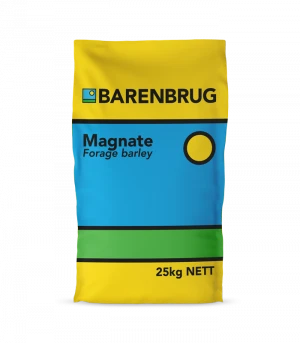
With increasing pressure on sustainable livestock production, forage barley has emerged as a dependable, cost-effective crop for feed. Known for its high biomass yield, rapid growth cycle, and adaptability to various climates, this cereal grain is quickly gaining traction among progressive farmers and agricultural experts.
Understanding Forage Barley
Unlike barley varieties grown for grain harvest, forage barley is cultivated primarily for animal feed. Its soft, leafy structure and nutritional density make it suitable for hay, silage, or direct grazing. The crop can mature in as little as 60 to 70 days, making it an ideal rotation or cover crop option.
Popular Forage Barley Varieties
Choosing the right forage barley varieties can make a significant difference in both yield and forage quality. Some of the widely used types include:
- Stockford Barley: Known for its winter hardiness and early spring regrowth.
- Haybet Barley: A two-row variety bred specifically for hay production, offering excellent digestibility.
- Lavina Barley: Delivers a balanced combination of tonnage and nutritional value.
Each of these forage barley varieties is bred to thrive in different environments, so regional climate and soil conditions should guide seed selection.
The Role of Forage Barley Seed
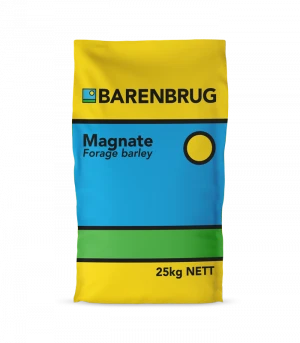
High-quality forage barley seed is the foundation for a productive forage system. Certified seeds ensure better germination, disease resistance, and uniform growth. Agronomists recommend using treated seed to minimize early-stage fungal infections and boost emergence rates.
"We switched to certified forage barley seed last spring and saw a noticeable increase in tonnage and nutritional value. It was a game changer for our livestock program."
— Rick Dawson, Cattle Farmer, Alberta
Benefits of Forage Barley in Livestock Operations
- Nutritional Value: High in fiber and energy, making it ideal for ruminants.
- Versatility: Suitable for haying, grazing, or ensiling.
- Climate Tolerance: Performs well in drought-prone areas and cooler climates.
- Quick Maturity: Fits well into tight planting windows.
These attributes contribute to its growing popularity among mixed farming systems and rotational planners.
Expert Insight
According to Dr. Melissa Nguyen, a forage specialist at Prairie Ag Research Institute, "Forage barley offers an efficient feed solution that supports soil health and animal productivity. When paired with the right management strategy, it can rival more traditional forage crops in both yield and quality."
Frequently Asked Questions
Q: When is the best time to plant forage barley?
A: Spring is optimal for most regions, but some varieties allow for fall planting in milder climates.
Q: Can forage barley be used for silage?
A: Yes, it is an excellent silage crop due to its moisture content and rapid fermentation profile.
Q: How does forage barley compare to oats or rye?
A: Barley generally matures faster and offers better digestibility than oats, while producing more biomass than rye.
Final Thoughts
As farming operations continue to seek resilient, multi-functional crops, forage barley stands out as a practical solution. With diverse Forage Triticale Seed and access to high-grade forage barley seed, producers can enhance their forage systems while promoting animal health and sustainable land use.
For those evaluating new forage options, forage barley deserves a closer look—not just as a seasonal filler, but as a cornerstone of a forward-thinking feed strategy.


























Sign in to leave a comment.