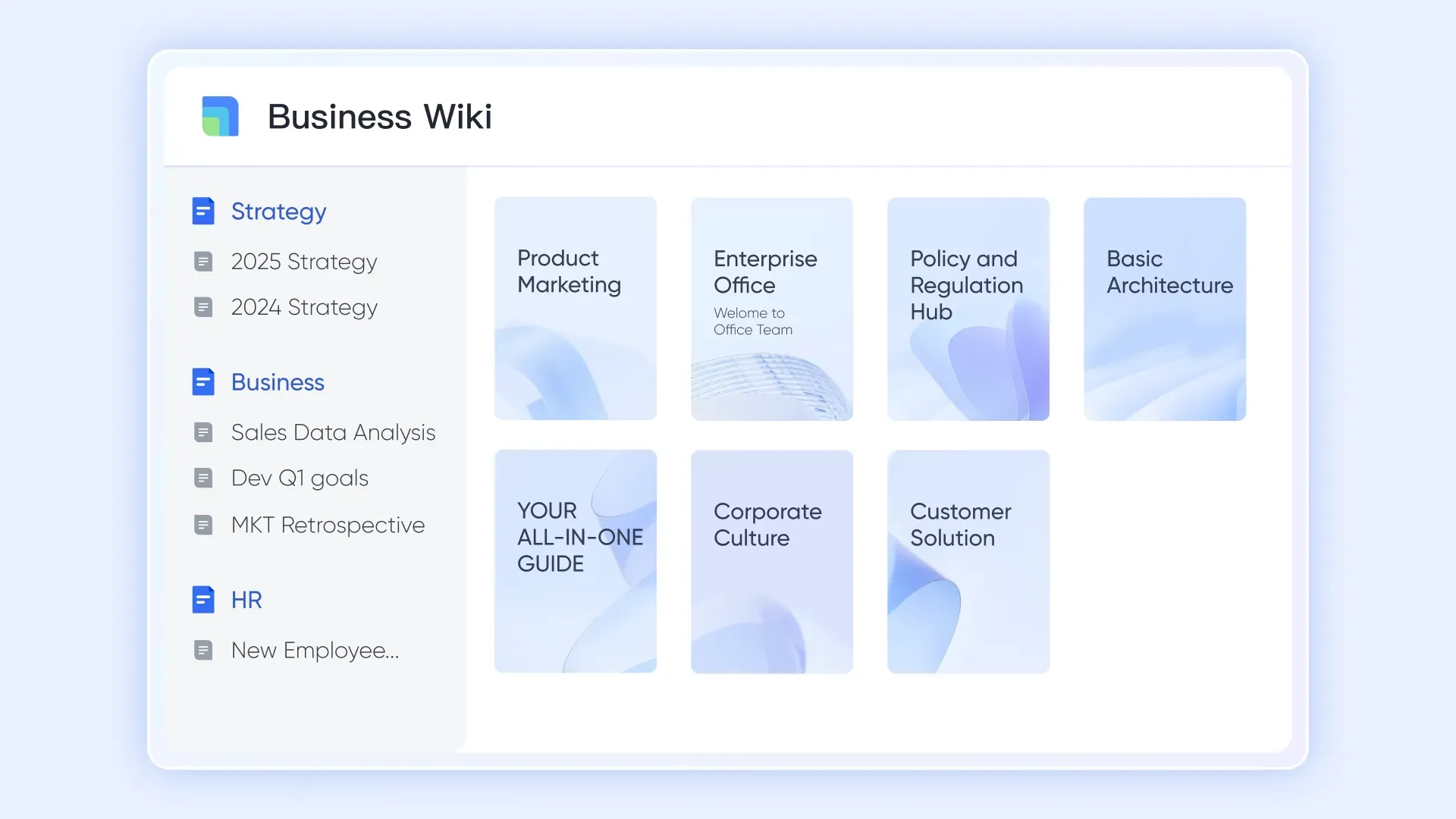

The promise of the franchise model is the replication of a proven system at scale. The unit that works in one location should work in every location because the system, the product, the process, and the standards, has been designed to be replicable. The gap between that promise and the operational reality of a fifty-location franchise network is one of the most persistent challenges in multi-unit operations. Standard operating procedures that are documented at headquarters and interpreted at every location produce fifty slightly different versions of the same system. Training materials that are shared as PDFs and implemented by managers who have different levels of thoroughness produce fifty different operational cultures wearing the same uniform. Quality standards that are enforced through periodic inspections produce compliance during the inspection and reversion during the intervals between them. The franchise networks that genuinely maintain operational consistency across fifty locations are not the ones with the most comprehensive documentation or the most frequent inspections. They are the ones that have built an operational infrastructure on project management tools that make consistent execution the path of least resistance at every location rather than the outcome of individual manager discipline.
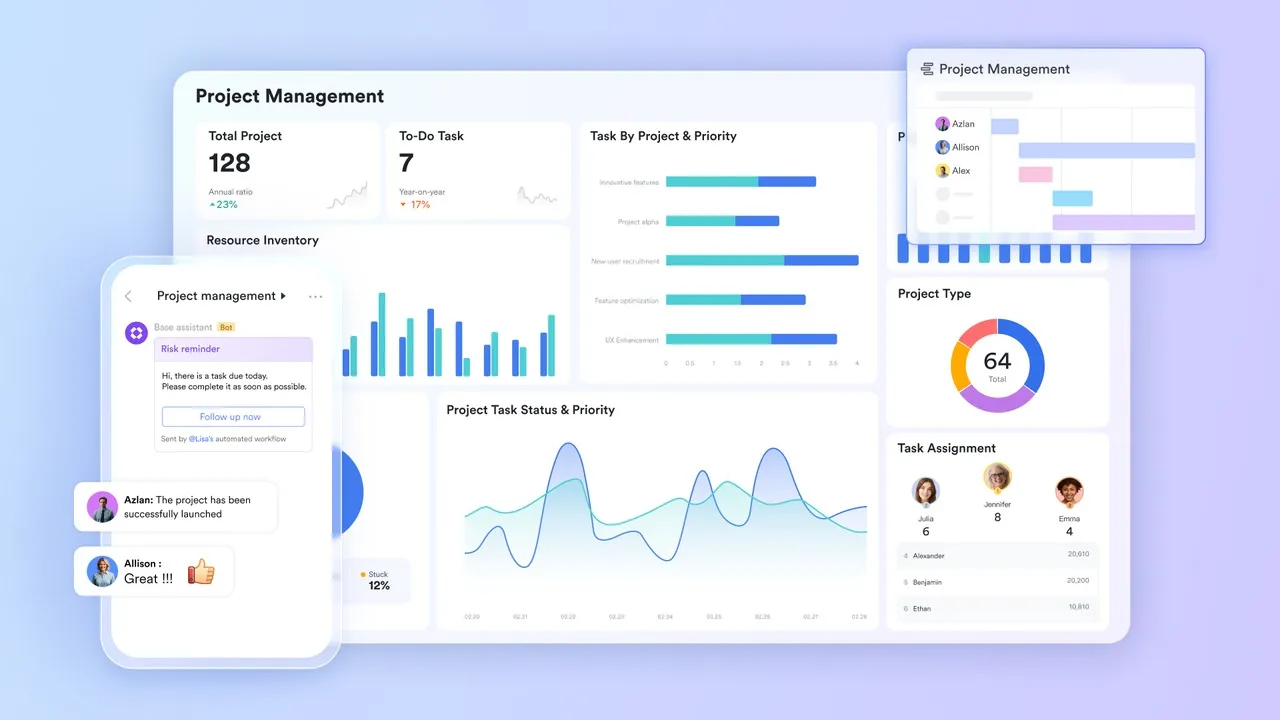
Operating procedures that reach every location in the same form with Lark Wiki
The standard operating procedure that leaves headquarters as a PDF and arrives at every location as a printed document in a binder is a standard operating procedure that will be followed correctly at some locations and adapted at others, and there is no reliable mechanism for identifying which category any given location falls into until the adaptation has been producing substandard outcomes long enough to be noticed.
- "Permission Settings" at the user and location level allow headquarters to control which staff members at each location can view, edit, and comment on operating procedures, ensuring that adaptations require authorization rather than happening by individual initiative.
- "Advanced Search" allows every location manager to find any current operating procedure in seconds rather than searching through a binder that may not have been updated when the procedure changed, so the version that is being followed is always the current one.
- "Rich Content" pages can carry the full operating procedure including embedded checklists, instructional videos, reference databases, and decision trees in a single organized page that any staff member can navigate on any device, making the operating procedure accessible at the point of need rather than at the point of a pre-shift briefing.
- "Migration" from Word, Excel, and other formats allows existing operating procedures to be brought into the structured Wiki without rebuilding from scratch, so the transition to a maintained, searchable knowledge base does not require the documentation team to reproduce years of accumulated procedural content.
Location-level reporting that aggregates without a reporting cycle with Lark Forms
The franchise network that collects operational reports from fifty locations through email has created a reporting process that is as inconsistent as the operations it is supposed to monitor. Some locations report in detail. Others report minimally. The aggregation required to produce a meaningful network-level view consumes significant headquarters staff time every reporting period.
- Conditional logic within forms ensures that every location's operational report captures the same information in the same format regardless of which manager submits it, so the network-level aggregation is a mathematical operation rather than an editorial one.
- Direct Base mapping means every location report lands as a structured record in the network's operational database the moment it is submitted, so the aggregate network view is always current without a headquarters aggregation step.
- Completion notifications confirm to headquarters when each location has submitted its report and flag any locations that have not reported by the required deadline, so the follow-up is targeted to the specific locations that need it rather than broadcast to the full network.
- Photo and attachment fields allow location reports to include visual documentation of compliance, cleanliness standards, and product presentation alongside the operational data, giving headquarters a visual compliance view without requiring a separate inspection program for every reporting period.
Network compliance tracking that does not require a field inspection team with Lark Base
Franchise network compliance monitoring typically relies on a combination of mystery shoppers, periodic field visits, and customer feedback, each of which provides a delayed, partial, and expensive picture of operational consistency across the network. The compliance picture that emerges from these mechanisms is always behind the operational reality it is supposed to reflect.
- Shared dashboards give the franchise operations team a live view of compliance metrics, operational report submissions, and performance indicators across all fifty locations without requiring field visits to generate the data.
- Automated notifications trigger when a location's operational metrics fall below a defined threshold, when a compliance report has not been submitted by the required deadline, or when a location has logged an operational issue that requires headquarters support, so the operations team focuses its attention on the locations that actually need it rather than rotating field visits on a schedule that does not reflect operational reality.
- Kanban view organizes every location's compliance status by category, making the network-wide compliance picture legible to the operations director without requiring them to drill into every location's individual record.
Policy and procedure approvals that protect the brand with Lark Approval
Franchise networks require a governance layer that protects brand standards and legal compliance across every location. The location manager who wants to introduce a local menu variation, a local promotion, or a local operational adaptation needs an authorization pathway that is fast enough not to discourage legitimate adaptations while being robust enough to prevent unauthorized ones.
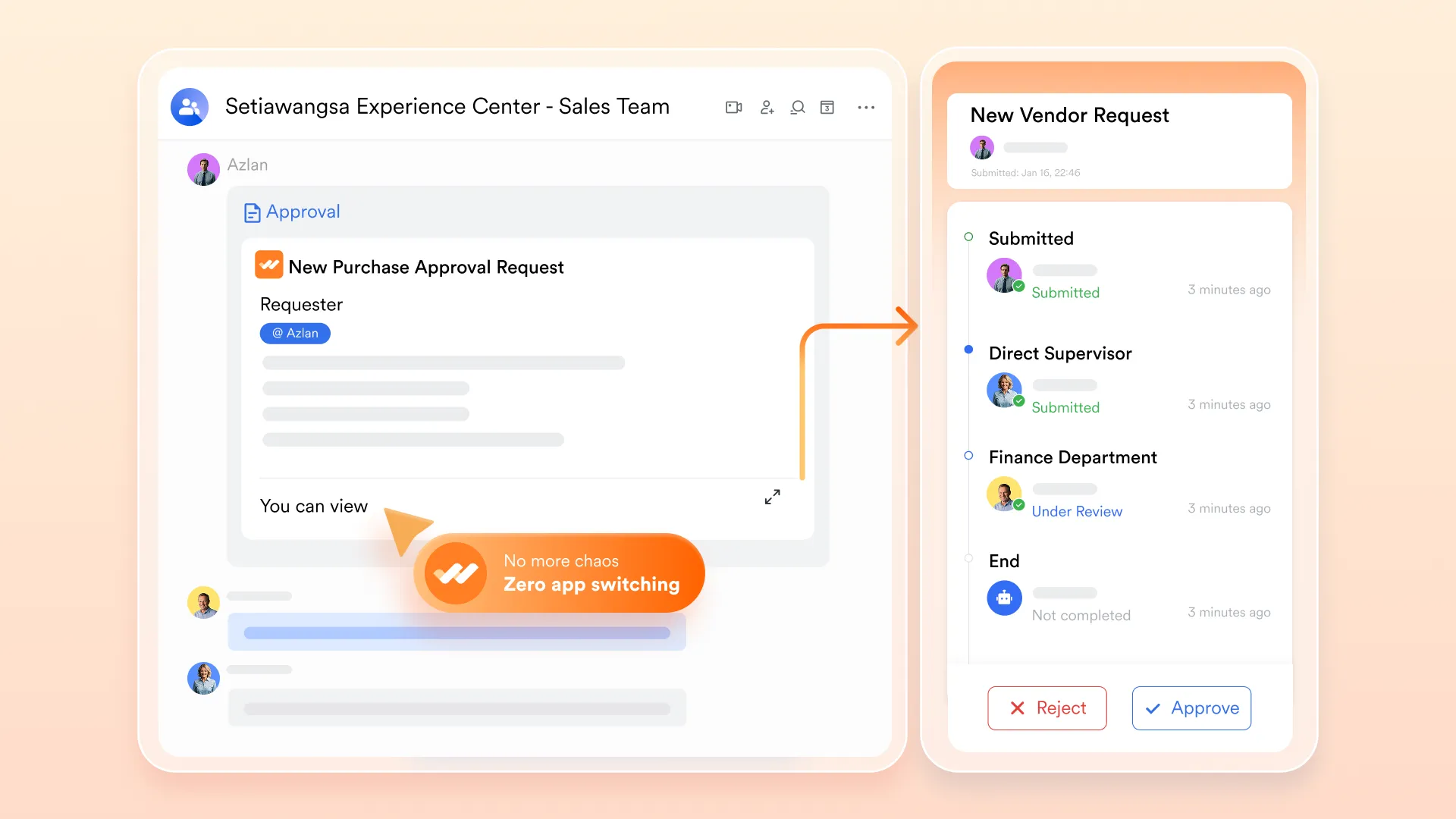
- "Conditional Branches" route different categories of location request, menu adaptations, promotional modifications, and facility changes, to the appropriate brand, legal, or operations authority at headquarters automatically, so the governance structure handles the full range of location requests without requiring a coordinator to direct each one.
- "Parallel Routing" sends requests requiring authorization from multiple headquarters functions simultaneously, so a local promotional request that requires both marketing and legal approval does not wait for each function to review sequentially.
- Full approval history provides a network-level audit trail of every location adaptation and authorization decision that satisfies franchise agreement compliance requirements and provides the documentary foundation for any franchisor-franchisee dispute resolution.
Network-wide communication that reaches every location at once with Lark Messenger
The franchise network that communicates operational updates, product changes, promotional launches, and training requirements through email has a communication infrastructure that produces different levels of awareness at different locations depending on whether the local manager reads their email thoroughly, reads it cursorily, or forwards it to staff before the information is relevant.
- Lark allows administrators to create and manage user groups for different locations, regional clusters, and functional teams, helping franchise operations organize communication around specific business units. Teams can also use Lark Wiki subfolders to organize operational documents by location or topic, making it easier for both headquarters and location managers to access relevant information without relying on fragmented communication workflows.
- "Scheduled Messages" allow headquarters to push operational updates, promotional briefings, and training reminders to every location simultaneously at the moment when the information is most actionable, rather than relying on location managers to read and act on communications at their own pace.
- "Read/Unread Status" gives headquarters confirmation that time-sensitive operational communications have been received at every location without requiring location managers to individually acknowledge each message, so communication accountability is maintained by the infrastructure rather than by individual follow-up calls to every location.
Bonus: Why franchise consistency is a technology problem as much as a culture problem
Franchise consistency is typically treated as a cultural and training problem: hire better managers, train more thoroughly, and enforce standards more rigorously. These interventions produce temporary improvements that fade because the operational infrastructure that was supposed to support consistent execution was never designed to make consistency the path of least resistance at every location.
Platforms like Zendesk and Freshdesk handle customer service consistency. Yodle and similar platforms handle local marketing consistency. But neither addresses the operational execution consistency that determines whether every customer's experience at every location matches the brand standard that the franchise model was built to deliver. Franchise operators evaluating Google Workspace pricing often find that collaboration tools alone do not cover the needs of multi-location operations. Many add separate platforms for location management, compliance tracking, communication, and approval workflows, creating a fragmented system where operational information is spread across multiple tools. Lark brings operating procedures, compliance workflows, communication, and approvals into one environment, helping franchise networks maintain greater operational consistency across locations.
Conclusion
Franchise networks that maintain operational consistency across fifty locations have made consistent execution the structural default rather than the product of individual manager discipline. A connected set of productivity tools that makes operating procedures findable and current at every location, intake structured and consistent, compliance visible without field visits, adaptations governed without bureaucratic delay, and network communication simultaneous and confirmed is how franchise operators deliver brand consistency at scale without inspection and enforcement overhead that inconsistency typically demands.























Sign in to leave a comment.