Free vs Paid Certification Python Data Science Programs Compared

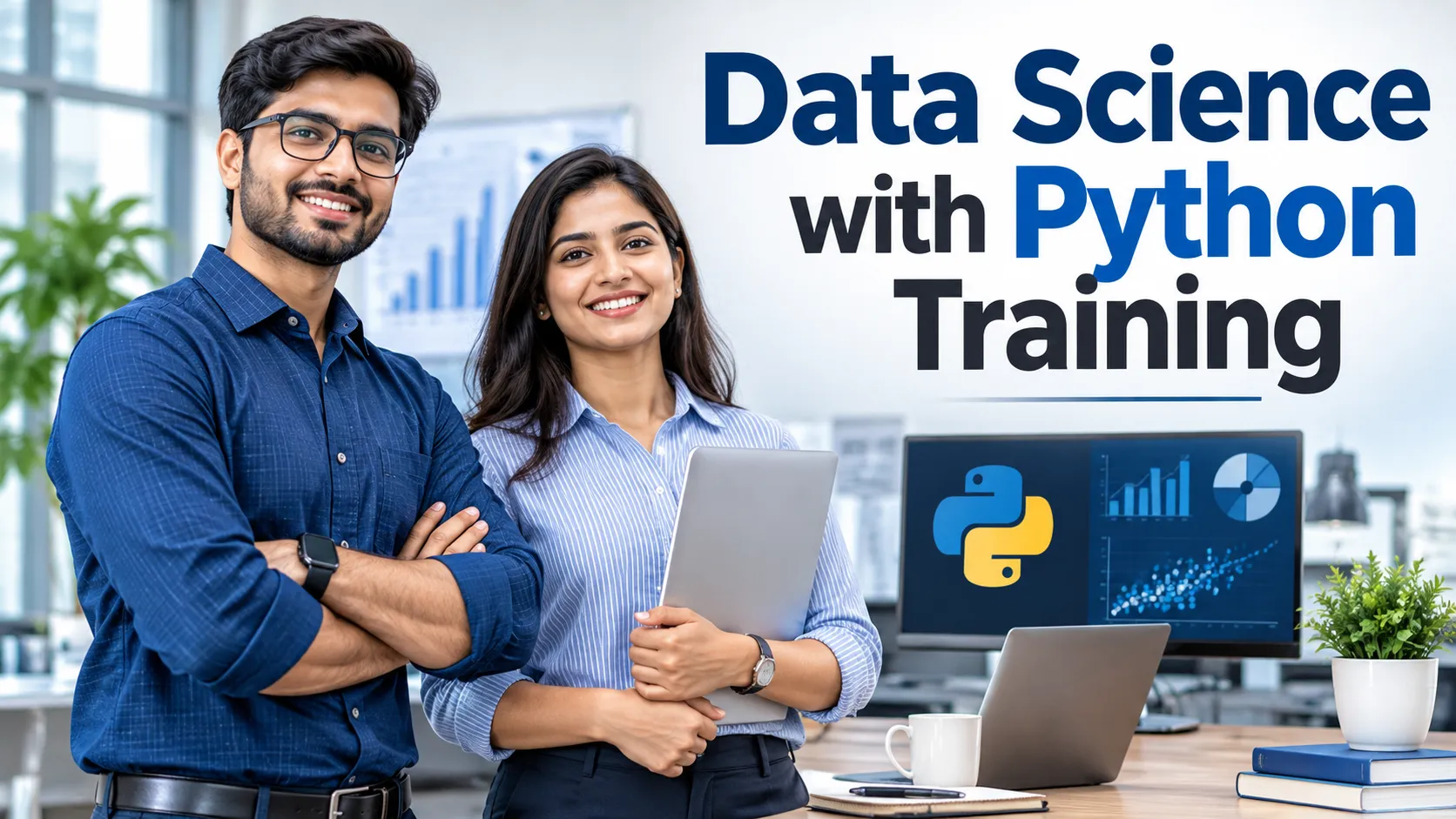
Deciding between free vs paid certification Python data science programs is a strategic choice for working professionals, career switchers, and technical managers. With data-driven workflows anchoring modern operations—from artificial intelligence and machine learning to cloud architecture and cybersecurity—organizations increasingly look for verifiable proof that candidates can clean data, build models, and translate analytical outputs into business decisions.
Yet the training landscape can feel confusing. Some platforms offer completely free courses with completion badges, others allow free auditing while charging for proctored exams, and comprehensive paid programs provide instructor-led mentoring, graded capstones, and formal credentials. This guide compares free and paid Python data science certifications across curriculum depth, assessment rigor, industry credibility, and career return on investment so you can invest your time and budget wisely.
Understanding the Landscape: Free vs Paid Certification Python Data Science Options
Before comparing individual features, it helps to clarify what "free" and "paid" actually represent in professional data science education.
Free certification programs generally fall into two categories: open-access learning platforms that award a free certificate or digital badge upon completing browser-based exercises and projects (such as Kaggle Learn, freeCodeCamp, or Harvard's open CS50 track), and major learning marketplaces where video lectures can be audited at no cost while graded assignments or formal certificates require a fee.
Paid certification programs span structured vendor credentials, university-backed executive certificates, and accredited professional training tracks. These programs typically bundle curated curricula, hands-on lab environments, instructor or mentor support, capstone project evaluations, and identity-verified assessments.
| Comparison Dimension | Free Python Data Science Programs | Paid Python Data Science Certifications |
| Upfront Financial Cost | $0 (or low optional fee for verified certificate) | Typically $100 to $1,500+ depending on depth and live instruction |
| Curriculum Structure | Modular, self-paced tutorials and foundational exercises | End-to-end learning path from Python basics to deployment |
| Assessment Rigor | Automated quizzes or self-checked coding drills | Identity-verified exams, proctored tests, or graded capstones |
| Support & Mentorship | Community forums and documentation | Live instructors, code reviews, and cohort accountability |
| Employer Recognition | Signals self-motivation and baseline familiarity | Higher credibility for formal upskilling and role transitions |
Curriculum Depth and Technical Scope
The most noticeable difference between free and paid tracks lies in how far they take you beyond introductory syntax.
What Free Programs Cover Well
Free courses excel at teaching core building blocks without financial friction. Learners can quickly pick up Python syntax, data structures, basic pandas DataFrames, NumPy array operations, and introductory Matplotlib charts. For professionals exploring whether data science fits their career goals—or software engineers brushing up on specific libraries—free resources offer immediate, low-risk utility.
However, free tracks often stop short of complex, multi-stage workflows. Real-world challenges like handling severe class imbalance, preventing data leakage during feature engineering, tuning ensemble models, and packaging pipelines for production frequently receive lighter coverage.
Where Paid Programs Deliver Deeper Rigor
Structured paid certifications are designed to mirror enterprise analytical lifecycles. Rather than treating libraries in isolation, comprehensive curricula connect statistical foundations, exploratory data analysis, supervised and unsupervised machine learning, and model evaluation into cohesive workflows.
Consider how this difference plays out across technical domains:
- Artificial Intelligence and Machine Learning: Paid tracks typically require learners to build, validate, and compare multiple algorithms (such as regularized regression, random forests, and gradient boosting) using cross-validation and business-aligned metrics rather than stopping at default model accuracy.
- Cloud and Data Engineering Integration: Enterprise-oriented programs often include cloud lab environments where learners connect Python workflows to relational databases, cloud storage, or containerized APIs across AWS, Azure, or Google Cloud.
- Cybersecurity and Risk Analytics: Advanced applied case studies train learners to parse high-volume system logs, engineer anomaly detection features, and evaluate false-positive trade-offs critical to security operations.
Assessment Standards, Verification, and Employer Credibility
When hiring managers, technical leads, or internal promotion committees review a credential, they look closely at how the issuing body verified the candidate's competence.
Many free certificates rely on unproctored multiple-choice quizzes or browser exercises where solutions are easily referenced. While a completion badge demonstrates curiosity and continuous learning, recruiters rarely treat unverified certificates as standalone proof of job readiness.
Paid certifications usually enforce stronger verification standards. Identity-checked exams, time-bound coding assessments, and human-reviewed capstone projects require candidates to debug unfamiliar datasets and justify analytical choices under realistic constraints. For organizations sponsoring employee upskilling—or professionals seeking reimbursement through corporate learning budgets—accredited and verifiable credentials provide clear governance and measurable skill benchmarks.
Time Commitment, Accountability, and Learning Support
Self-paced free courses offer total schedule flexibility, which is appealing for busy professionals. However, open-access platforms also experience high drop-off rates because learners must resolve environment setup errors, statistical ambiguities, and debugging roadblocks entirely on their own.
Paid programs address this friction through structured pacing and support mechanisms:
- Pre-configured cloud workspaces: Browser-based notebooks and lab sandboxes eliminate local dependency conflicts so study hours go toward analysis rather than troubleshooting installations.
- Instructor and mentor feedback: Access to experienced practitioners helps learners catch subtle methodological mistakes—such as scaling data before a train-test split—early in their training.
- Structured milestones: Fixed exam windows, cohort schedules, and capstone deadlines create external accountability that helps working professionals finish what they start.
For example, a PMP-certified project manager balancing client deliverables alongside evening study often benefits from a structured syllabus and scheduled checkpoints, whereas an experienced Python developer may move comfortably through self-directed documentation.
Choosing the Right Path Based on Your Career Goal
Neither option is universally superior; the smarter choice depends on your current technical baseline, budget, and professional objective.
Choose a free program when:
- You are testing your interest in Python and data analysis before committing significant time or money.
- You already hold a quantitative or software engineering role and simply want quick syntax refreshers on pandas or scikit-learn.
- You plan to pair free coursework with independent, well-documented GitHub portfolio projects to showcase your abilities directly.
Choose a paid certification when:
- You are transitioning into a data analyst, machine learning practitioner, or technical product role and need a recognized, verifiable credential on your resume.
- You learn best with structured curricula, live guidance, hands-on capstone reviews, and formal exam accountability.
- Your employer offers professional development sponsorship for industry-aligned certifications across data science, AI, cloud, or project management.
A hybrid strategy also works remarkably well: start with a reputable free introductory course to master basic Python syntax and data structures, then step into a comprehensive paid certification program to build end-to-end machine learning depth and earn an industry-recognized credential.
Conclusion: Making a Smart Investment in Python Data Science
Comparing free vs paid certification Python data science programs comes down to balancing upfront cost against curriculum depth, verification rigor, and structured support. Free resources provide an accessible entry point for learning core Python libraries and testing analytical concepts without financial commitment. Paid certifications, by contrast, deliver comprehensive end-to-end training, proctored validation, mentor guidance, and stronger credibility with employers. By aligning your choice with your existing technical background and target role—and backing your credential with real-world portfolio projects—you can turn structured Python training into lasting career momentum.






Sign in to leave a comment.