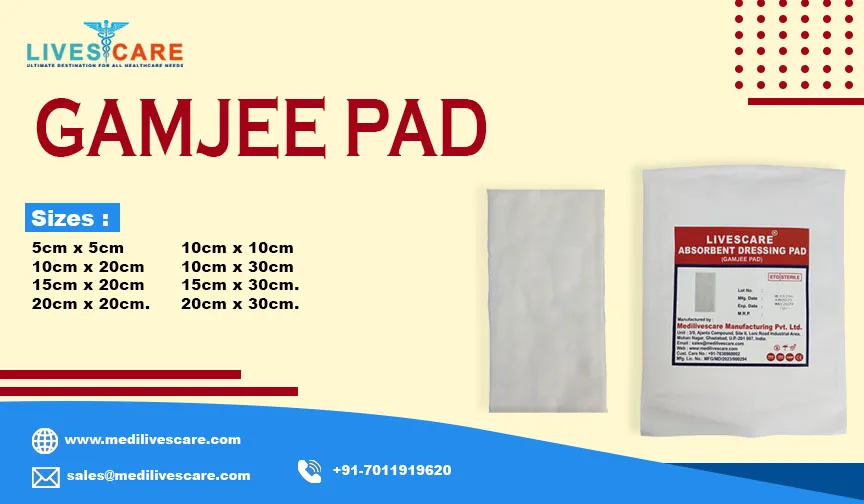

In the competitive world of surgical consumables, the Gamjee pad remains an unmatched solution for managing heavy wound exudate and providing essential cushioning. While the product’s core purpose—absorption and protection—remains constant, the standards for its production have become increasingly sophisticated.
For healthcare organizations, understanding the rigorous processes followed by leading Gamjee Pad manufacturers is the first step in ensuring surgical safety and patient comfort.
The Anatomy of an Engineered Dressing
A standard dressing might only provide surface-level coverage, but a high-quality Gamjee pad is a three-dimensional fluid management system. Manufacturers achieve this through a careful assembly of layers:
- The Non-Adherent Gauze Wrap: Premium pads feature a high-mesh-count gauze that allows fluids to pass through quickly while minimizing the risk of the dressing sticking to the wound bed.
- The High-Density Cotton Core: The internal layer must be made of highly combed, absorbent cotton wool. The "loft" or thickness of this cotton is critical, as it provides the mechanical barrier that protects healing tissue from external trauma.
Setting the Standard: What to Look for in Manufacturers
When evaluating potential partners, procurement experts prioritize Gamjee Pad manufacturers who demonstrate a commitment to both traditional quality and modern safety protocols:
- Validated Sterilization: Whether utilizing Gamma Radiation or Ethylene Oxide (ETO), the manufacturer must provide batch-specific sterilization indicators. This is non-negotiable for preventing Surgical Site Infections (SSIs).
- Hypoallergenic Processing: Leading manufacturers avoid optical brighteners and harsh chlorine bleaches. By using oxygen-based whitening, they ensure the pads are pH-neutral and safe for prolonged skin contact.
- Dimensional Precision: Automated cutting and folding technology ensures that every pad meets exact specifications (e.g., 10cm x 10cm or 10cm x 20cm). Inconsistent sizing can lead to waste and ineffective bandaging in a clinical setting.
The Importance of Bulk Supply Chain Transparency
In today’s global market, the reliability of a manufacturer is measured by their supply chain transparency. Reliable Gamjee Pad manufacturers often control the process from raw cotton sourcing to final packaging. This vertical integration allows for:
- Traceability: Every pad can be traced back to its raw material batch.
- Price Stability: Protection against the volatile fluctuations of the global cotton market.
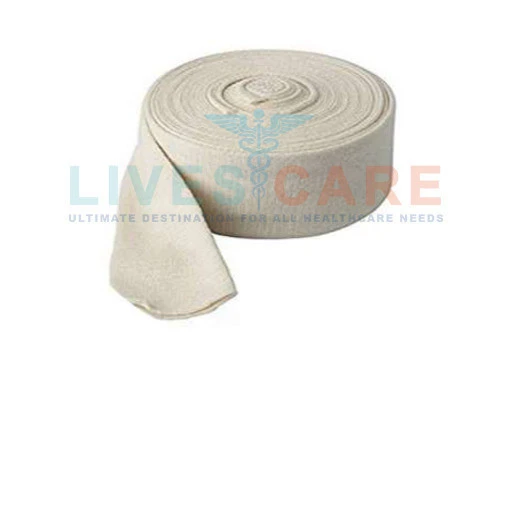
- Customization: The ability to create specialized "surgical mopping pads" or custom-sized rolls for orthopedic departments.
Conclusion: Investing in Quality
While Gamjee pads are often seen as "simple" consumables, their impact on the recovery process is profound. By partnering with reputable Gamjee Pad manufacturers, healthcare facilities can ensure they are providing the best possible environment for wound healing, combining time-tested design with the highest modern manufacturing standards.



























Sign in to leave a comment.