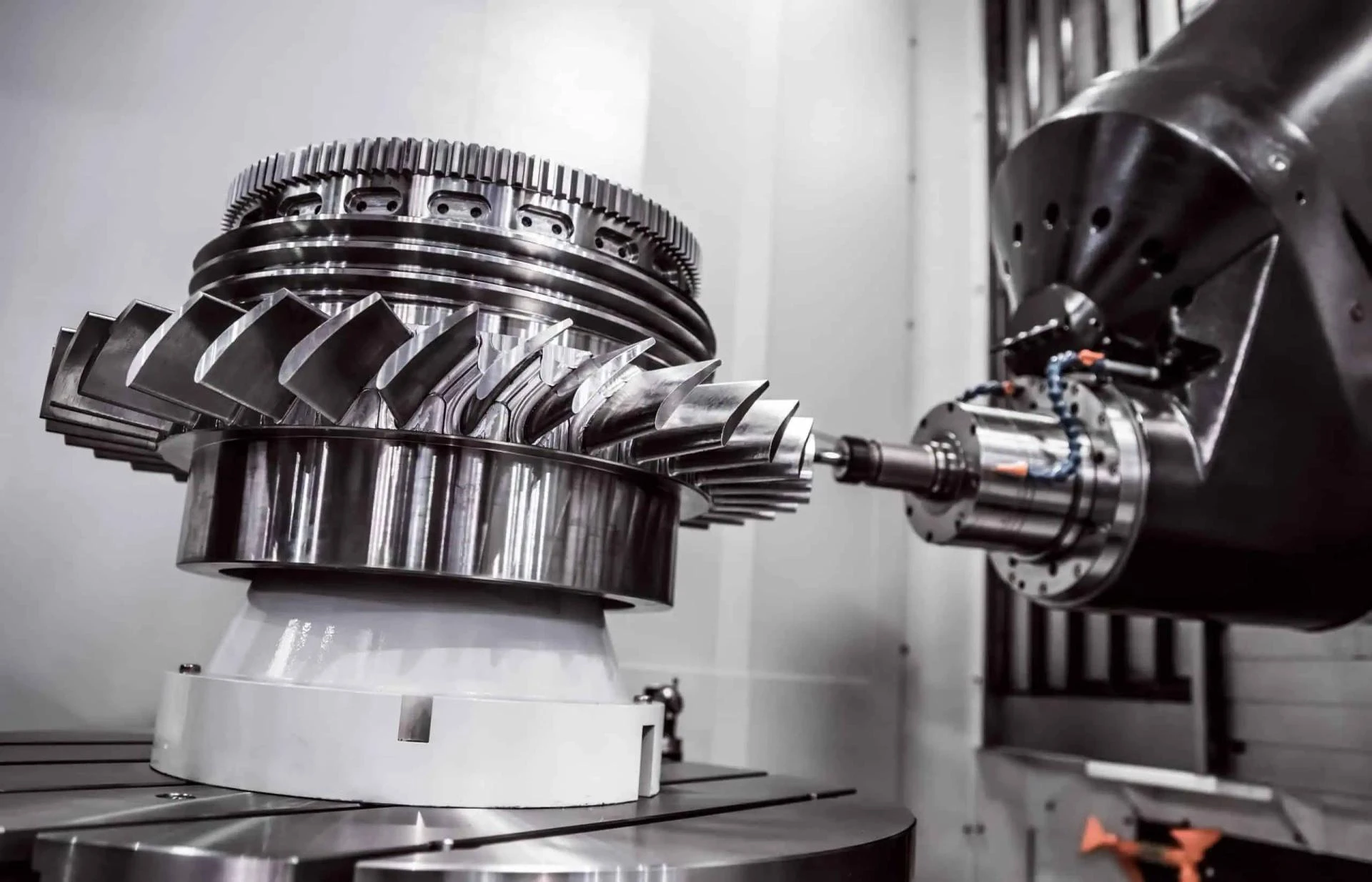

In today’s fast-paced manufacturing world, efficiency and precision are paramount. One of the most powerful tools driving these qualities is the CNC (Computer Numerical Control) machine. From aerospace parts to intricate medical devices, CNC machines are used across a broad spectrum of industries. But how exactly does the process work, from the initial design phase to the final creation of the part? Let’s break down the CNC machine workflow to understand how the magic happens.
1. Design Phase: Turning Ideas Into Digital Blueprints
Everything starts with the design. Whether it's a custom part for a client or a prototype for a new product, the design phase is crucial. This is where engineers or designers create a detailed digital blueprint of the part using CAD (Computer-Aided Design) software. The design includes precise measurements, material specifications, and features that need to be incorporated into the final product.
CAD programs like AutoCAD, SolidWorks, and Fusion 360 are commonly used to create the digital 3D models of the part. The CAD design represents the virtual version of the part and serves as the foundation for all future processes.
2. Converting CAD to CNC-Compatible Code (G-Code)
Once the design is ready, it needs to be translated into a language the CNC machine can understand. This is where CAM (Computer-Aided Manufacturing) software comes into play. CAM software takes the CAD model and generates the necessary instructions for the CNC machine, converting the design into machine-readable code, known as G-code.
G-code essentially tells the CNC machine the specific movements to make, the tools to use, the speed at which to cut, and the depth of cuts. It’s a critical step, as it ensures that the machine operates precisely according to the design specifications.
3. Setting Up the CNC Machine
With the G-code generated, it’s time to prepare the CNC machine for operation. This involves setting up the machine itself, which typically includes the following steps:
- Selecting the Right Tools: The machine needs specific cutting tools based on the material being worked with and the type of operation (milling, turning, drilling, etc.). Choosing the correct tool ensures the job is done accurately and efficiently.
- Material Setup: The raw material, such as metal, plastic, or wood, needs to be securely attached to the CNC machine’s worktable or chuck. Proper clamping and alignment are essential to prevent any movement during the machining process.
- Machine Calibration: Ensuring the CNC machine is properly calibrated guarantees that the machine will start at the correct position, avoiding errors in the finished product.
4. Machining Process: From Raw Material to Final Product
Now comes the real action — the machining process. The CNC machine follows the G-code instructions and starts cutting, drilling, or shaping the material. The machine’s precision ensures that each operation is performed accurately and consistently.
There are various types of CNC machines, each designed for specific tasks:
- CNC Milling Machines: These machines use rotary tools to remove material from a workpiece. They’re great for creating complex shapes, holes, and features in a variety of materials.
- CNC Lathes: These machines rotate the material to perform cutting operations. Lathes are typically used to create cylindrical or round parts.
- CNC Routers: Similar to milling machines, routers are used for cutting wood, plastics, and other materials but are often used for larger, flat parts.
- CNC Plasma Cutters and Lasers: Used primarily for cutting metal sheets, these machines use high-powered plasma or laser beams to precisely cut through materials.
Throughout the machining process, the CNC machine continually checks for accuracy, making micro-adjustments to ensure that the piece stays within the tight tolerances specified by the design.
5. Post-Machining: Inspection and Finishing Touches
Once the CNC machine has finished shaping the material, the part is removed from the machine. At this stage, the product is often near completion, but it’s not always ready for use right away.
- Inspection: The part is carefully inspected to ensure it meets the design specifications. This may involve the use of specialized measuring instruments like micrometers, calipers, or coordinate measuring machines (CMMs) to check for dimensional accuracy.
- Deburring and Polishing: Depending on the material and the required finish, the part may need some post-machining finishing. This could include deburring (removing sharp edges), polishing, or adding coatings for protection or aesthetic purposes.
- Assembly: If the part is part of a larger assembly, additional steps like fitting, welding, or assembly may be needed to complete the product.
6. Quality Control and Testing
Finally, quality control ensures that the part meets all functional and design requirements. Some CNC-machined parts require testing under specific conditions, such as load testing or functional testing in real-world environments. This step is critical in industries where precision and reliability are crucial, such as aerospace, automotive, or medical device manufacturing.
7. Ready for Use
Once the part has passed inspection and testing, it’s ready for delivery or integration into a larger system. The final product is often of superior quality, with the CNC machine having ensured precise tolerances, repeatability, and consistency.
Conclusion: A Seamless Journey From Design to Creation
Understanding the CNC machine workflow gives us an appreciation for the technology’s impact on modern manufacturing. What begins as a digital concept is transformed into a physical product through a series of precise and efficient steps. From the initial design to the final inspection, CNC machines play a pivotal role in producing parts that meet the highest standards of quality and accuracy.
Whether you're designing prototypes or manufacturing high-volume parts, CNC machining remains an indispensable tool in today's industry, making the process faster, more cost-effective, and more precise than ever before.




























Sign in to leave a comment.