From Learning Basic German to B2: A Practical Guide for Nurses Planning to Work in Germany

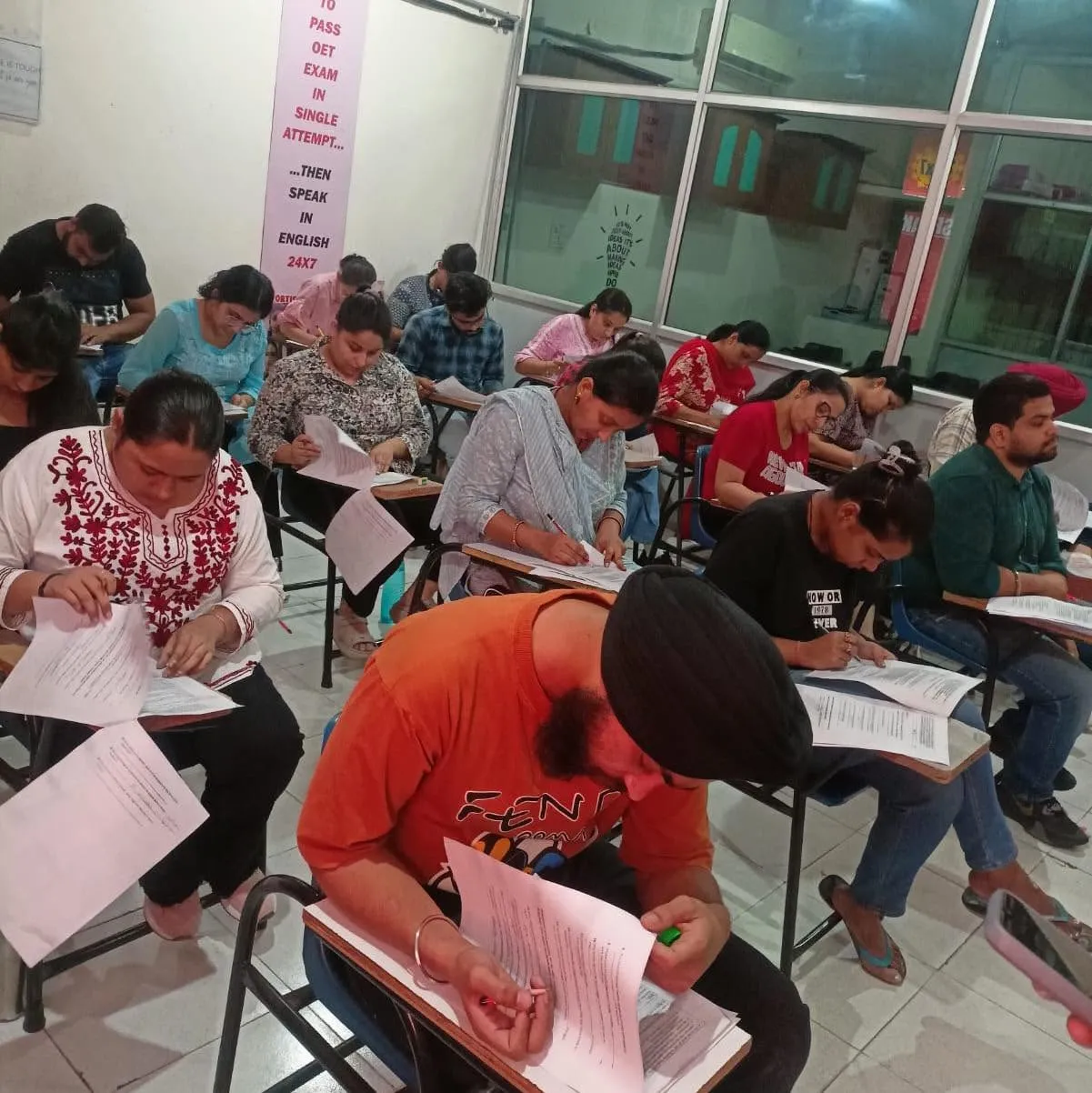
For a nurse planning to work in Germany, learning German is about much more than passing a language examination. It is also about being able to understand patients, communicate with colleagues and feel more prepared for everyday situations in a German-speaking healthcare environment.
However, starting a new language while managing nursing duties, family responsibilities and plans for an overseas career can be challenging. At first, even introducing yourself or forming a simple sentence may require considerable effort. As you progress, grammar, listening comprehension and longer conversations introduce new difficulties.

The most practical approach is to build your language skills step by step. Instead of rushing towards an advanced level, focus on developing a strong foundation and using German regularly in situations that are relevant to your future plans.
Why Is German Language Training Important for Nurses?
Nursing depends on clear communication. Nurses need to understand what patients are experiencing, explain information in an appropriate way and communicate with other healthcare professionals.
In Germany, language proficiency is also part of the professional recognition process for internationally qualified nurses. The general requirement is normally German at B2 level under the Common European Framework of Reference for Languages (CEFR), although candidates should confirm the applicable requirements with the competent authority for their intended pathway.
This is one reason nurses should plan their language learning early rather than treating it as a final step after completing all their other preparations.
Learning German can also help with ordinary activities outside work, from arranging accommodation to understanding appointments and communicating with people in the local community. These everyday skills are useful alongside the more specialised communication needed in healthcare.
What Do German A1, A2, B1 and B2 Levels Mean?
If you are beginning German from scratch, understanding the different proficiency levels can help you set realistic goals.
A1 – Building your foundation
At A1, you learn basic vocabulary, introductions, simple questions and familiar everyday expressions. You begin forming sentences and understanding short conversations when people speak clearly.
A2 – Handling everyday situations
At A2, you develop your ability to communicate about familiar subjects, daily routines, work and basic needs. You gradually become more comfortable understanding straightforward conversations and written information.
B1 – Becoming an independent learner
At B1, you work towards understanding the main points of clear communication and handling many familiar situations independently. You practise describing experiences, explaining plans and expressing opinions.
B2 – Developing more advanced communication
At B2, you develop the ability to understand more complex material, explain your ideas in greater detail and communicate with increased fluency. This level can be particularly relevant to nurses preparing to meet German-language requirements for professional recognition.
Each level builds on the previous one. The time required depends on your starting point, learning routine and opportunities to practise. Completing classes alone does not guarantee that you will have the proficiency required for an examination or professional recognition.
Why Should Nurses Practise Speaking Instead of Only Memorising Vocabulary?
One common problem among language learners is that they can recognise a German word when reading but cannot recall it during a conversation.
This happens because recognising vocabulary and using it naturally are different skills. Speaking requires you to remember words, arrange them into sentences and respond to another person in real time.
For nurses, practical conversations can make learning more relevant. Start with simple situations such as introducing yourself, asking questions about symptoms or explaining a basic instruction. As your German improves, move towards longer conversations and healthcare-related scenarios.
Listening practice is equally important. Try to identify familiar expressions in spoken German, repeat useful sentences aloud and pay attention to pronunciation. Practising with another learner can also help you become more comfortable with everyday communication.
When comparing language courses, ask how much opportunity you will have to speak, receive corrections and practise realistic situations. These activities can help reveal difficulties that may not appear when you study grammar alone.
How Can German Classes Help You Progress From A1 to B2?
Moving from beginner German to an independent level takes consistent effort. It can be difficult to organise this process when you are studying alone, particularly when you are unsure which topics to learn first.
A structured course can provide a clearer sequence of learning. You begin with basic sentence formation and vocabulary, gradually develop your listening and reading skills, and then work towards more complex communication.
Dr. BKM Institutes describes its German language training as covering A1, A2, B1 and B2 levels. Its published programme information also highlights interactive learning, speaking activities, mock interviews, case discussions, examination practice and individual learning support.
If you are considering German Language Coaching for Nurses in Mohali Punjab, explore the programme and ask which course level suits your current ability.
Before enrolling, clarify the current batch schedule, course structure, assessment methods and support available for learners who need extra practice. This will help you determine whether the training fits your goals and routine.
How Can You Balance German Learning With Nursing Duties?
Nurses often work shifts or long hours, leaving limited time for language study. A realistic learning schedule can help you maintain progress without making preparation unnecessarily stressful.
You do not need to concentrate on every language skill during every session. Instead, organise your practice around manageable tasks.
For example, you could spend one session revising grammar, another listening to short conversations and a separate session practising speaking. At the weekend, review the vocabulary and sentence patterns you learned during the week.
Keep a record of mistakes you repeatedly make. If you struggle to form sentences correctly, return to the relevant grammar. If you understand written German but have difficulty following spoken conversations, devote more time to listening.
Regular revision helps you retain what you have learned and identify when you are ready to move forward. Your study plan should reflect your existing level, available time and target date.
What Should You Look for in a German Language Institute in Mohali?
Choosing a language institute should involve more than comparing course names. Consider how you will learn, how your progress will be assessed and whether the available support matches your needs.
Before joining, ask whether the institute offers training at your current level and how lessons are organised. Find out whether classes include speaking activities, grammar explanations, listening practice and assessments.
For nurses, it is also useful to discuss how healthcare-related vocabulary and professional communication fit into the learning programme. Remember that healthcare terminology supplements general German proficiency; it does not replace the broader language skills you need.
Dr. BKM Institutes is an option for nurses and other learners exploring German language training in Mohali. Its published course information describes interactive learning and a progression through A1–B2 levels. Contact the institute to confirm current course availability, class timings and the details of its training programme.
Choose a course based on your present ability, intended learning outcome and the amount of support you need, rather than relying on promises of guaranteed examination results or overseas employment.
What Should Nurses Check Before Planning to Work in Germany?
Learning German is an important part of the journey, but it is not the only requirement for becoming a nurse in Germany.
Internationally qualified nurses may need to have their professional qualifications recognised and meet additional requirements relating to documentation, health suitability and personal suitability. The process is handled by the competent authority responsible for the intended region of work.
Before making financial or career commitments, check the applicable recognition procedure and language requirements for your individual circumstances. Ask whether a recognised language certificate is required and which examinations are accepted.
It is also worth keeping your educational records, professional registration documents and employment evidence organised. Starting this preparation early can help you identify missing documents while continuing to develop your German.
Use official German government and recognition information to verify current requirements. Language coaching can help you prepare, but it does not itself grant professional recognition or permission to work.
Start Building Your German Language Skills Today
Learning German for a nursing career takes patience, especially when you are starting at A1 and working towards B2. A structured learning routine, regular speaking practice and careful revision can help you build the skills needed for the next stage of your plans.
If you are looking for German language coaching in Mohali, contact Dr. BKM Institutes to discuss your current level and intended goal. Ask about its A1–B2 training options, interactive learning activities and assessment support before choosing a programme.
Start with a realistic plan, practise consistently and make sure your language preparation aligns with the official requirements for your intended nursing pathway.
Contact Us
Dr. BKM Institutes
Address: SCO 9, 2nd Floor, Mohali Citi Centre, Block F, Aerocity, SAS Nagar, Mohali 160062
Call Us: 7696383618
Email: [email protected]
Website: www.drbkminstitutes.com






Sign in to leave a comment.