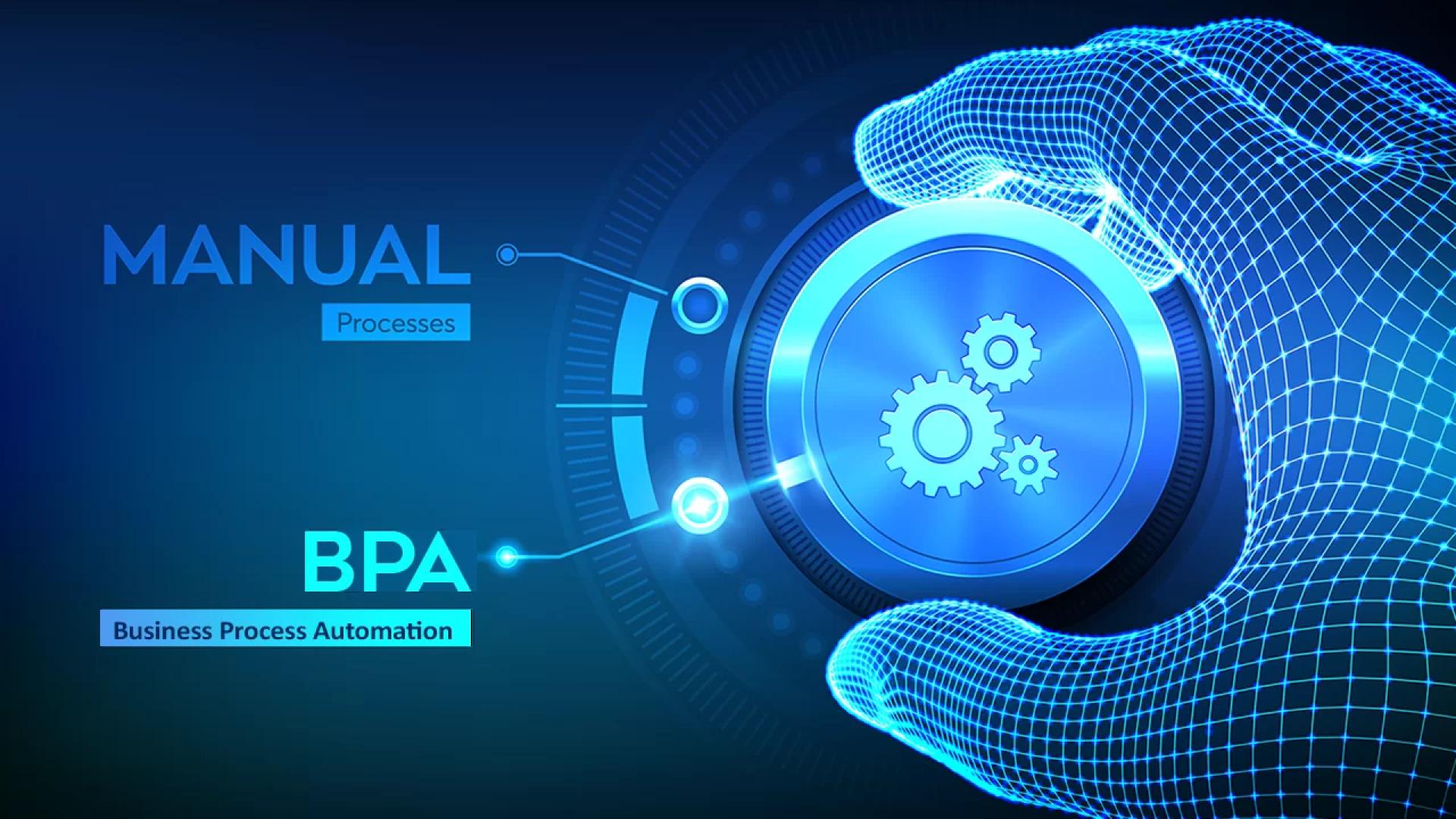

Across the UAE and Qatar, many organizations are still running on processes that were never designed for scale. Approvals move through email chains, data is re-entered across multiple systems, and teams spend hours chasing updates instead of doing meaningful work.
These issues aren’t caused by a lack of technology. They exist because processes have grown organically over time—patched, adjusted, and stretched to keep up with business demands. This is exactly where business automation consulting comes in.
Automation, when approached thoughtfully, helps organizations move away from manual workarounds and toward systems that are easier to manage, easier to audit, and easier to grow with.
Why Manual Workflows Are Holding Businesses Back
Manual workflows often feel manageable—until they aren’t.
As organizations in the UAE and Qatar grow, common problems begin to surface:
- Approvals take too long and lack visibility
- Errors increase as workloads rise
- Compliance becomes harder to track
- Reporting depends on spreadsheets and manual reconciliation
- Knowledge is locked in people’s inboxes, not systems
At a certain point, these inefficiencies stop being inconvenient and start becoming a risk. Automation isn’t about replacing people; it’s about removing friction from how work flows through the organization.
What Business Automation Consulting Actually Involves
Business automation consulting is not about installing a tool and hoping it fixes everything. It’s a structured process that begins with understanding how work gets done today.
A typical consulting engagement includes:
- Reviewing existing workflows across teams
- Identifying bottlenecks, delays, and duplicate effort
- Redesigning processes with clarity and accountability
- Introducing automation where it genuinely adds value
- Integrating systems so information flows automatically
The focus is always on practicality. Good consultants don’t over-engineer solutions—they simplify.
Why UAE & Qatar Organizations Are Turning to Automation Now
Several regional factors are accelerating the move toward intelligent systems.
Growing Operational Complexity
Many enterprises operate across multiple entities, regions, or business units. Manual coordination doesn’t scale well in these environments.
Compliance and Governance Requirements
Automation improves consistency, traceability, and audit readiness—critical in regulated sectors.
Pressure on Cost and Efficiency
Automation reduces repetitive effort without adding headcount.
Leadership Demand for Visibility
Executives want real-time insight, not delayed reports built from spreadsheets.
Automation consulting helps organizations address all of these needs in a coordinated way.
Moving Toward Intelligent Systems
Intelligent systems go beyond basic automation. They don’t just execute tasks—they support better decision-making.
Examples include:
- Automated approval workflows with built-in rules
- Systems that flag exceptions instead of processing everything manually
- Dashboards that update in real time
- Integrated platforms where data flows across departments
In practice, this means fewer handoffs, fewer errors, and fewer surprises.
Where Automation Is Making the Biggest Impact
In the UAE and Qatar, automation consulting is being applied across a wide range of industries.
- Government and semi-government entities use automation to streamline approvals and internal services.
- Financial institutions rely on automation to manage compliance, reporting, and onboarding.
- Energy and utilities automate procurement, operations, and performance tracking.
- Healthcare providers reduce administrative workload and improve data accuracy.
- Logistics and construction firms automate documentation, coordination, and internal workflows.
Each use case looks different, but the goal is the same: reduce manual effort and improve control.
What Organizations Gain from Business Automation Consulting
When automation is implemented with care, the benefits are easy to see.
Organizations typically experience:
- Faster turnaround times
- Fewer errors and rework
- Better compliance and audit trails
- Clear ownership of processes
- More time for teams to focus on meaningful work
Over time, automation also makes it easier to adapt. Processes become clearer, systems become more flexible, and change becomes less disruptive.
Choosing the Right Automation Consulting Partner
The success of any automation initiative depends heavily on who leads it.
A strong consulting partner will:
- Take time to understand your business before proposing solutions
- Be realistic about what should—and shouldn’t—be automated
- Design systems that fit into existing operations
- Support users through change, not just implementation
- Stay involved after go-live to refine and improve
Automation works best when it’s treated as an ongoing capability, not a one-time project.
Common Challenges (and How to Avoid Them)
Automation projects often run into trouble when:
- Processes aren’t clearly defined
- Stakeholders aren’t aligned
- Systems don’t integrate cleanly
- Change management is overlooked
These challenges are avoidable. Experienced consultants address them early by focusing on process clarity, phased delivery, and user adoption.
The Future: From Automation to Intelligence
In the UAE and Qatar, the next phase of automation is already taking shape.
Organizations are exploring:
- AI-supported decision workflows
- Cross-department automation
- Low-code platforms for faster change
- Real-time monitoring and analytics
The shift isn’t just toward more automation—but toward smarter systems that adapt as the business evolves.
Conclusion
The move from manual workflows to intelligent systems is no longer optional for organizations in the UAE and Qatar. Business automation consulting provides a practical path forward—one that focuses on how work actually happens, not how it should look on paper.
When done right, automation doesn’t complicate operations. It simplifies them. And in doing so, it creates the foundation for sustainable growth, stronger governance, and better day-to-day work.



















Sign in to leave a comment.