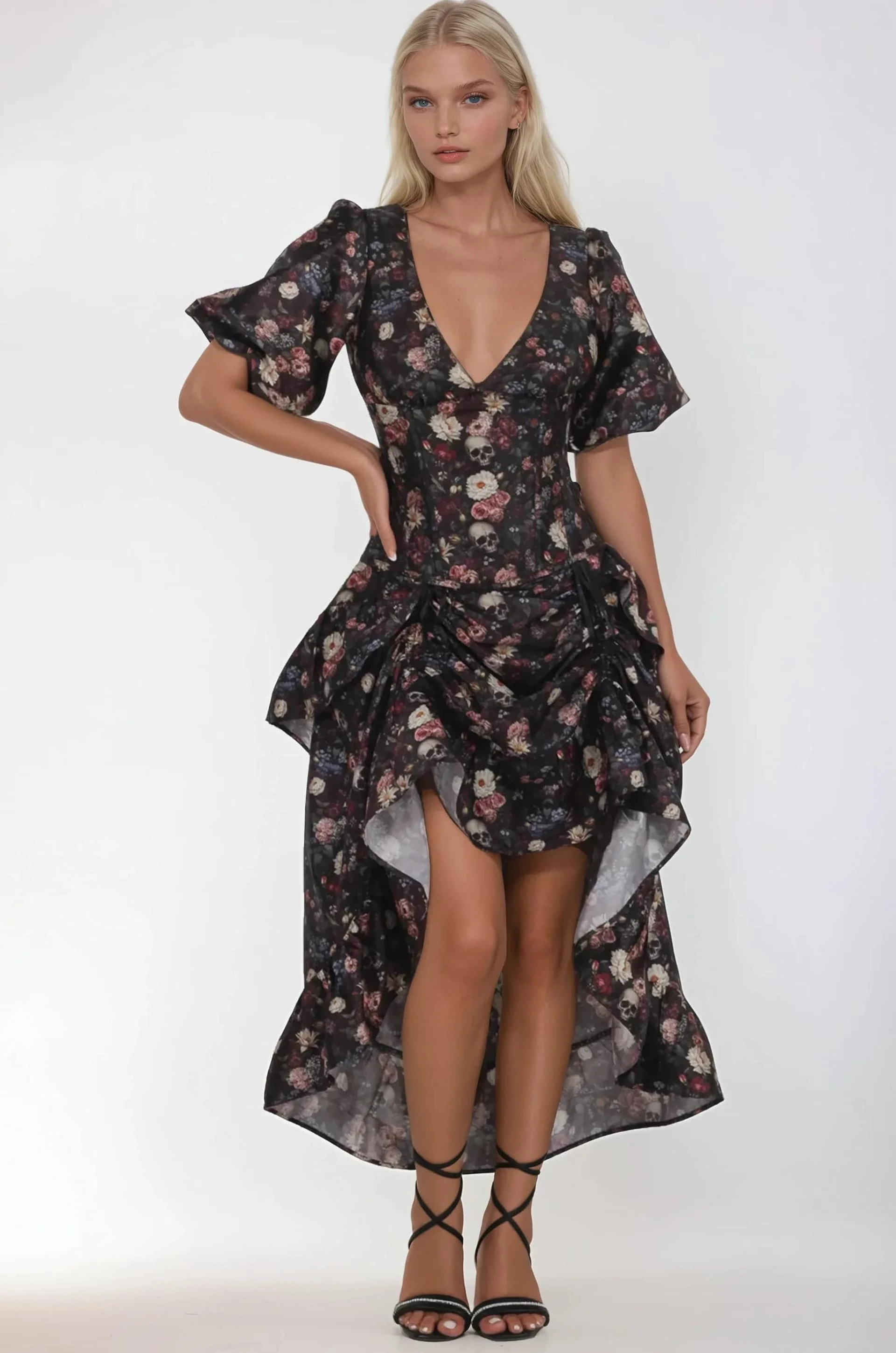

The art of corsetry has evolved over centuries, yet one principle remains unchanged: the perfect corset begins with a perfect fit. In an age of mass production, the appeal of a corset custom made to measure lies in its precision, craftsmanship, and ability to reflect the wearer’s unique body and style. Unlike ready to wear options, a custom corset is not simply a garment. It is a carefully engineered piece created through skill, patience, and attention to detail.
This article takes an in depth look at how custom corsets are made, tracing the journey from initial measurements to the final masterpiece. It highlights the techniques, decisions, and artistry involved in creating a corset custom made to measure, offering insight into why this process continues to be valued in modern fashion.
Understanding the Purpose of a Custom Corset
Why Custom Fit Matters
Every body is different, with its own proportions, curves, and posture. A corset custom made to measure is designed to accommodate these differences rather than force the body into a standard size. This personalized approach ensures comfort, support, and a flattering silhouette.
Custom corsets are often chosen for their ability to enhance confidence. When a garment fits precisely, it moves with the body rather than restricting it. This balance between structure and comfort is the foundation of quality corsetry.
Beyond Aesthetics
While appearance plays an important role, custom corsets also focus on function. Some are created for special occasions, others for daily wear, and some for posture support or styling versatility. Understanding the intended purpose helps guide every step of the creation process.
The Measurement Process
Taking Accurate Body Measurements
The journey of a corset custom made to measure begins with detailed measurements. This step is critical, as accuracy determines how well the final piece will fit. Measurements typically include bust, underbust, waist, hips, torso length, and additional points that reflect the body’s natural shape.
Measurements are taken carefully to account for posture and movement. This ensures that the corset will feel comfortable not only when standing still but also during daily activities.
Understanding Proportions and Shape
Beyond numbers, proportions matter. Two individuals with the same measurements may have very different body shapes. Skilled corset makers consider torso length, curve distribution, and overall balance to create a design that complements the wearer.
This attention to shape allows the corset to enhance natural lines rather than distort them.
Designing the Custom Corset
Translating Measurements into a Pattern
Once measurements are finalized, they are transformed into a custom pattern. This pattern serves as the blueprint for the corset. Unlike standard patterns, a made to measure design is adjusted panel by panel to reflect the wearer’s dimensions.
Each panel is shaped to work in harmony with the others. This step requires technical expertise, as even small adjustments can significantly affect fit and comfort.
Choosing the Corset Style
Design decisions are made early in the process. These include the corset length, neckline, and overall silhouette. Whether the goal is subtle shaping or dramatic definition, the design must align with both the wearer’s preferences and body structure.
The chosen style influences everything from boning placement to fabric selection.
Selecting Materials and Components
Fabric Selection
Fabric plays a crucial role in both function and appearance. Strong yet breathable materials are often chosen for the inner layers to provide support. Outer fabrics may range from simple cotton blends to luxurious satin or textured materials, depending on the desired look.
A corset custom made to measure relies on fabrics that hold shape while remaining comfortable against the skin.
Boning and Structural Elements
Boning provides the structure that defines a corset. The type and placement of boning are carefully planned to support the body without causing discomfort. Flexible options allow movement, while sturdier elements offer shaping and stability.
Other components, such as eyelets and lacing, are selected for durability and ease of adjustment.
Cutting and Preparing the Pieces
Precision in Fabric Cutting
Once the pattern and materials are ready, fabric cutting begins. Each panel is cut with precision, following the custom pattern exactly. Accuracy at this stage ensures that the panels align correctly during assembly.
Careful cutting minimizes errors and preserves the integrity of the design.
Preparing Inner Layers
Corsets often include multiple layers for strength and comfort. Inner layers are prepared to reinforce the structure, while outer layers focus on appearance. These layers work together to create a balanced garment.
Preparation at this stage sets the foundation for durability and long term wear.
Assembling the Corset
Constructing the Panels
The individual panels are sewn together in a specific sequence. This step requires patience and skill, as seams must be strong and smooth. The alignment of panels affects how the corset shapes the body.
During assembly, adjustments may be made to refine fit and ensure consistency.
Inserting Boning and Structure
Boning channels are created and the boning is inserted carefully. Placement is crucial, as it determines how the corset supports and contours the body. Proper insertion prevents twisting and ensures comfort.
This stage transforms the corset from flat fabric into a three dimensional form.
Fittings and Adjustments
The Importance of Test Fittings
A key advantage of a corset custom made to measure is the opportunity for fittings. A test fitting allows the maker to assess how the corset sits on the body and identify areas for adjustment.
Small refinements at this stage can greatly enhance comfort and appearance.
Refining the Fit
Adjustments may involve altering seams, redistributing boning, or fine tuning the waist and bust areas. These changes ensure that the corset feels supportive without pressure points.
This process reflects the collaborative nature of custom work, where precision meets personalization.
Final Finishing Touches
Adding Closures and Details
Once the fit is perfected, final details are added. Eyelets are set, lacing is threaded, and closures are secured. These elements are essential for both function and ease of wear.
Decorative touches may also be applied, depending on the design.
Quality Inspection
Before completion, the corset undergoes careful inspection. Seams, structure, and finish are checked to ensure durability and comfort. This final review ensures that the corset meets the standards expected of a made to measure garment.
The Value of a Corset Custom Made to Measure
Craftsmanship and Longevity
A custom corset represents hours of skilled labor and attention to detail. This craftsmanship results in a garment designed to last, both in quality and style. Unlike mass produced pieces, a made to measure corset is created with longevity in mind.
A Personal Fashion Investment
Beyond practicality, a corset custom made to measure is a personal investment. It reflects the wearer’s individuality and celebrates their unique shape. The experience of wearing a garment designed specifically for one’s body is both empowering and rewarding.
Conclusion
From the first set of measurements to the final finishing touches, the creation of a custom corset is a journey of precision, artistry, and care. Every stage is guided by the goal of achieving a flawless fit and a beautifully structured garment. A corset custom made to measure stands as a testament to the enduring value of craftsmanship in modern fashion.
For those who appreciate the transformation of careful measurements into a true wearable masterpiece, LuxeNoirStudio represents a commitment to refined corsetry and thoughtful design rooted in timeless elegance.
























Sign in to leave a comment.