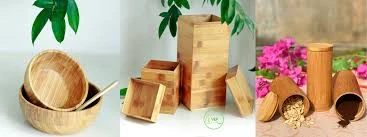

In recent years, there has been a growing awareness of the need for sustainable and eco-friendly products. As the world faces environmental challenges, consumers are increasingly seeking alternatives that have a positive impact on the planet. One such solution that has gained significant attention is bamboo eco products. Bamboo, a fast-growing grass, has proven to be an excellent renewable resource and a viable alternative to traditional materials. In this article, we will explore the various reasons why bamboo eco products are becoming the future of sustainable living.
1. The Eco-Friendly Nature of Bamboo
Bamboo stands out as an eco-friendly alternative to many conventional materials due to its rapid growth and low environmental impact. Unlike trees, bamboo can be harvested every three to five years without causing deforestation. Additionally, bamboo does not require harmful pesticides and fertilizers to grow, making it a more sustainable option for the environment.
2. Biodegradability and Reduced Waste
One of the most compelling reasons why bamboo eco products are gaining popularity is their biodegradability. Unlike plastic and other non-biodegradable materials, bamboo products decompose naturally, leaving behind minimal waste. This characteristic is vital for reducing the burden on landfills and promoting a circular economy.
3. Strength and Durability
Bamboo is not only environmentally friendly but also remarkably strong and durable. Its natural fibers create products that are robust and long-lasting, making them a reliable choice for everyday use. From bamboo furniture to kitchenware, these products offer longevity and reduce the need for frequent replacements.
4. Versatility in Design
Another reason behind the rising popularity of bamboo eco products is their versatility in design. Bamboo can be crafted into various shapes and forms, allowing for a wide range of products suitable for home and personal use. From stylish home decor to eco-friendly utensils, bamboo's adaptability has won the hearts of designers and consumers alike.
5. Carbon Sequestration
Bamboo plays a significant role in carbon sequestration, which helps combat climate change. As bamboo grows, it absorbs a substantial amount of carbon dioxide from the atmosphere, acting as a carbon sink. This quality makes it an essential element in environmental conservation efforts.
6. Water and Soil Conservation
Unlike many traditional crops, bamboo requires minimal water and does not deplete soil nutrients. It is an excellent choice for regions facing water scarcity and soil degradation, as it can thrive in a variety of environments without putting additional strain on precious resources.
7. Antibacterial Properties
Bamboo has natural antibacterial and antifungal properties, making it a safe and hygienic choice for various applications. Products like bamboo cutting boards and kitchen utensils offer a cleaner and healthier option for food preparation and consumption.
8. Contribution to Rural Economy
The cultivation and processing of bamboo products have a positive impact on the rural economy. Bamboo is often grown in rural areas, providing income and employment opportunities for local communities. As demand for bamboo eco products increases, it fosters sustainable livelihoods in these regions.
9. Reduced Carbon Footprint in Manufacturing
Compared to the production of materials like steel, plastic, or concrete, the manufacturing process of bamboo products generates a significantly lower carbon footprint. This makes bamboo an attractive choice for conscious consumers looking to reduce their environmental impact.
10. Aesthetically Pleasing and Unique
Bamboo products bring a touch of nature to our homes and daily lives. Their aesthetically pleasing designs and unique textures add a sense of warmth and authenticity to living spaces, creating a harmonious blend between nature and home.
11. Support for Biodiversity
The cultivation of bamboo forests supports biodiversity by providing habitat and food for various species. Unlike monoculture plantations, bamboo forests create thriving ecosystems that contribute to the overall health of the environment.
12. Adaptability to Climate Change
As climate change brings unpredictable challenges, bamboo's resilience proves valuable. Its ability to withstand extreme weather conditions, such as floods and droughts, makes it a dependable resource in uncertain times.
13. Cost-Effectiveness
In addition to its eco-friendly qualities, bamboo products are often cost-effective compared to other alternatives. Their reasonable pricing makes them accessible to a broader range of consumers, further encouraging the shift towards sustainable living.
14. Educational and Awareness Impact
Bamboo eco products also play a crucial role in raising awareness about sustainability and environmental conservation. By choosing bamboo products, consumers actively support the message of eco-friendliness, encouraging others to follow suit.
15. Conclusion
In conclusion, bamboo eco products offer a multitude of advantages that make them the future of sustainable living. From their eco-friendly nature and biodegradability to their strength, versatility, and positive impact on the environment, bamboo products stand out as an excellent alternative to conventional materials. As the world continues to prioritize environmental preservation, embracing bamboo eco products can significantly contribute to a greener and more sustainable future for generations to come.









Sign in to leave a comment.