

Aluminum continues to be one of the few metals available that is lightweight, corrosion resistant, and has a wide range of applications from aerospace to automotive to consumer electronics. Now, there is another branch of aluminum manufacturing that is beyond traditional casting and machining: aluminum additive manufacturing. Using Powder 3D Printing, engineers are able to produce high-performance aluminum parts with freedom of design that traditional processes do not allow.
In this blog, we will take you through the lifecycle of aluminum materials from powder to advanced additive manufactured components, novel advances driving the technology, and the implications for the future of manufacturing.
The Expansion of Aluminum Additive Manufacturing
The design and materials production landscape has been irrevocably changed by the advent of additive manufacturing (3D printing). Additive manufacturing creates parts layer by layer from a digital model, as opposed to removing material.
This is especially useful for aluminum materials, where it aids in weight savings and precision.
The aluminum powder undergoes a sintering process, fusing the powder using a high-energy laser or electron beam source. The resulting parts are solid and functional, with properties expected of aluminum parts.
Additive manufacturing for aluminum is an appealing option because it offers high strength-to-weight ratio, low density, with high strength. The use of aluminum continues to expand in industries such as aerospace structures, electric vehicles, drones, and high-performance electronic devices due to demand for lower-weight, structurally sound components.
From Powder to Part: The Process
There are typically five main steps in a powder 3D printing process for aluminum:
1. Powder Production – High-quality aluminum powders are created using atomization or gas atomization, producing spherical particles that are consistent in size and flowability.
2. Layering – A thin layer of aluminum powder is spread across the build plate.
3. Selective Melting – A laser or electron beam selectively melts the powder based on the digital design.
4. Layer By Layer Process – The process repeats itself until the part is fully complete.
5. Post Processing – The part is heat treated, machined, and finished to bring it to final specifications.
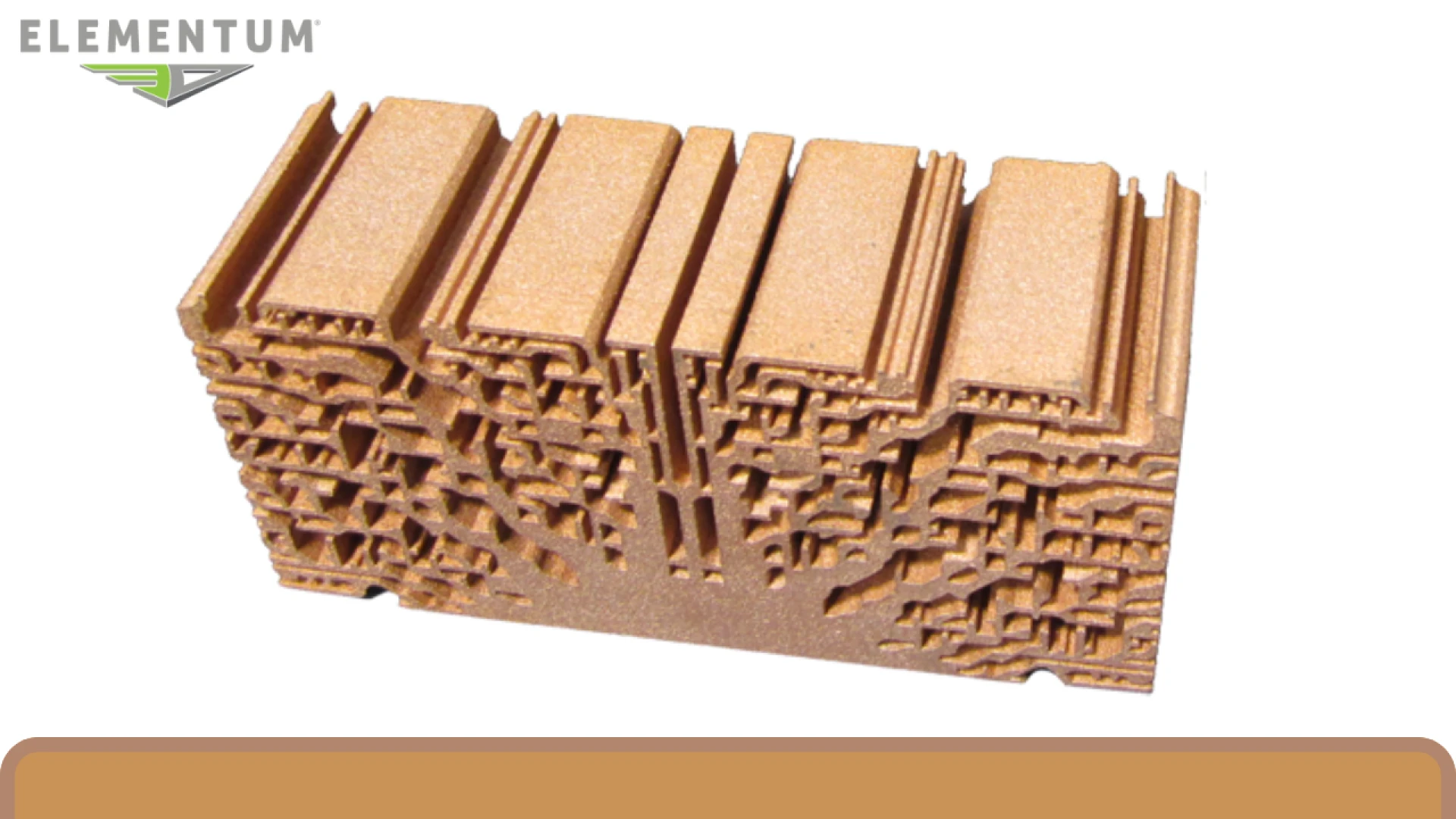
This precision allows designers to create complex geometries, internal channels, and a lightweight lattice structure -- things that cannot be achieved by machining solid blocks of aluminum.
Important Advancements in Aluminum Additive Manufacturing
Advances are being made in extending the possibilities of aluminum 3D printing:
1. Better Alloys: Rather than standard casting or machining grade, newly designed alloys can improve mechanical strength, heat tolerance, and corrosion resistance. The alloys print better than typical grades as well.
2. Improved Powder Properties: thanks to new advancements in powder processing, the powder produced has improved consistency in dimensions, decreased porosity, and has a very similar/consistent particle size.
3. More Reliable Process/Optimization: Real-time data and closed-loop controls on next gen 3d printers help provide a more reliable process with less variability and defects, and increased repeatability.
4. Hybrid manufacturing using both additive manufacturing and subtractive manufacturing together allow an increased freedom of design and enhanced quality in surface finish through closely processed features.
Benefits Across Industries
The ability to transform aluminum powder into performance-focused parts is revolutionizing multiple sectors:
1. Aerospace: Lightweight parts reduce fuel usage and maximize payload efficiency. Complex cooling channels in turbine parts boost engine performance.
2. Automotive: For electric vehicle manufacturers, lightweight aluminum structures mean more battery range with safety.
3. Consumer Electronics: Custom lightweight components, housings, and heat sinks provide the best device performance.
4. Medical Devices: Lightweight aluminum is sometimes biocompatible and is used in surgical tools or products that are made specifically for patients.
Future and Challenges
Aluminum additive manufacturing has experienced significant growth, but challenges still exist. Producing defect-free parts is possible if temperature, powder quality, and machine parameters are controlled and monitored with precision, which presents its own difficulty. A perceived limitation of additive manufacturing relates to the cost of parts in comparison to traditional manufacturing processes, which can be prohibitive in large-scale production operations.
However, there is a clear path forward. forward is clear. With ongoing research and collaboration between leading material scientists, machine manufacturers, and industry leaders, more efficient applications are being developed. As new aluminum-based materials designed specifically for additive processes will be available through commercialisation, aluminum parts will be increasingly adopted as a fixture in mainstream manufacturing.
Conclusion
The switch from powder-to-performance in aluminum 3D printing is an important milestone towards the future of manufacturing. Because aluminum additive manufacturing and powder 3D printing can create parts faster, stronger, lighter, and more importantly at the design stage with vital performance features with a higher standard of performance.
As these technologies move forward, aluminum will continue to play an important role in additive manufacturing and the future of aerospace, automotive, and industrial technologies. Building mechanisms for mass production of seamless products with aluminum will exist now, where they once seemed impossible. What seemed like science fiction may become an engineering standard sooner than we can imagine.










Sign in to leave a comment.