

Specialty coffee is more than just a beverage - it’s the culmination of a long and complex journey that starts with the cultivation of coffee plants and ends with the brewing and serving of a delicious cup of coffee. Understanding the supply chain of specialty coffee can help coffee enthusiasts and professionals alike appreciate the care, expertise, and collaboration that goes into every step of the process. In this blog post, we’ll take a journey through the specialty coffee supply chain, from seed to sip.
The coffee supply chain begins with the cultivation of coffee plants, which typically grow in warm, tropical climates. The two main species of coffee plants are Arabica and Robusta, with Arabica being the more prized and expensive of the two due to its complex flavor profile and delicate cultivation requirements. Coffee plants take several years to mature and produce cherries, which contain the coffee beans. During the growing season, farmers must carefully monitor the health of their plants, protect them from pests and disease, and ensure they receive the right amount of sunlight, water, and nutrients. This is the foundation of speciality coffee, and any misstep in cultivation can lead to negative impacts on the final product.
Once the coffee cherries are ripe, they are picked and sorted by hand, usually by experienced workers who know how to select only the best cherries for processing. The cherries then go through a process called “pulping”, which removes the outer layers of skin and fruit to reveal the beans inside. At this stage, there are two main methods: dry processing and wet processing. Dry processing involves leaving the cherries to dry in the sun, while wet processing involves washing the beans and then fermenting and drying them. Each method has its own unique advantages and challenges, and specialty coffee producers often choose one or the other depending on the characteristics they want to highlight in the final product.
Once the beans are dried and separated from the fruit, they are ready for export to roasters and buyers around the world. This is where the complex global supply chain of specialty coffee really comes into play. Coffee beans are typically traded on commodity exchanges, with prices determined by supply and demand. However, specialty coffee beans are often sold through direct trade or relationship-based sourcing, where roasters work directly with growers to purchase their beans at fair prices and build long-term partnerships. This is the stage where social and environmental standards are often assessed to ensure sustainable and ethical practices.
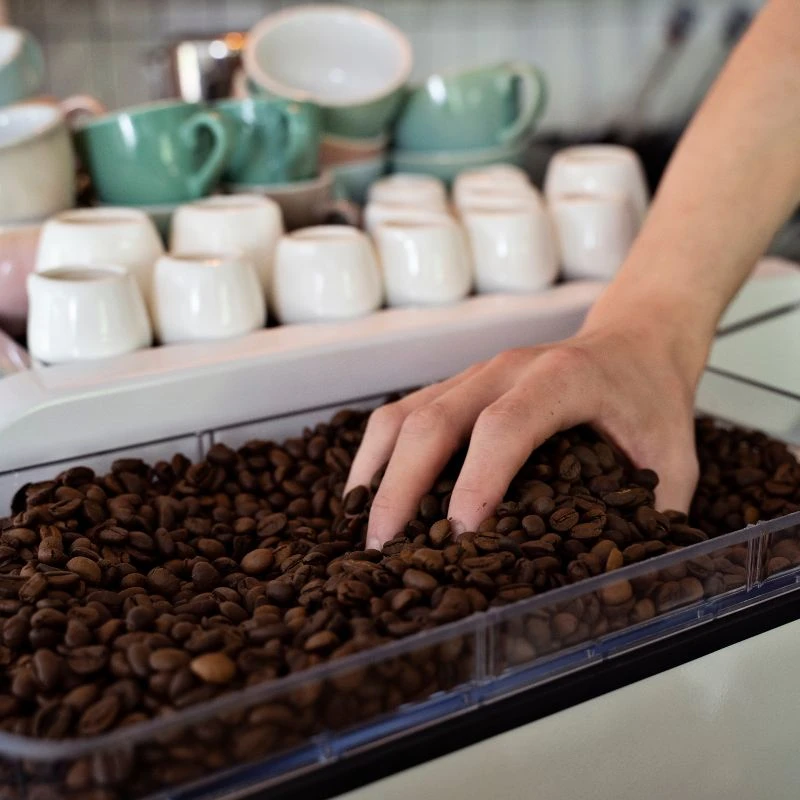
After the beans are purchased, they are roasted by skilled professionals who use a combination of science and art to bring out the unique flavor profile of each bean. Roasting involves heating the beans to a specific temperature and time, which brings out the natural oils and flavors. Roasters often have a specific style or approach that they use to develop their roasts, and the same bean can taste vastly different depending on the roasting method used.
Finally, the roasted beans are brewed into a delicious cup of coffee by baristas and coffee enthusiasts around the world. The brewing method can also affect the taste and quality of the final product, with different methods such as drip, pour-over, or espresso resulting in different characteristics.
Understanding the journey of specialty coffee from seed to sip is important for anyone who wants to fully appreciate the care, expertise, and collaboration that goes into each cup. By supporting sustainable and ethical practices at every stage of the supply chain, we can help ensure the continued success and growth of the specialty coffee industry for years to come.









Sign in to leave a comment.