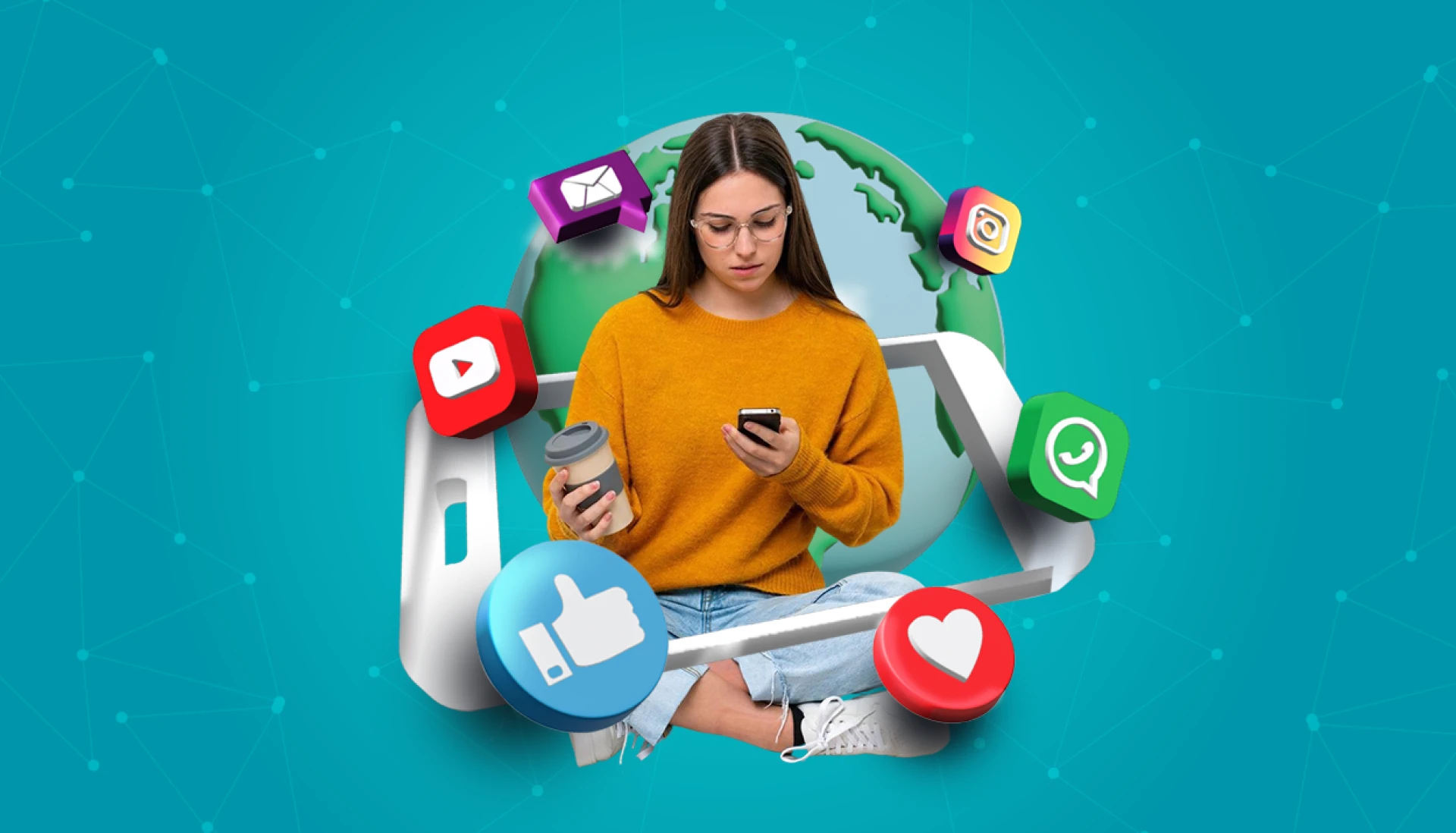

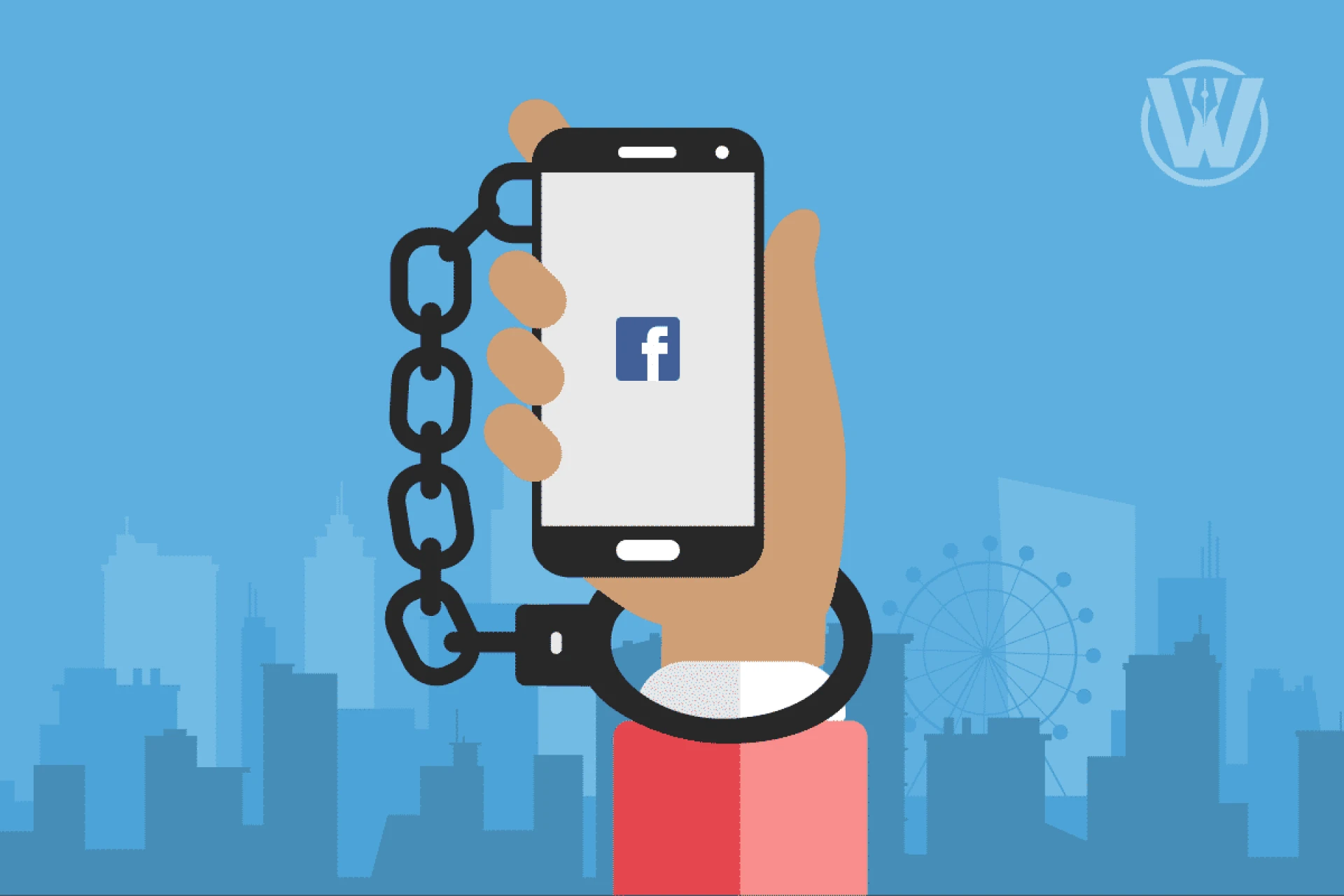
Have you ever checked your phone without even realizing it? You’re not alone. In fact, the average person picks up their phone 96 times a day—about once every 10 minutes. Most of those checks? You guessed it—social media.
From morning scrolls on Instagram to late-night TikTok binges, our days are stitched together with constant digital interruptions. But what’s the real cost of this connectivity? Is social media helping us stay informed and inspired—or is it quietly disrupting our focus, mental health, and relationships?
At The Panel Station (TPS), we surveyed users across 40+ countries to find out how social media is really affecting people’s personal and professional lives in 2025. The insights? Eye-opening, complex, and surprisingly relatable.
We're Spending More Time Online Than We Think
That “quick scroll” adds up. Globally, the average user now spends nearly 2.8 hours per day on social media. That’s more time than most of us spend eating or exercising.
In India, over 40% of users reported using social media for 1–2 hours daily—roughly the length of a full movie. The U.A.E., on the other hand, saw even higher usage, highlighting how digital engagement patterns vary widely across regions.
Platform Wars: What Are We Using Most?
Different platforms serve different needs:
- Facebook continues to dominate globally, especially in the U.S., where 81.8% of respondents still actively use it to stay connected with family and friends.
- Instagram is the go-to for visual storytelling and lifestyle inspiration.
- X (formerly Twitter), while widely known, was used by only 5.73% of respondents—primarily as a news source.
- LinkedIn, with a global user base of 4.8%, remains the favorite for professionals seeking jobs or industry insights.
Career Growth or Constant Distraction?
Social media’s influence on careers is a double-edged sword. On the upside, 50.85% of users said social media had positively impacted their professional lives. Think job offers via LinkedIn, personal brands built on Instagram, or freelance gigs found through digital networking.
However, 13.53% admitted social media is their top workplace distraction. In France, this number jumped dramatically, with 56% of respondents calling it the main productivity killer. Others—30.4% globally—sat somewhere in the middle, acknowledging both the benefits and the distractions that social media brings to their workday.
Social Media and Productivity: A Tug of War
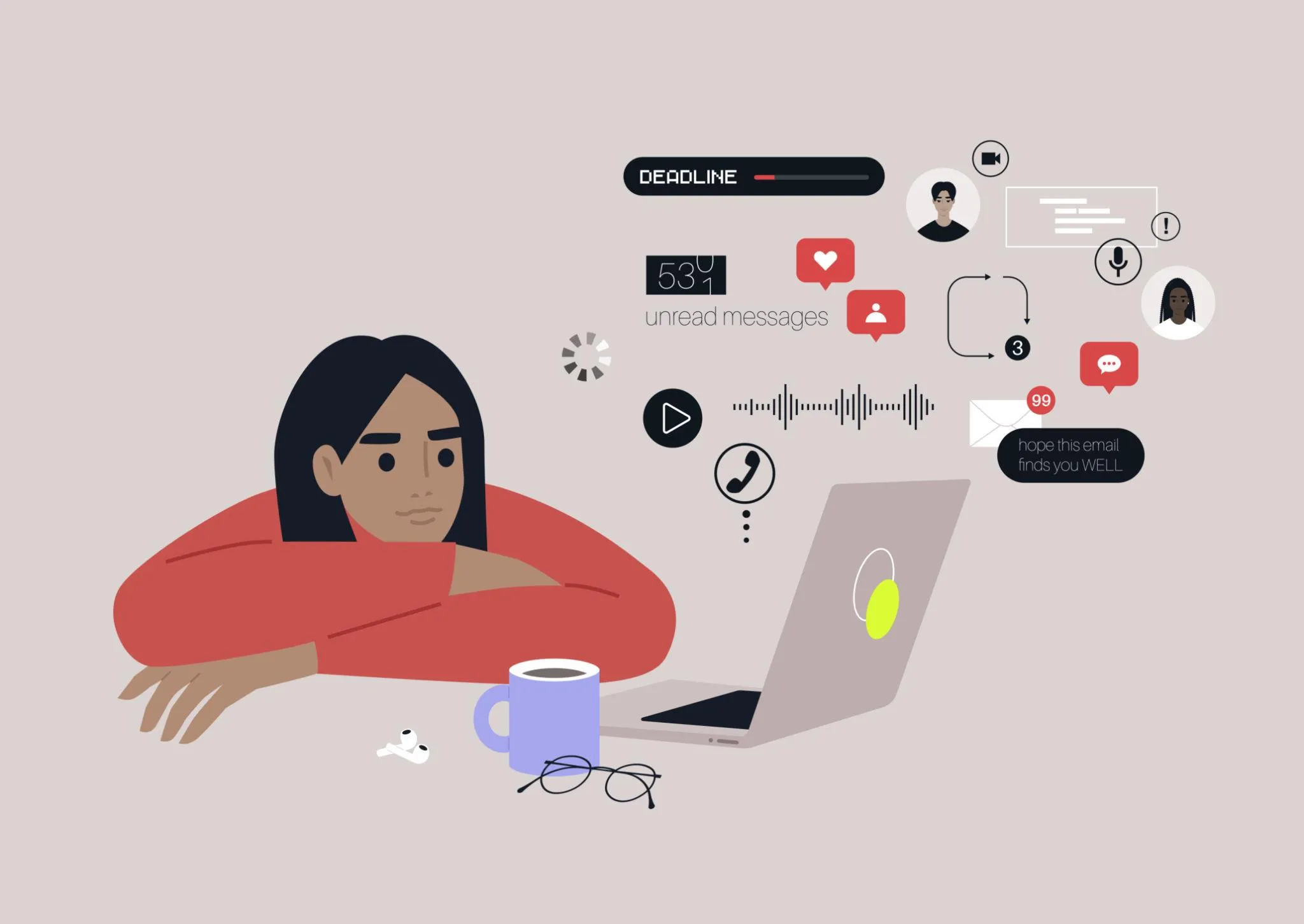
The modern workplace is full of distractions, and social media tops the list. From push notifications to the urge to check for updates, it’s easy to lose focus—even during critical tasks.
Interestingly, people in the U.A.E. seem to have struck a balance, largely saving social media use for breaks. Meanwhile, in the U.S. and U.K., more users admitted to freely browsing during work hours. In India, many professionals are taking proactive steps, setting app limits and boundaries to reduce interruptions.
The takeaway? Managing digital distractions is becoming a core skill in modern workplaces.
Mental Health: The Hidden Costs of Scrolling
Beyond productivity, social media is also shaping how we feel about ourselves and the world. From comparison fatigue to FOMO (fear of missing out), our mental well-being is more influenced by our feeds than we realize.
- In the U.A.E., 0% of users reported feeling anxious from social media—a rare and positive statistic.
- In India, only 1.04% felt negatively impacted, while over 60% found social media entertaining.
- The U.S. and U.K. saw slightly higher reports of negative emotions, but still relatively low.
Even though the majority feel entertained or neutral, it’s important to acknowledge that idealized posts and non-stop content can quietly erode self-esteem and focus.
Managing the Madness: Tips for Digital Well-being
If you’re feeling overwhelmed by your screen time, you’re not alone. The first step to reclaiming control is awareness. Start by checking your average daily usage—then try implementing these simple habits:
- Set daily time limits using your phone’s built-in tools.
- Use productivity apps that block distracting platforms during work.
- Only check social media during breaks, not during tasks.
- Engage intentionally—follow accounts that inspire or inform you.
- Review your habits weekly and adjust to stay aligned with your goals.
These small shifts can make a big difference in how productive and mentally present you feel.
Final Thoughts: You’re in Charge of Your Digital Life
Social media isn’t inherently good or bad—it’s a tool. One that, when used intentionally, can enhance your career, keep you connected, and provide valuable entertainment. But when left unchecked, it can drain your time, scatter your focus, and impact your mental well-being.
So, is social media helping or hurting your work and personal life? The truth is: it depends on how you use it.
The future belongs to those who can find balance—those who can enjoy the perks of connectivity while staying grounded in the real world. You don’t have to quit social media. You just have to be smarter about it.
Discover full blog here at The Impact of Social Media on Work and Personal Life: Is it Helping or Hurting?




















Sign in to leave a comment.