
Introduction to Pay Per Call Marketing
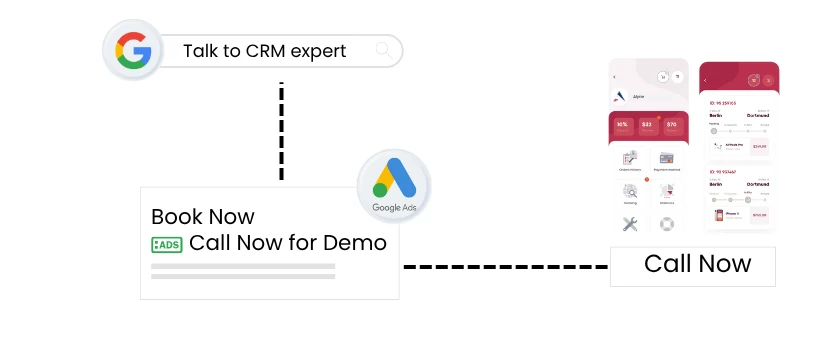
In today’s competitive digital landscape, pay per call marketing has emerged as a highly effective way for businesses to generate high-value customer interactions. This strategy goes beyond simply driving clicks by focusing on connecting potential customers with businesses through phone calls. For industries that rely on personalized service and one-on-one communication, such as healthcare, home services, and legal firms, this approach offers a unique advantage.
Pay per call lead generation focuses on attracting qualified prospects who are ready to engage in a meaningful conversation. These leads are often further along in their decision-making process compared to those generated through other marketing channels. By targeting users who are actively seeking solutions, businesses can increase the likelihood of securing conversions.
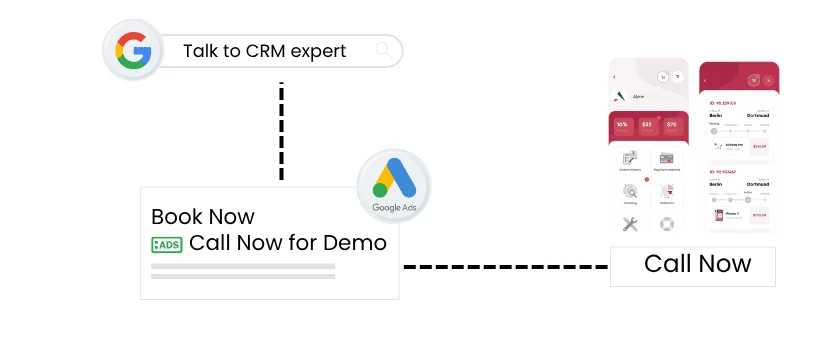
Additionally, pay per call marketing allows for better tracking and attribution of leads, as every call provides actionable data about customer behavior and campaign effectiveness. This insight helps businesses allocate their resources more efficiently and fine-tune their marketing strategies to target their ideal audience. The combination of high-intent leads and measurable outcomes makes this strategy particularly appealing to businesses aiming to maximize their return on investment.
When executed correctly, pay per call marketing can drive significant growth by fostering direct, meaningful interactions with potential customers who are most likely to convert. This approach empowers businesses to establish stronger connections with their audience while increasing revenue opportunities.
Optimizing Landing Pages for Conversions
To drive better conversions, your landing page should immediately capture a visitor’s attention and provide a seamless user experience. Start by using a visually appealing design that aligns with your brand while ensuring fast load times to prevent visitors from leaving prematurely. Keep the content concise and focused, highlighting the unique value your business provides. Use headlines and subheadings to break up text, making it easier for users to scan and absorb key information.
Trust elements like customer reviews, industry certifications, or service guarantees can help build credibility and encourage visitors to take the next step. Ensure all contact information is easy to find and prominently displayed. For businesses leveraging pay per call marketing, make the phone number highly visible, especially above the fold, to encourage immediate action.
A/B testing can further refine your landing page’s effectiveness. Test different variations of headlines, images, or CTAs to determine which combinations resonate most with your audience. Additionally, streamline any forms by asking only for essential information to reduce friction.
Design with mobile users in mind, as a significant portion of traffic now comes from smartphones. Features like responsive layouts and easily tappable buttons ensure a smooth experience across devices. Paying close attention to these details helps convert more visitors into high-quality leads.
Implementing Click-to-Call Features
Integrating click-to-call features into your digital strategy can significantly improve user engagement and drive more conversions. These interactive buttons simplify the process for users, eliminating the need to manually dial a phone number. For businesses focused on pay per call marketing, they act as a direct bridge between online visitors and your team, making it easier to capture high-quality leads.
Strategic placement of click-to-call buttons is crucial for their success. Position them in areas where users are most likely to make a decision, such as at the top of a landing page, within pricing sections, or next to service descriptions. Including these buttons in email campaigns and digital ads can also extend their reach to broader audiences. The design should emphasize accessibility—use bold colors, legible text, and a clear call to action to make the feature stand out.
Mobile compatibility is especially critical when implementing this feature, as a large percentage of calls originate from smartphones. Click-to-call buttons should be easy to tap, load quickly, and integrate seamlessly into the overall website experience. Additionally, pairing this tool with tracking software allows businesses to monitor call performance and refine placement or messaging over time. By focusing on user convenience and data-driven decisions, you can ensure click-to-call features contribute meaningfully to your marketing efforts.
Leveraging Call Tracking and Analytics
Call tracking and analytics provide businesses with valuable insights into their marketing campaigns by capturing detailed data about phone interactions. By analyzing call sources, businesses can identify which marketing channels and campaigns are driving the highest-quality leads. This enables marketers to allocate budgets more effectively and focus on strategies that deliver the best results. Call tracking also uncovers patterns, such as peak call times or geographic trends, allowing businesses to refine their outreach and tailor services to customer needs.
Additionally, advanced call analytics can assess the effectiveness of messaging by analyzing conversations. With features like call recording or AI-powered sentiment analysis, businesses can identify areas where their customer service or sales teams excel, as well as opportunities for improvement. Integrating call tracking with custom CRM development services provides a seamless way to manage lead data, track customer interactions, and measure long-term performance across all campaigns.
For businesses using click-to-call buttons, pairing them with call tracking ensures complete visibility into user behavior. This combination makes it possible to understand what motivates users to take action, whether it’s a specific ad, landing page, or offer. Tracking tools also allow businesses to monitor ROI from pay per call marketing efforts, ensuring campaigns remain cost-effective. This actionable data drives smarter decisions, helping businesses continuously improve and scale their efforts to connect with high-intent leads.
Real-World Examples and Success Stories
Businesses across various industries have demonstrated how pay per call marketing can significantly improve lead generation and customer engagement. A local HVAC company, for instance, revamped their online presence by implementing mobile-friendly landing pages with clear click-to-call buttons. This adjustment led to a 35% increase in qualified phone inquiries, allowing their team to focus on high-intent prospects.
Similarly, an e-commerce retailer utilized call tracking software to identify the most effective digital ad campaigns. By analyzing data from tracked calls, they were able to allocate their ad budget more efficiently, targeting customers who were more likely to convert through phone interactions. This strategy not only improved ROI but also enhanced customer satisfaction by tailoring service to their preferences.
A nationwide insurance provider successfully integrated custom CRM development services with their pay per call campaigns. This integration allowed them to track and analyze leads from the initial inquiry to final conversion, ensuring no opportunity was missed. The combination of data-driven decision-making and personalized follow-ups resulted in a significant boost in policy enrollments.
In another example, a legal consultation firm focused on refining their call scripts after reviewing recorded customer interactions. Insights from the recordings helped their team address client concerns more effectively, leading to a 20% improvement in conversion rates. These real-world applications underscore the impact of optimizing strategies for phone-based lead generation.
Actionable Tips for Increasing Call Conversions
To enhance call conversions, start by ensuring the phone number on your website is prominent and easy to locate, particularly on high-traffic pages. Use contrasting colors and clear fonts to make it stand out. Consider dynamic call tracking numbers to tailor your approach for different marketing campaigns, helping you identify what drives the most leads.
Incorporate personalized messaging in your marketing efforts, such as addressing specific customer pain points or emphasizing time-sensitive offers that encourage immediate action. Well-designed CTAs with action-driven language, like “Speak with an Expert Now,” can create a sense of urgency.
For businesses with multiple customer touchpoints, synchronizing efforts across channels ensures a consistent experience. Social media platforms, email marketing, and search ads can all direct users toward a phone call, provided they feature strong CTAs and are optimized for mobile users.
Leverage automation tools to route calls efficiently based on customer needs, reducing wait times and improving satisfaction. Additionally, train your team to handle inquiries professionally, focusing on building trust and rapport during the call.
Lastly, review performance data regularly to uncover trends, such as peak calling hours, and adjust your strategy accordingly. Keeping a close eye on metrics allows for continuous optimization, ensuring campaigns are fine-tuned for better results.
Conclusion and Next Steps
To achieve success in converting online traffic into valuable phone leads, businesses must focus on delivering seamless experiences that prioritize user convenience and engagement. Start by evaluating your customer journey and identifying areas where potential leads might drop off. This will help you make necessary adjustments to encourage more direct phone interactions.
Invest in tools like call tracking and custom CRM systems to gain detailed insights into customer behavior and campaign performance. These tools provide actionable data that can guide decision-making and allow for precise adjustments to your strategies. Additionally, fostering collaboration between marketing and sales teams ensures a unified approach when handling leads, enhancing the likelihood of successful conversions.
As digital landscapes evolve, it’s essential to stay updated on new trends and technologies that can support your pay per call marketing efforts. Experiment with fresh ideas and be willing to adapt based on performance metrics and user feedback. By continuously refining your efforts, you can maximize the potential of phone-qualified leads and create lasting connections with your customers.




























Sign in to leave a comment.