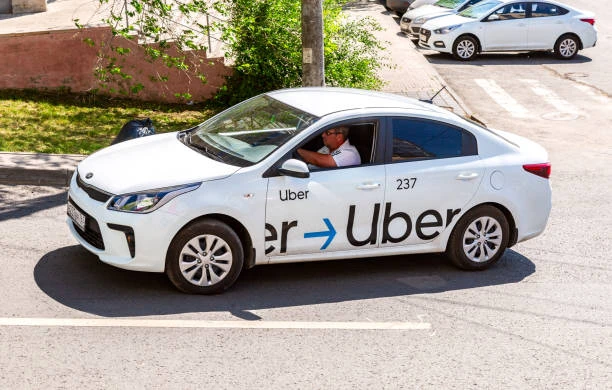

In an era where digital marketing is omnipresent, businesses are constantly seeking innovative ways to engage their target audience. One emerging and highly effective form of advertising is rideshare advertising. As rideshare services like Uber, Lyft, and others have become an integral part of everyday transportation, the opportunity to leverage these platforms for business promotion has grown exponentially. This article explores how rideshare advertising can fuel business growth and why it should be part of your marketing strategy.
What is Rideshare Advertising?
Rideshare advertising refers to placing ads in or on vehicles used by rideshare drivers. These ads can take various forms, such as digital screens, static vehicle wraps, or branded car accessories. The idea is to leverage the mobility of these vehicles to reach potential customers in different locations, particularly those who are on the move and may not be reached through traditional advertising mediums.
Types of Rideshare Advertising
Rideshare advertising can be categorized into several types, each with its benefits. These include:
- Vehicle Wraps: Full or partial wraps that cover the exterior of the car, showcasing branding and promotional messages.
- In-Vehicle Digital Ads: Screens inside the vehicle that display dynamic ads to passengers. These can be interactive and tailored to specific demographics.
- Seatback Advertising: Physical advertisements placed on the back of seats, usually in the form of posters or digital screens.
- Ride-Hailing App Ads: Ads placed on the ride-hailing app interface, targeting users who are booking rides.
By utilizing one or a combination of these formats, businesses can increase their visibility and create meaningful interactions with a highly engaged audience.
Why Rideshare Advertising is Effective
Rideshare advertising has a number of compelling advantages that make it a great choice for businesses seeking to drive growth. Below, we delve into the reasons why this form of advertising has gained traction in recent years.
Extensive Reach to a Mobile Audience
One of the biggest advantages of rideshare advertising is its ability to reach a highly mobile audience. Unlike traditional billboards or print ads, which are static and limited in their geographical scope, rideshare vehicles are constantly on the move, traveling through different neighborhoods and even across cities. This offers businesses the opportunity to expose their brand to a wide variety of potential customers in diverse locations.
Additionally, as passengers use rideshare services for various reasons—commuting to work, attending events, or traveling between meetings—advertisements in these vehicles reach people who are on the go, often in a more relaxed and receptive state than in other settings.
High Engagement Levels
Rideshare advertising can lead to higher levels of engagement compared to traditional advertising methods. For example, when ads are displayed on in-car screens or seatbacks, passengers often interact with them directly, especially if they’re visually appealing or interactive. Since passengers are typically spending time in the vehicle for 10 to 20 minutes or more, they have the opportunity to absorb the message fully.
This is particularly valuable for businesses looking to generate awareness or interest in a product or service. Furthermore, many passengers are highly receptive to in-vehicle advertising because they are not distracted by other activities, as they would be when watching TV or browsing the web.
Cost-Effective Advertising Solution
Rideshare advertising is also considered a cost-effective solution for many businesses, particularly small to medium-sized enterprises (SMEs). With relatively low setup costs compared to other forms of advertising such as TV or radio ads, businesses can achieve a significant amount of exposure at a fraction of the price. Additionally, since rideshare ads are dynamic and can be easily modified, they provide flexibility for advertisers to adjust campaigns based on performance or changing needs.
Highly Targeted Audience
Rideshare advertising allows businesses to target specific demographics based on where the vehicles are operating. For instance, if a business is located in a high-traffic area or caters to a particular audience (e.g., young professionals, tourists, or college students), rideshare advertising can be tailored to focus on these groups. This hyper-local targeting ensures that ads are more relevant to the people who are most likely to engage with them.
Moreover, some rideshare advertising companies offer additional data insights, allowing businesses to track the effectiveness of their campaigns based on location, times of day, and passenger demographics. This data-driven approach ensures that businesses are maximizing their return on investment.
Best Practices for Rideshare Advertising
To ensure that your rideshare advertising campaign delivers maximum impact, it’s essential to follow certain best practices. Below are a few key strategies to consider:
Ensure Consistency Across All Platforms
Consistency is key in any marketing campaign. Whether you’re using vehicle wraps, digital screens, or in-app advertising, your brand message, colors, and logo should be consistent across all platforms. This not only builds brand recognition but also creates a unified experience for potential customers, making your business more memorable.
Focus on Visual Appeal
The success of rideshare advertising depends heavily on its visual appeal. Because passengers are typically in a confined space with limited time, you need to capture their attention quickly. Utilize bold, eye-catching designs that convey your message clearly and concisely. Whether it’s a catchy slogan or a visually striking logo, your ads should stand out without overwhelming the viewer.
Target High-Traffic Areas
To maximize exposure, it’s essential to choose the right locations for your rideshare advertising campaign. High-traffic areas such as airports, business districts, or popular tourist spots are ideal for reaching a large and diverse audience. Working with a rideshare advertising company can help you identify areas where your target demographic is most likely to be, ensuring that your ads are seen by the right people.
Leverage Technology and Data
Digital screens inside rideshare vehicles offer the advantage of dynamic and real-time content. You can update the ads as needed based on time of day, weather, or promotions. Additionally, utilizing data analytics allows you to track the performance of your campaign, enabling you to make adjustments and improve results over time. Understanding which ads work best and why can optimize your strategy for future campaigns.
Case Studies of Successful Rideshare Advertising
1. Coca-Cola’s “Share a Coke” Campaign
Coca-Cola leveraged rideshare advertising as part of its “Share a Coke” campaign by placing digital screens inside vehicles. The campaign allowed passengers to interact with the ads, customizing them with their own names or the names of their friends. The result was a highly engaging experience that connected with passengers and reinforced the brand's message of sharing and togetherness.
2. Spotify’s Targeted Ads for Commuters
Spotify utilized rideshare advertising to target daily commuters by placing ads on ride-hailing app screens. By integrating location-based targeting, Spotify could ensure that the ads reached individuals in specific urban areas who were likely to be using the service to enhance their commute. The campaign saw significant growth in new user sign-ups, demonstrating the power of targeted rideshare advertising.
Conclusion
Rideshare advertising offers a unique and powerful way to fuel business growth by reaching highly engaged and mobile audiences. With the ability to target specific demographics, maximize exposure in high-traffic areas, and track performance in real time, rideshare advertising can provide businesses with an effective and cost-efficient marketing solution. By understanding best practices and taking advantage of new technologies, companies can create impactful campaigns that boost brand recognition and drive customer engagement.
Sign in to leave a comment.