

A full body workout can be a practical way to build strength, mobility, balance, and endurance without focusing on just one area. Instead of training individual muscles in isolation, this approach encourages the body to work as a connected system. Whether your goal is to move more comfortably, improve athletic performance, or feel stronger during daily activities, a balanced routine can make each session more purposeful.
Build a Full Body Workout Around Movement
The most effective full body workout routines usually include movements that target multiple muscle groups simultaneously. Squats, lunges, push-ups, rows, and controlled core exercises are useful examples. Combining different movement patterns can help build strength while teaching your body to coordinate its muscles more efficiently. Rather than rushing through many exercises, focus on performing each movement with control and good technique.
Prioritize Proper Form
Good form should come before heavier weights or faster repetitions. When your posture and movement are controlled, you can better target the muscles involved while reducing unnecessary strain. Start with a resistance level that allows you to complete each repetition comfortably. As your technique improves, gradually increase the challenge. This steady progression is often more productive than trying to do too much too soon.
Include Mobility in Your Routine
Strength is only one part of overall performance. Your joints also need enough mobility to move through comfortable ranges of motion. Adding dynamic stretches, gentle rotations, or mobility drills before and after training can help prepare your body for exercise. Better mobility may also make everyday movements, from bending to reaching, feel smoother and more natural.
Train Your Core for Better Control
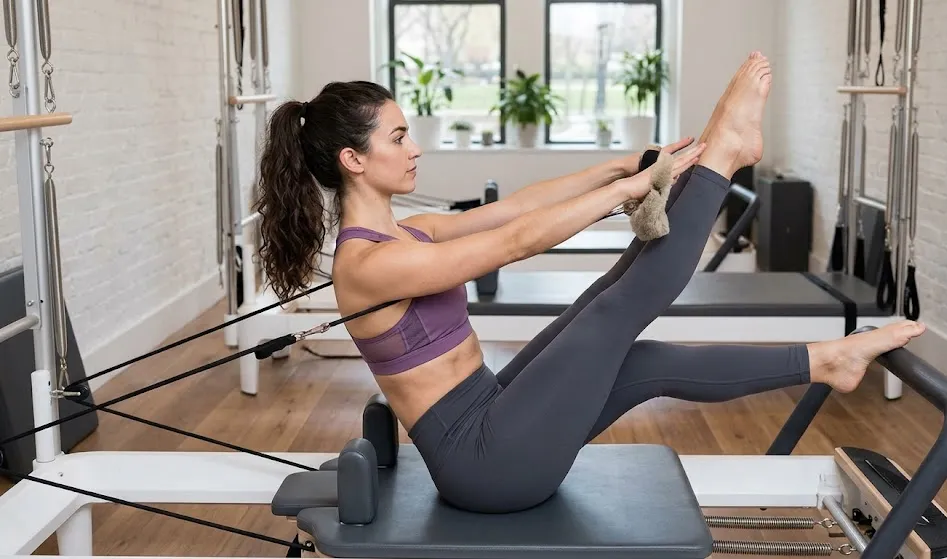
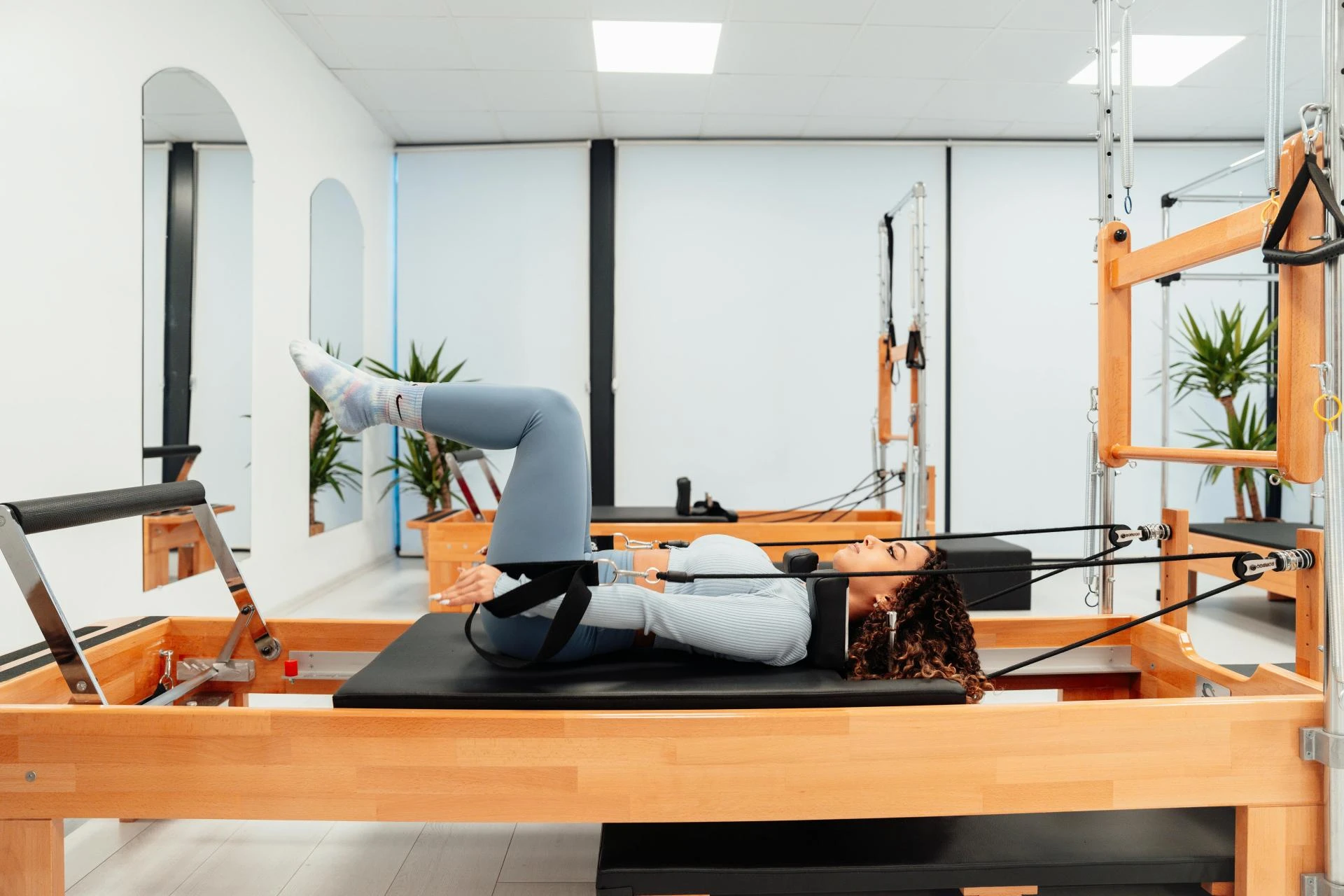
A strong core does more than create a stable midsection. It helps transfer force between your upper and lower body while supporting balance and posture. Exercises such as planks, dead bugs, bird dogs, and controlled leg movements can strengthen the muscles responsible for stability. Keep the emphasis on controlled breathing and steady movement rather than simply holding a position for as long as possible.
Improve Endurance Gradually
If you want better overall performance, cardiovascular conditioning should not be overlooked. You can add brisk walking, cycling, swimming, light jogging, or short intervals to your weekly routine. However, increase duration and intensity gradually. Giving your body time to adapt helps you maintain consistency while avoiding the fatigue that can make exercise difficult to sustain.
Make Recovery Part of Training
Progress does not happen only while you exercise. Rest allows your muscles and nervous system to recover from the demands of training. Aim for adequate sleep, regular hydration, and nutritious meals that support your activity level. If you notice persistent soreness or unusual fatigue, consider reducing your workout intensity and allowing additional recovery time.
Find a Routine You Enjoy
Consistency becomes easier when exercise fits naturally into your lifestyle. Some people prefer structured gym sessions, while others enjoy Pilates, outdoor activities, or home workouts. For example, I've found SOLOS Pilates Studio Fitness Goodland helpful for incorporating controlled movement and body awareness into a broader fitness routine. The key is choosing activities that keep you engaged rather than treating exercise as a short-term obligation.
Track Progress Beyond the Scale
Improvement can appear in many forms, including better balance, increased strength, improved stamina, easier movement, and greater confidence. Keep simple notes about your workouts so you can recognize gradual changes over time. When progress is measured by performance rather than appearance alone, it becomes easier to appreciate the benefits of staying active.
Keep Your Goals Realistic
Ultimately, improving overall fitness and performance comes down to developing healthy, sustainable habits. A balanced routine that combines strength training, flexibility, endurance, core stability, and proper recovery can help you achieve lasting results. Rather than expecting immediate progress, focus on consistency, gradual improvement, and listening to your body's needs. With dedication and the right approach, you can build strength, improve mobility, and enjoy a healthier, more active lifestyle.
Ready to take your fitness journey to the next level? Discover a more balanced approach to movement at SOLOS Pilates Studio Fitness Goodland, conveniently located at 5124 Hollister Ave., Santa Barbara, California. Whether you're beginning your fitness journey or looking to enhance your current routine, take the next step toward better strength, flexibility, and overall wellness. Call (805) 350-6502 to learn more and get started today!






















Sign in to leave a comment.