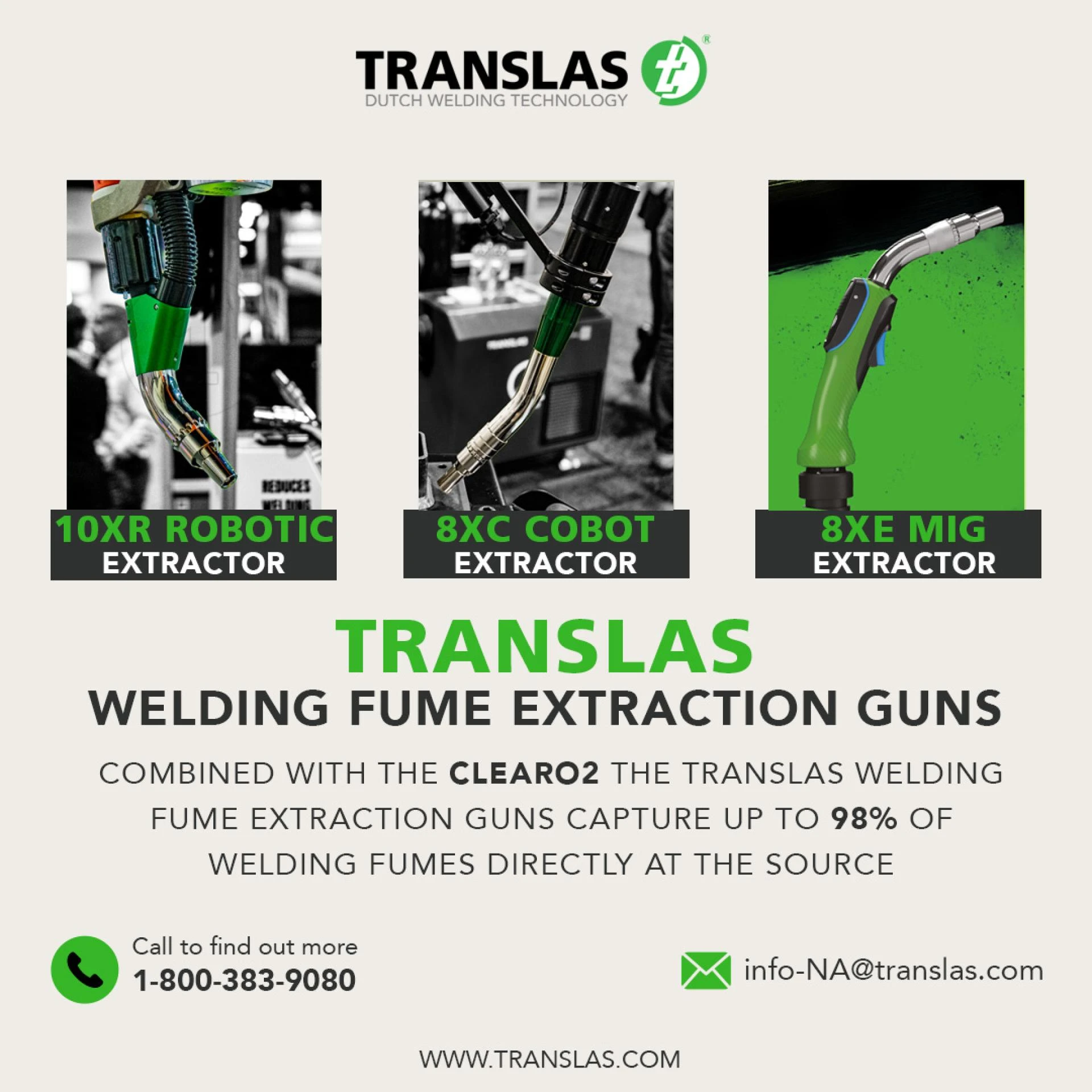

Welding fumes are a dangerous byproduct of welding, and the environment needs to be thoroughly cleaned up before the welder can leave for the day. This article will offer tips for choosing a fume extractor with features like capacity, filters, external ventilation, and more.
Why Fume Extraction Equipment is Necessary
Fume extraction equipment is necessary in order to remove harmful fumes and particulates from the air in industrial and commercial settings. Fume extractors can be used to remove welding fumes, soldering fumes, smoke, dust, and other airborne contaminants.
Fumes and particulates can pose a serious health hazard to workers in industries where they are present. Exposure to welding fumes has been linked to lung cancer, while exposure to soldering fumes has been linked to neurological damage. Smoke inhalation can also lead to respiratory problems.
Dust particles can cause irritation of the eyes, nose, and throat, and can also trigger asthma attacks. Inhalation of certain types of dust can also lead to serious lung diseases such as silicosis or black lung disease.
Fume extractors are designed to capture these airborne contaminants before they can be inhaled by workers. By using fume extraction equipment, businesses can create a safer work environment for their employees and help protect their health.
Types of Fume Extraction Equipment
There are many different types of fume extraction equipment available on the market today. This type of equipment is used to remove harmful fumes and smoke from the air in a variety of settings, including factories, welding shops, and other industrial workplaces.
The most common type of fume extraction equipment is the exhaust hood. Exhaust hoods are installed over areas where fumes are generated, such as workstations or ovens. The hood captures the fumes and directs them to an exhaust fan, which removes them from the building.
Another type of fume extraction equipment is the downdraft table. Downdraft tables have a fan that pulls air down through a work surface, where it passes through a filters before being exhausted out of the building. This type of equipment is often used in welding applications, as it can effectively remove smoke and fumes generated by the welding process.
Finally, portable fume extractors are also available. Portable extractors are self-contained units that can be moved from one location to another as needed. They typically include an intake hose that is placed near the source of the fumes, and an exhaust hose that runs to an exterior window or door.
Where to Buy and How Much Does it Cost?
When it comes to fume extraction equipment, you have a few different options as far as where to buy it and how much it will cost. You can purchase this type of equipment online, through a catalog, or at a brick and mortar store.
If you are looking for the most affordable option, buying online is likely your best bet. There are a number of websites that sell fume extraction equipment, and you can often find discounts or free shipping offers.
Another option is to purchase your fume extraction equipment through a catalog. This can be a convenient option if you know exactly what you need and want to be able to compare prices from different vendors.
Finally, you can also buy fume extraction equipment at a brick and mortar store. This can be a good option if you want to see the equipment in person before making a purchase. However, it is important to note that the prices at brick and mortar stores are usually higher than those found online or in catalogs.
Tips for Using Fume Extraction Equipment
If you work with materials that release fumes, you need to take measures to protect yourself from exposure. Fume extraction equipment can help to remove these harmful particles from the air and make your workspace safer. Here are some tips for using this type of equipment:
1. Make sure that the extraction unit is properly installed and connected to a power source.
2. When using the unit, always keep the exhaust hose pointing downwards so that fumes are drawn away from your breathing zone.
3. If possible, wear a respirator or other personal protective equipment when working with materials that release fumes.
4. Regularly check the filters on your extraction unit to ensure they are clean and in good condition.
5. Follow all manufacturer’s instructions when using fume extraction equipment.












Sign in to leave a comment.