
Introduction
In today's globalized world, the role of efficient and effective logistics management systems in the supply chain cannot be overemphasized. The logistics management system encompasses a series of processes involved in planning, implementing, and controlling the movement and storage of goods and services, along with related information flows, from the point of origin to the point of consumption.
In simpler terms, it serves as the backbone of any supply chain, ensuring that goods and services reach the right place, at the right time, in the right quantity, and at the right cost. This article delves into the fundamentals of logistics management systems in the supply chain, emphasizing their critical role in helping businesses achieve their objectives.
Logistics Management System: Enhancing Supply Chain Efficiency
What is Logistics Management System (LMS)?
Logistics Management System (LMS) is a comprehensive process that involves managing and organizing the movement of goods, services, and information. It integrates various activities, including transportation, warehousing, inventory management, and order processing, to ensure the smooth and efficient flow of goods and services.
Benefits of a Logistics Management System
A well-implemented logistics management system offers numerous advantages to businesses:
Increased EfficiencyEfficient logistics management systems streamline operations, reducing bottlenecks and enhancing overall efficiency.
Reduced CostsEffective logistics management helps cut costs associated with transportation, warehousing, and inventory management.
Improved Customer ServiceTimely delivery of products and services through logistics management improves customer satisfaction.
Enhanced CommunicationLogistics management systems facilitate better communication between different supply chain departments and partners.
Better Inventory ManagementOptimized inventory levels are achieved, reducing the risk of stockouts and overstocking.
Improved Order ProcessingLogistics management ensures timely and accurate order processing, reducing errors and delays.
Enhanced VisibilityReal-time visibility into the supply chain enables informed decision-making.
Increased FlexibilityCompanies can adapt to changing market conditions and customer demands with a logistics management system.
Better Risk ManagementIdentification and mitigation of supply chain risks, such as weather disruptions or transportation delays, become more effective.
Improved SustainabilityLogistics management can help reduce environmental impact by optimizing transportation routes and reducing waste.
Enhanced SecurityGoods and information security throughout the supply chain is ensured.
Improved Supplier RelationshipsA logistics management system fosters better supplier relationships through improved visibility and communication.
The Importance of Logistics Management in Various Industries
Logistics management plays a crucial role in diverse industries:
1.Retail
In retail, logistics management ensures the timely and efficient delivery of goods to retail stores, warehouses, and customers.
2.Manufacturing
Effective logistics management is essential for handling the movement of raw materials, parts, and finished products in the manufacturing industry.
3.E-commerce
Timely and accurate delivery of goods to customers is vital in the e-commerce industry, making logistics management indispensable.
4.Healthcare
The healthcare sector relies on logistics management for the safe and timely delivery of medicines, medical equipment, and supplies.
5.Food and Beverage
In the food and beverage industry, logistics management ensures the timely and safe delivery of perishable goods to retail stores and customers.
What is Logistics Management Information System (LMIS)?
The Logistics Management Information System (LMIS) is a software application that aids in managing all aspects of logistics, including goods' movement and storage, inventory management, transportation, and related activities. LMIS is crucial for supply chain management as it provides real-time data and information for informed decision-making.
How LMIS Supports Supply Chain Management
LMIS enhances supply chain management in various ways:
Enhanced Inventory ManagementLMIS helps organizations manage inventory levels effectively, track consumption patterns, and avoid stockouts, reducing inventory carrying costs.
Streamlined TransportationBy optimizing routes, managing schedules, and tracking deliveries, LMIS improves transportation efficiency and reduces costs.
Efficient Warehouse ManagementLMIS assists in tracking inventory levels, optimizing space utilization, and improving material handling processes, leading to reduced warehousing costs and improved efficiency.
Real-time MonitoringProviding real-time visibility into the supply chain, LMIS helps organizations identify potential issues promptly, reducing delays, improving on-time delivery, and enhancing customer satisfaction.
Improved Supplier ManagementLMIS helps in managing suppliers effectively by tracking performance, managing contracts, and nurturing supplier relationships, resulting in higher quality goods and services and reduced supply chain risks.
Data Analysis and ReportingLMIS enables data analysis and generates reports that offer insights into the supply chain, allowing organizations to identify trends, monitor performance, and make informed decisions.
Cost ReductionOptimizing various supply chain processes, including inventory levels, transportation, and warehouse operations, helps organizations reduce costs.
Better Customer ServiceBy providing real-time visibility into the supply chain, LMIS improves customer service, leading to on-time delivery, reduced order errors, and enhanced customer satisfaction.
The Process of Logistics Management
Logistics management refers to the process of planning, implementing, and controlling the efficient and effective flow and storage of goods, services, and related information. It involves coordinating and managing various activities, such as transportation, warehousing, inventory management, packaging, and security.
The Step-by-Step Process of Logistics Management
The logistics management process can be broken down into several steps:
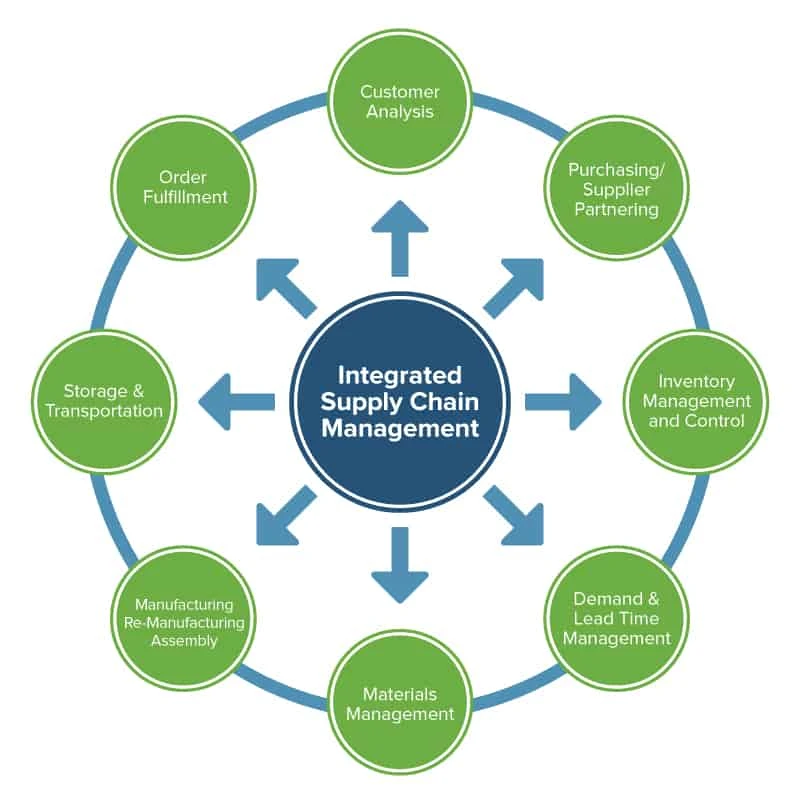
PlanningDeveloping a logistics strategyAssessing customer needsIdentifying suppliersSelecting transportation modesDesigning a supply chain network SourcingSelecting suppliersNegotiating contractsManaging supplier performanceEnsuring timely deliveryMaintaining quality standards ProcurementPurchasing materials, equipment, and servicesManaging inventory levelsMaintaining supplier relationshipsTracking shipments ProductionCoordinating the production processScheduling production runsManaging inventory levelsMaintaining quality standards TransportationSelecting the most appropriate mode of transportationManaging carriersTracking shipmentsEnsuring timely delivery WarehousingManaging the storage of goods and materialsSelecting the appropriate storage facilityManaging inventory levelsMaintaining quality standards DistributionManaging the distribution of goods to customersManaging inventory levelsSelecting the appropriate distribution channelsEnsuring timely delivery Customer ServiceManaging customer relationshipsHandling complaintsProviding after-sales support Measurement and ImprovementMeasuring performanceIdentifying areas for improvementImplementing corrective actionsLogistics plays a critical role in the success of a supply chain by ensuring the efficient and effective flow and storage of goods, services. It guarantees timely and cost-effective product delivery, which is vital for customer satisfaction and loyalty.
FAQs
1. What is a Logistics Management System (LMS)?
A Logistics Management System (LMS) is a comprehensive process that manages the movement of goods, services, and information from the point of origin to the point of consumption, integrating activities.
2. What are the benefits of a Logistics Management System?
Some benefits of a Logistics Management System include increased efficiency, reduced costs, improved customer service, enhanced communication, better inventory management, and improved order processing, among others.
3. How does a Logistics Management Information System (LMIS) support supply chain management?
LMIS enhances supply chain management by offering real-time data and information for informed decision-making. It helps with inventory management, transportation optimization, efficient warehouse management, real-time monitoring, improved supplier management, data analysis, cost reduction, and better customer service.
4. What is the process of logistics management?
The process of logistics management involves planning, sourcing, procurement, production, transportation, warehousing, distribution, customer service, and continuous measurement and improvement.
5. What is the key role of logistics in supply chain success?
Logistics ensures the efficient and cost-effective flow and storage of goods, services, and information within the supply chain, which is crucial for customer satisfaction and overall supply chain success.
Conclusion
With QodeNext, factories gain real-time visibility into their logistics operations, manage inventory effectively, and track shipments accurately. If you're looking to improve your logistics management system, QodeNext is the solution to consider.










Sign in to leave a comment.