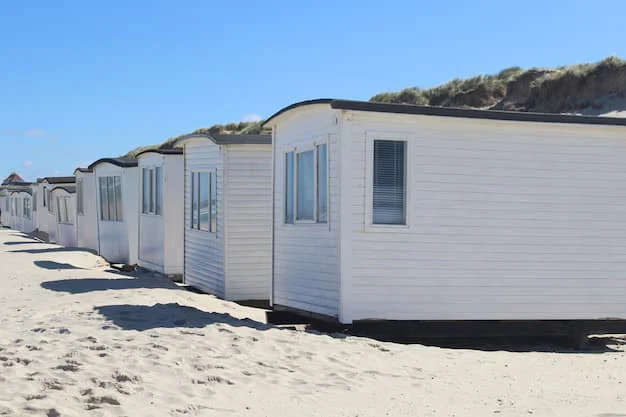

Modular containers are increasingly being recognized as a versatile, cost-effective, and sustainable solution for modern construction and workspace needs. Their adaptability and durability make them suitable for a wide range of applications across commercial, residential, educational, and industrial sectors. As businesses and communities seek innovative, flexible, and environmentally responsible solutions, modular containers are emerging as a key option for addressing evolving spatial demands. Understanding their potential applications and future trends allows organizations to plan efficiently and maximize value.
Understanding Modular Containers
What Are Modular Containers?
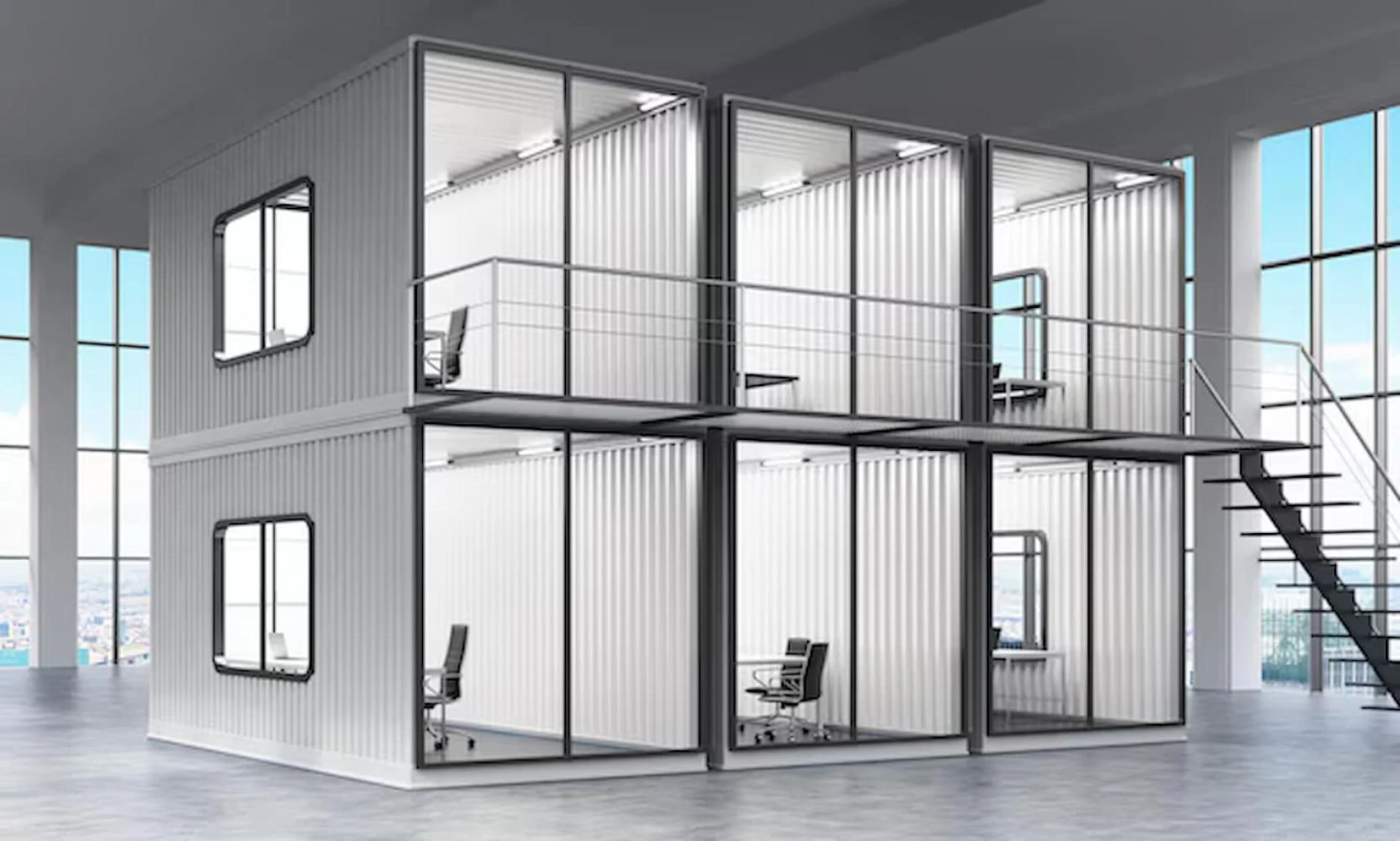
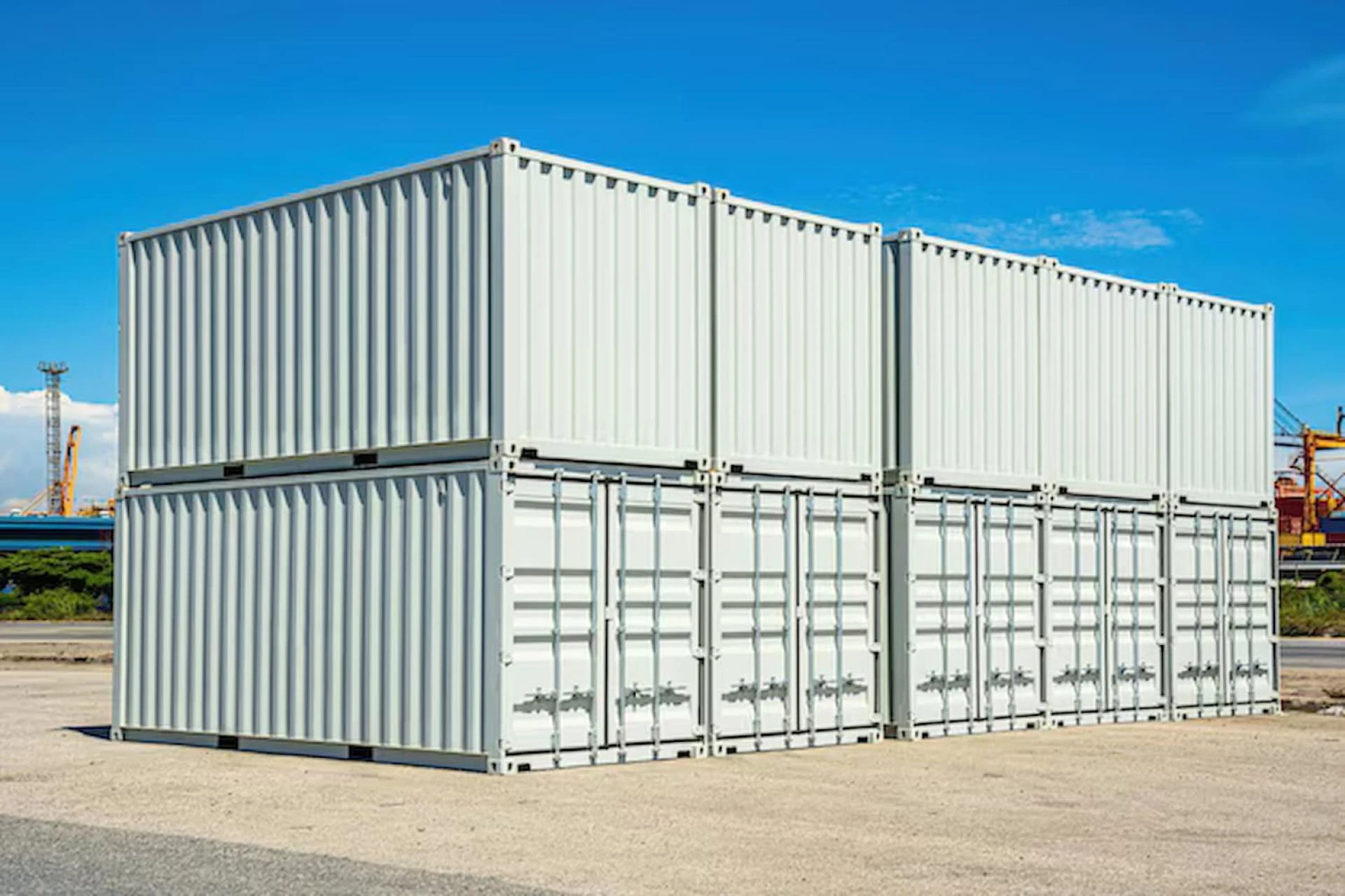
Modular containers are prefabricated units, often based on shipping container designs, that can be customized and configured to serve multiple purposes. These units are constructed in controlled environments and then transported to their intended site for assembly or deployment. Modular containers can be stacked, connected, and adapted to create spaces ranging from offices and classrooms to residential units and industrial facilities.
Advantages of Modular Containers
Modular containers offer numerous benefits including rapid deployment, cost efficiency, and design flexibility. Their prefabricated nature reduces construction time and site disruption. Additionally, the use of durable materials ensures longevity and minimizes maintenance. Sustainability is another advantage, as these units often repurpose existing materials, contributing to reduced environmental impact.
Current Uses of Modular Containers
Modular containers are already widely used in temporary office spaces, on-site project management, portable classrooms, and emergency housing. Industrial applications include storage, workshops, and laboratory spaces. Their portability, scalability, and functional design make them a preferred choice in environments where speed, flexibility, and efficiency are essential.
Commercial and Business Applications
Office Spaces and Work Environments
Modular containers are increasingly used as office solutions for businesses requiring flexibility. Companies can establish temporary or permanent workspaces with fully equipped offices, meeting rooms, and collaborative areas. The modular nature allows for easy expansion or relocation, accommodating growing teams or changing project requirements.
Retail and Pop-Up Spaces
Retailers and event organizers benefit from modular containers for pop-up shops, exhibitions, and showrooms. These units can be customized for branding, layout, and customer experience while being easily transportable. Seasonal or location-based business models gain flexibility and reduced overhead costs through modular container solutions.
Industrial and Storage Facilities
Industrial applications include warehouses, equipment storage, and workshops. Modular containers offer scalable, secure, and organized spaces that can be adapted to specific operational needs. Their robust construction ensures durability, even in challenging environments or temporary sites.
Educational and Community Uses
Classrooms and Learning Centers
Educational institutions increasingly rely on modular containers to meet growing demand for classrooms, laboratories, and training facilities. Quick deployment and flexible layouts make these units ideal for temporary or long-term expansion projects, while maintaining safety and comfort for students and staff.
Community Centers and Public Services
Communities can utilize modular containers for libraries, community halls, or recreational facilities. Modular construction provides affordable and adaptable solutions that meet local needs while allowing for future modifications or relocation.
Healthcare Facilities
Healthcare providers benefit from modular containers for clinics, vaccination centers, and emergency medical facilities. These units can be equipped with essential medical infrastructure and designed for rapid deployment in response to population growth, emergencies, or remote locations.
Residential and Housing Applications
Temporary and Emergency Housing
Modular containers are widely adopted for temporary or emergency housing due to their portability and durability. They provide safe and comfortable living environments for disaster relief, construction sites, or displaced communities.
Affordable Housing Developments
Developers are increasingly exploring modular container solutions for affordable housing projects. Multi-unit residential complexes can be built quickly, sustainably, and with customizable layouts to meet community needs.
Student and Worker Accommodation
Universities and large employers use modular containers to provide temporary accommodation. These units are efficient, cost-effective, and customizable, offering practical solutions to meet fluctuating demand.
Innovative Design Features
Multi-Functional Spaces
Modular containers can be designed for multi-functional use, combining work, living, and communal spaces within a single unit. Adjustable layouts, foldable furniture, and movable partitions enhance flexibility and maximize utilization of available space.
Smart Technology Integration
Modern modular containers increasingly incorporate smart technology, including automated lighting, climate control, security systems, and IoT-enabled monitoring. These features create connected, efficient, and comfortable environments for users.
Sustainability and Eco-Friendly Practices
Sustainability is a major focus in modular container design. Utilizing repurposed containers, energy-efficient insulation, and solar energy solutions reduces environmental impact while maintaining high performance. Modular containers represent a green alternative to conventional construction methods.
Future Trends in Modular Containers
Urban and High-Density Applications
As urban populations grow, modular containers are being used in high-density residential and commercial developments. Vertical stacking and modular communities optimize limited urban space while providing flexible and functional solutions.
Co-Working and Shared Spaces
The future of modular containers includes collaborative co-working environments. Shared resources, flexible layouts, and customizable units foster innovation, networking, and operational efficiency for multiple organizations within a single complex.
Advanced Materials and Prefabrication Techniques
Emerging materials and prefabrication methods enhance durability, energy efficiency, and design potential. Lightweight composites, improved insulation, and factory-controlled precision ensure long-lasting, adaptable, and high-quality modular container structures.
Mobile and Remote Applications
Modular containers will continue to serve mobile and remote operations, including construction sites, disaster relief areas, and temporary offices. Their portability and adaptability make them ideal for organizations that require functional spaces in dynamic environments.
Conclusion
Modular containers represent a forward-thinking approach to construction, offering versatile, cost-effective, and sustainable solutions for commercial, residential, educational, and industrial applications. Their adaptability, rapid deployment, and ability to integrate technology make them a practical choice for modern businesses and communities. By embracing innovative design, sustainability, and flexible layouts, organizations can leverage modular containers to meet evolving spatial demands efficiently.
For businesses and developers exploring modern, adaptable, and innovative space solutions, Halletts Spaces provides expert guidance, tailored designs, and modular container solutions to meet a wide range of needs.


















Sign in to leave a comment.