

Future-Proofing Enterprise Data Against Unexpected Disruptions
Every organization depends on reliable access to its digital information, whether it supports customer services, financial operations, healthcare records, or manufacturing systems. As businesses generate larger volumes of data, the consequences of data loss continue to increase. Air Gap Backup has become a dependable solution for organizations seeking greater resilience against ransomware, accidental deletion, insider threats, and infrastructure failures. By incorporating Air Gap Backup into a broader protection strategy, businesses can recover critical information with confidence while reducing operational risks.
The Importance of Data Resilience
Modern businesses operate in environments where even a few hours of downtime can result in financial losses, damaged customer relationships, and compliance issues. Protecting data is no longer limited to creating routine copies; it requires a well-planned strategy capable of handling a variety of unexpected events.
An effective resilience plan focuses on maintaining data integrity, ensuring accessibility, and enabling rapid recovery when disruptions occur.
Common Causes of Data Loss
Organizations encounter many situations that can threaten valuable information, including:
- Cyberattacks
- Hardware failures
- Human mistakes
- Software corruption
- Natural disasters
- Power interruptions
Preparing for these scenarios allows businesses to continue operations with minimal disruption.
Building a Strong Foundation for Recovery
Recovery begins long before an incident occurs. Organizations should establish clear policies that define how information is stored, protected, monitored, and restored.
A structured recovery framework should include:
- Regular backup schedules
- Recovery testing
- Secure storage locations
- Access management
- Long-term retention policies
These components work together to improve reliability and minimize recovery time.
Defining Recovery Priorities
Not every application carries the same level of importance.
Businesses should classify systems according to:
- Mission-critical applications
- Customer-facing services
- Financial systems
- Internal collaboration platforms
- Historical archives
Prioritizing recovery ensures that essential operations resume first during an emergency.
Strengthening Security Through Data Isolation
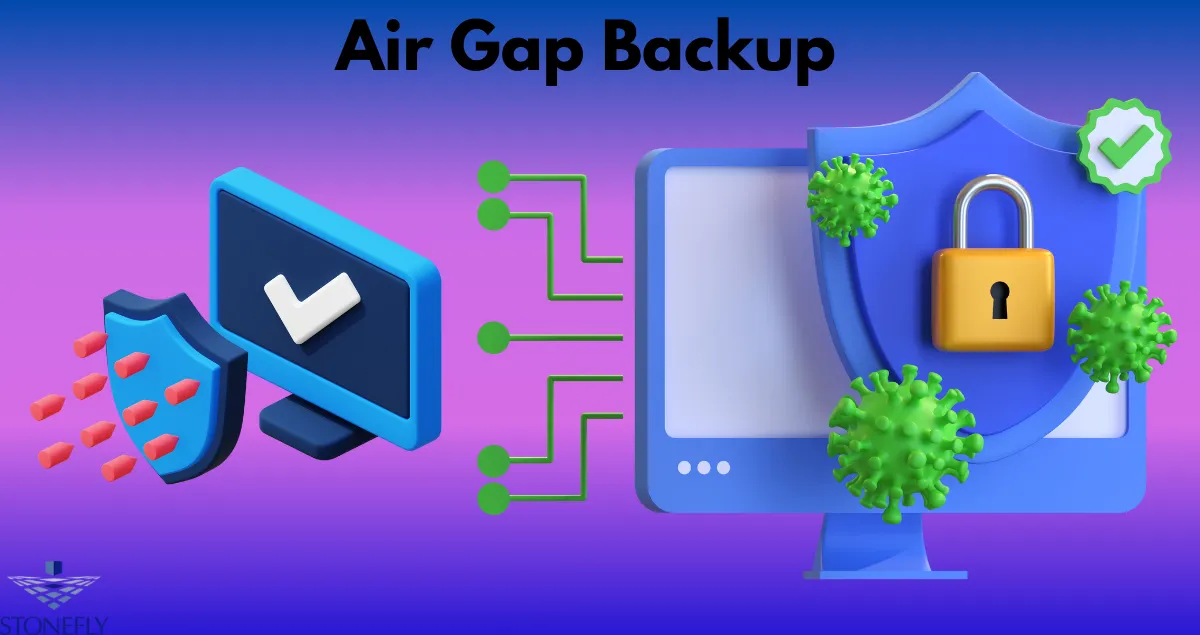
Separating backup copies from production environments adds another layer of protection against evolving cyber threats.
If attackers successfully compromise active systems, isolated recovery copies remain protected from direct manipulation, allowing organizations to restore operations more efficiently.
This layered security model supports stronger business continuity planning and increases confidence during disaster recovery efforts.
Limiting Attack Surfaces
Reducing unnecessary connections between backup repositories and operational systems minimizes opportunities for attackers.
Organizations should:
- Restrict administrative access
- Use multi-factor authentication
- Monitor unusual activity
- Maintain detailed audit logs
- Review permissions regularly
These practices significantly strengthen overall security.
The Role of Automation in Modern Protection
Manual backup processes often introduce inconsistency and increase the likelihood of human error.
Automation improves reliability by:
- Scheduling backups consistently
- Monitoring job completion
- Generating alerts
- Verifying backup integrity
- Simplifying reporting
Automated workflows also reduce administrative workload, allowing IT teams to focus on strategic initiatives.
Monitoring Backup Health
Continuous monitoring helps identify issues before they impact recovery.
Key metrics include:
- Backup completion rates
- Storage utilization
- Failed backup jobs
- Recovery verification results
- Infrastructure performance
Regular monitoring improves confidence that recovery systems will function as expected.
Planning for Business Continuity
Business continuity involves much more than recovering lost files. It requires coordinated planning across departments to ensure essential services remain available.
Organizations should prepare:
Incident Response Plans
Clearly defined procedures reduce confusion during emergencies.
Communication Strategies
Employees, customers, vendors, and stakeholders should receive timely updates throughout recovery efforts.
Recovery Teams
Assigning responsibilities before an incident improves response speed and accountability.
Regular Practice Exercises
Recovery drills help identify weaknesses before real incidents occur.
Storage Planning for Future Growth
Data volumes continue expanding as organizations adopt new technologies and digital services.
Storage planning should consider:
- Future capacity requirements
- Performance expectations
- Regulatory retention needs
- Geographic redundancy
- Scalability
Planning ahead prevents costly migrations and operational disruptions later.
Balancing Cost and Performance
Organizations should evaluate storage based on long-term value rather than initial purchase price.
Important considerations include:
- Reliability
- Expansion flexibility
- Operational efficiency
- Maintenance requirements
- Recovery performance
A balanced approach supports sustainable infrastructure growth.
Managing Compliance Requirements
Many industries require organizations to demonstrate reliable recovery capabilities.
A well-designed data protection strategy supports compliance by providing:
- Consistent retention practices
- Documented recovery procedures
- Audit-ready reporting
- Controlled access management
- Data integrity verification
Maintaining accurate documentation simplifies regulatory reviews and strengthens organizational accountability.
Developing a Culture of Preparedness
Technology alone cannot eliminate every risk.
Organizations should encourage employees to understand their role in protecting business information.
Training programs should cover:
- Safe data handling
- Password security
- Phishing awareness
- Recovery procedures
- Incident reporting
An informed workforce reduces avoidable mistakes and strengthens organizational resilience.
Continuous Improvement
Recovery strategies should evolve alongside business operations.
Organizations benefit from reviewing:
- Recovery objectives
- Security policies
- Backup frequency
- Infrastructure changes
- Testing results
Regular assessments ensure protection strategies remain effective as technology and business requirements change.
Best Practices for Long-Term Data Protection
Successful organizations follow several consistent practices to strengthen recovery capabilities.
Maintain Multiple Recovery Copies
Keeping several recovery points reduces dependence on a single storage location.
Test Recovery Frequently
Routine testing validates both backup quality and restoration procedures.
Secure Administrative Access
Limiting privileged accounts reduces the likelihood of unauthorized changes.
Monitor Infrastructure Continuously
Early detection of issues prevents larger failures later.
Document Recovery Processes
Clear documentation enables faster decision-making during emergencies.
When combined with these best practices, Air Gap Backup strengthens organizational resilience by providing an additional layer of protection that supports dependable recovery during unexpected events.
Conclusion
Protecting business information requires more than routine backups. Organizations need comprehensive recovery planning, strong security controls, automated processes, continuous monitoring, and regular testing to ensure business continuity. By investing in resilient recovery strategies and adopting Air Gap Backup as part of a layered protection approach, businesses improve their ability to withstand cyber threats, operational failures, and future challenges while maintaining confidence in their recovery capabilities.
FAQs
1. How does recovery planning reduce business downtime?
Recovery planning establishes clear procedures and priorities, allowing organizations to restore essential systems more quickly during an incident.
2. Why should backup systems be monitored continuously?
Continuous monitoring helps identify failures, storage issues, or configuration problems before they affect recovery.
3. What role does employee training play in data protection?
Educated employees are less likely to make mistakes that lead to data loss and are better prepared to respond during emergencies.
4. How often should recovery exercises be conducted?
Many organizations perform recovery testing quarterly or semi-annually, depending on operational requirements and compliance standards.
5. Why is scalability important when planning storage infrastructure?
Scalable infrastructure accommodates future data growth without requiring frequent system replacements or disruptive migrations.
























Sign in to leave a comment.