

Ophthalmic tonometers play a crucial role in measuring intraocular pressure (IOP), a key factor in diagnosing and managing eye conditions such as glaucoma. As technology rapidly evolves, so does tonometry—bringing greater accuracy, patient comfort, and accessibility. Here's a closer look at what the future holds for this essential ophthalmic tool.
Technological Advancements
1. Non-Contact and Smart Tonometers
The shift toward non-contact tonometers is gaining traction due to their ability to measure IOP without physical contact, using air-puff or dynamic contour methods. This reduces infection risk and enhances patient comfort, encouraging more frequent screenings.
Meanwhile, smart tonometers equipped with Bluetooth or wireless connectivity are transforming at-home monitoring. These devices can send real-time data to clinicians, enabling continuous management of chronic conditions like glaucoma.
2. Artificial Intelligence (AI) Integration
AI is set to enhance tonometry by improving reading accuracy and detecting patterns that may indicate early signs of disease. Machine learning algorithms can analyze data over time, allowing for proactive intervention and personalized care plans.
Accessibility and Portability
1. Portable Devices
Lightweight and mobile tonometers are expanding access to eye care in underserved or rural communities. Health workers can now perform screenings outside clinical settings, making eye exams more accessible and community-focused.
2. Telemedicine Compatibility
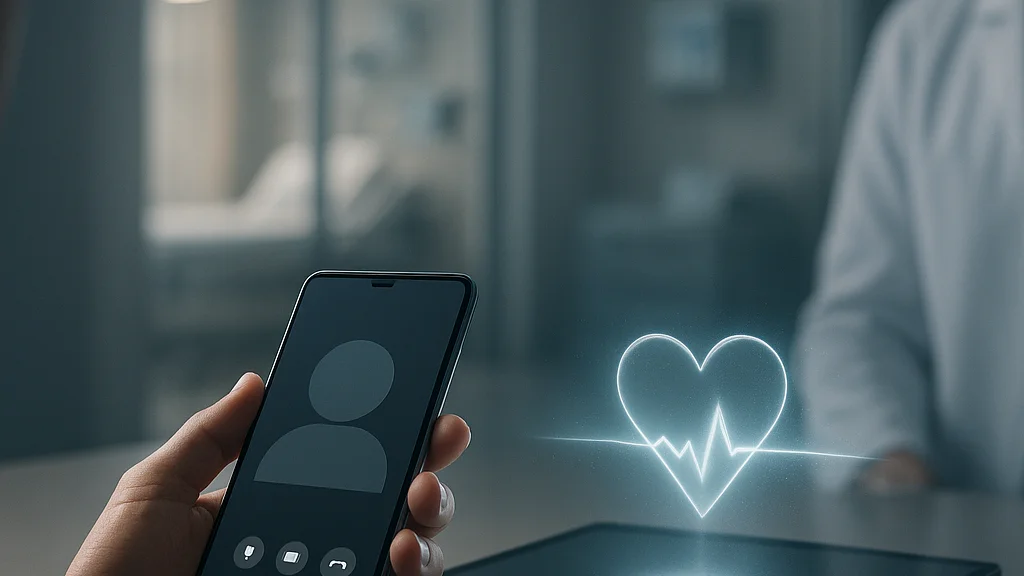
The rise of telehealth means that tonometry is becoming part of remote diagnostics. Portable devices integrated with telemedicine platforms allow clinicians to evaluate patients from afar, expanding access while maintaining quality care.
Personalized and Patient-Centric Care
1. Genetic and Biomarker Insights
Future tonometry may involve genetic and biomarker data to tailor treatment plans. By understanding a patient’s genetic risk for eye diseases, ophthalmologists can create more effective, individualized therapies.
2. Enhanced Comfort
Emerging methods like rebound tonometry and softer-touch techniques aim to reduce discomfort and anxiety. Some centers are also exploring virtual reality (VR) environments to distract and calm patients, particularly children or anxious individuals.
Ethical and Regulatory Considerations
1. Standardization and Certification
As new technologies emerge, regulatory bodies will need to establish guidelines to ensure safety, accuracy, and reliability. This will build trust among healthcare providers and patients alike.
2. Data Privacy and Ethics
With AI and smart technologies comes a need for strong data privacy protocols. Balancing the benefits of real-time data collection with ethical concerns will be crucial in gaining public confidence.
Global Outlook and Collaboration
1. Bridging the Global Gap
To address health disparities, global health organizations are pushing for cost-effective tonometry solutions suitable for low-resource settings. Affordable technologies will help reduce preventable vision loss worldwide.
2. Training and Skill Development
Widespread adoption of advanced tonometers requires proper training. Capacity-building initiatives will ensure that eye care professionals around the world can effectively use the latest tools and techniques.
Research, Integration, and Cost Efficiency
1. Interdisciplinary Research
Collaboration among ophthalmologists, engineers, and data scientists is driving innovation. Research efforts are focusing on improving IOP measurement techniques and understanding ocular biomechanics.
2. Clinical Validation and EHR Integration
New technologies must undergo clinical trials and long-term studies to ensure consistency and effectiveness. Integration with electronic health records (EHR) will streamline data sharing and support data-driven decision-making.
3. Cost-Effectiveness
While cutting-edge tools may be expensive initially, widespread manufacturing and adoption will reduce costs. Health systems will also benefit from early disease detection, which helps reduce long-term treatment expenses.
Emerging Trends and Sustainability
1. Multi-Parameter Tonometers
Future devices may measure more than just IOP, incorporating corneal biomechanics and other ocular health indicators for a more comprehensive diagnosis.
2. Imaging Integration
Combining tonometry with imaging technologies such as OCT and ultrasound can enhance diagnostic accuracy, paving the way for highly customized treatment plans.
3. Eco-Friendly Manufacturing
Sustainability will become a consideration in device design, with manufacturers exploring eco-conscious materials and production methods to reduce environmental impact.
Conclusion
The future of ophthalmic tonometry is filled with promise. From smart technology and AI-driven insights to improved accessibility and sustainability, next-generation tonometers are set to revolutionize eye care. With proper regulation, training, and ethical safeguards, these advancements will contribute to earlier detection, better outcomes, and more equitable vision care across the globe.




























Sign in to leave a comment.