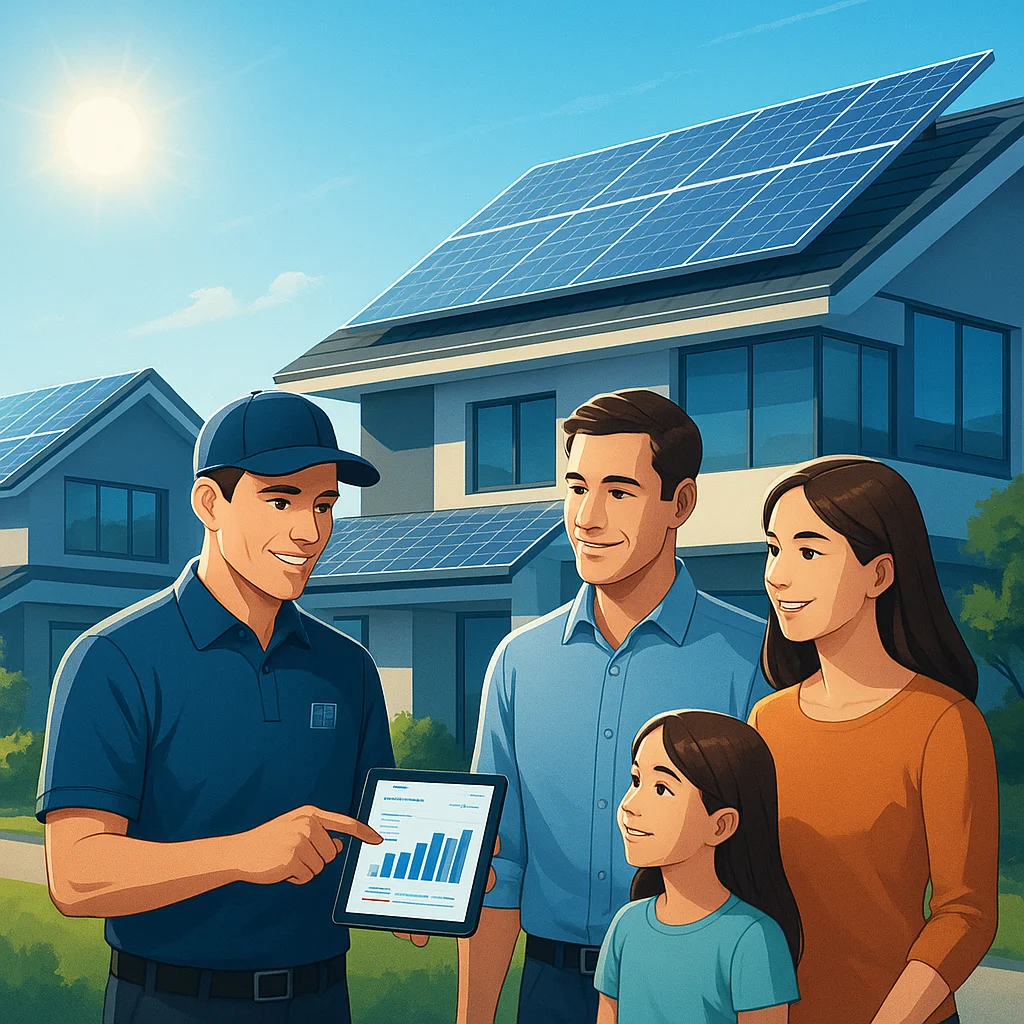

Harnessing the Sun: A New Dawn for Home Solar Installation
Imagine waking up to a warm morning sun filtering through your window, knowing your home is powered by that very light. Solar energy, once a niche technology, has rapidly become accessible and efficient. Today, as we stand at the crossroads of energy transformation, the future of solar panel installation promises even greater advancements tailored for homeowners. In 2026, this is not just about reducing electricity bills; it's about embracing a sustainable lifestyle with tools and expertise increasingly within reach.
Consider the recent mandate in England requiring all new-build homes to have solar panels installed by 2027, as reported by The Guardian. This policy shift underscores the growing recognition that solar energy is integral to our collective environmental future. But what does this mean for the average homeowner eager to adopt solar energy? How will installation processes evolve, and what innovations can one expect? This guide explores these questions and more, offering a detailed roadmap for anyone considering solar panel installation.
“Solar panels are no longer a luxury but a necessity for sustainable living, integrated seamlessly into modern homes.” – Energy Policy Analyst, The Guardian
From Concept to Current Reality: The Evolution of Home Solar Installation
Understanding where we are today requires a glance back at solar technology’s trajectory. Solar panels first entered the residential market in the late 20th century, characterized by high costs and bulky designs. Early adopters faced challenges such as limited efficiency and complex installation procedures. Over the decades, however, innovations in photovoltaic (PV) cell materials and manufacturing significantly lowered costs and improved durability.
Government incentives, rebates, and feed-in tariffs catalyzed adoption worldwide. For example, the U.S. saw a surge in residential solar installations following the introduction of the Investment Tax Credit (ITC) in the early 2000s. Similar policies in Europe and Asia contributed to market growth, driving competition that accelerated technological refinement.
Installation processes have matured from cumbersome, lengthy projects handled exclusively by specialists, to more streamlined and standardized procedures. The rise of turnkey solar companies has simplified the journey for homeowners, providing everything from consultation to financing and maintenance.
Despite progress, shading and roof orientation remain significant factors influencing system performance, as noted by CNET in their coverage of how tree shade affects solar efficiency. Knowing these factors helps homeowners anticipate installation challenges and optimize their system design.
“The evolution of solar panels from specialized equipment to user-friendly home systems has been pivotal in democratizing renewable energy.” – Industry Expert, pv magazine International
2026 Innovations: What’s New in Solar Panel Installation?
This year marks a watershed moment in residential solar technology. Enhanced panel efficiency, integration with smart home systems, and novel installation methods are reshaping the landscape.
One major advancement is the widespread adoption of bifacial solar panels, which capture sunlight from both sides, increasing energy yield by up to 15%. These panels are particularly effective in reflective environments, such as snow-covered or light-colored rooftops. Additionally, solar tiles and thin-film solar laminates offer aesthetic alternatives, blending more naturally with roof architecture.
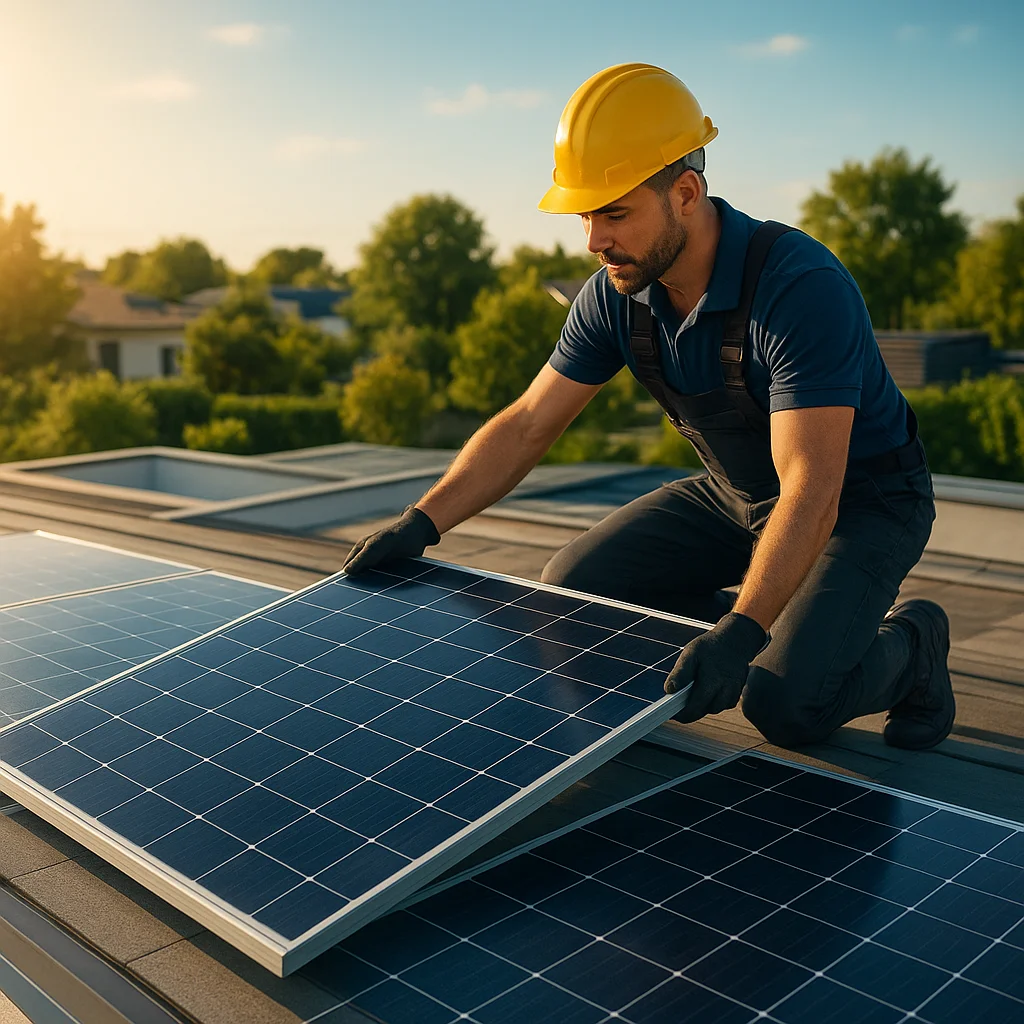
Installation technology has also matured. Drones and AI-powered site assessments now enable precise mapping of roof conditions and shading without manual inspection, reducing the pre-installation phase from days to hours. This precision helps installers tailor systems more effectively, maximizing output and minimizing waste.
Energy storage integration is another focal point. Homeowners increasingly combine solar panels with advanced battery systems, such as lithium iron phosphate (LiFePO4) batteries, for greater energy autonomy. These systems now offer higher cycle life and improved safety, encouraging adoption.
Government policies continue to evolve. Besides England’s new-build mandate, many regions offer enhanced subsidies for solar-plus-storage systems, recognizing their role in grid stability and resilience. This is reflected in rising consumer interest in hybrid solar solutions.
- Key 2026 solar installation trends:
- Enhanced bifacial and thin-film panels for higher efficiency and aesthetics
- AI and drone-assisted site evaluation for faster, accurate planning
- Integrated battery storage with improved longevity and safety
- Government incentives favoring solar-plus-storage systems
- Smart home integration enabling real-time energy management
Such innovations not only improve system performance but also simplify the homeowner’s experience, reducing barriers to entry and fostering broader adoption.
Expert Insights: Industry Perspectives on Solar Installation's Future
Experts emphasize that the future of solar installation will be deeply consumer-centric, focusing on customization and sustainability. According to industry specialists interviewed by pv magazine International, the integration of digital tools is transforming how installers communicate with homeowners, from initial consultation to post-installation monitoring.
Moreover, the rise of community solar projects and peer-to-peer energy trading platforms suggests a shift beyond individual installations toward neighborhood-scale renewable networks. This could redefine the homeowner’s role from isolated energy producer to active participant in a decentralized energy ecosystem.
Installer training and certification programs are also evolving. The focus is on equipping technicians with skills in energy storage, software management, and sustainable materials usage. This ensures installations meet both performance standards and environmental goals.
Consumer education remains crucial. Many homeowners still face uncertainty regarding costs, benefits, and technical terminology. Trusted guides, such as WriteUpCafe’s own Your Guide to Buying Residential Solar Panel Installation, demystify these topics, empowering informed decisions.
“The solar industry’s future lies in creating seamless, transparent experiences that empower homeowners to take control of their energy footprint.” – Senior Solar Engineer, pv magazine International
Real-World Examples: How Homeowners Are Embracing Solar in 2026
Across diverse geographies, homeowners are adopting solar installations tailored to their unique needs. In Canada, where I live, colder climates present specific challenges, yet innovations in cold-weather panel efficiency and snow-shedding roof designs have made solar viable year-round.
In urban settings, compact, integrated solar panels enable installation on limited roof space without compromising aesthetic appeal. For example, a Toronto homeowner recently shared their experience installing a sleek solar tile roof coupled with a home battery system, resulting in a 60% reduction in grid reliance during winter months.
In contrast, rural properties benefit from larger arrays and off-grid capabilities. One family in Alberta harnessed a combination of bifacial panels and a robust LiFePO4 battery bank to achieve near-complete energy independence, supporting sustainable farming operations.
These stories highlight the adaptability of modern solar solutions. They echo findings from WriteUpCafe’s Solar Panel Installation in Lucknow Guide which emphasizes choosing systems aligned with local conditions and financial incentives.
- Common factors in successful home solar installations:
- Customized system design addressing local climate and roof specifics
- Integration with energy storage for reliability
- Access to government subsidies and rebates
- Ongoing maintenance and monitoring support
Looking Ahead: What Homeowners Should Expect and Prepare For
As solar technologies continue to mature, homeowners can anticipate several compelling developments. First, full integration with smart home ecosystems will become the norm, allowing real-time management of energy flows, predictive maintenance alerts, and even automated adjustments based on weather forecasts.
Second, the rise of solar leasing and community-owned solar farms will offer alternatives to upfront purchases, lowering financial barriers. This could democratize solar access even further, especially in multi-family or rental properties.
Third, evolving materials science promises next-generation solar panels with higher efficiency, flexibility, and recyclability. Organic photovoltaic (OPV) materials and perovskite cells, currently in advanced testing phases, could revolutionize cost and installation ease within the next decade.
Homeowners should also stay informed about local regulations, as policies continue to shift in response to climate goals. Partnering with certified installers and leveraging trusted resources like the Top 8 Solar Panel Installation Home Guide for 2026 ensures alignment with best practices and incentives.
“The future of home solar isn’t just about panels on roofs; it’s about smart, sustainable energy ecosystems tailored to each household’s needs.” – Renewable Energy Consultant, The Guardian
In preparing for this future, homeowners can take practical steps:
- Assess your home’s solar potential using AI-driven tools or professional evaluations
- Explore financial options including loans, leases, and government programs
- Choose installations that prioritize sustainability and system scalability
- Engage with community solar initiatives if direct installation isn’t feasible
- Keep abreast of innovations and policy changes to maximize benefits
Ultimately, embracing solar energy today plants the seeds for a cleaner, more resilient tomorrow. As someone who cherishes slow, thoughtful progress in life, I find this transition inspiring—like nurturing a garden that grows richer with every season.
Whether you’re a first-time installer or considering an upgrade, the future of solar panel installation is bright, accessible, and deeply rewarding.
For further insights into the environmental impact of solar energy, this guide offers a thoughtful exploration. And if you’re ready to start your solar journey, don’t miss our detailed homeowner buying guide that walks you through every essential step.
As you consider harnessing the sun, may your path be clear and your energy abundant.
































Sign in to leave a comment.