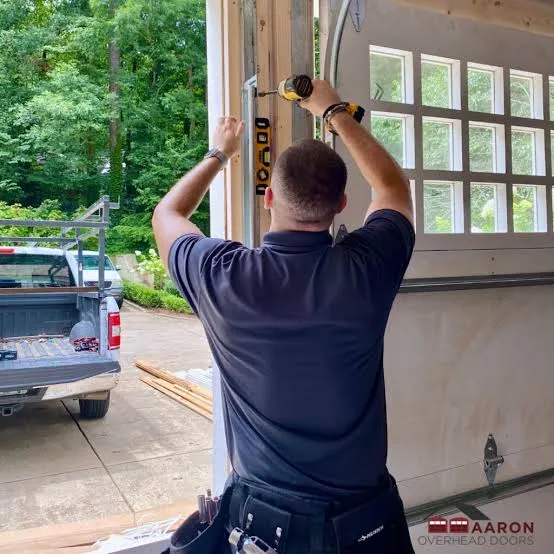

A garage door is one of the most frequently used moving systems in many homes. It opens and closes multiple times a day, often carrying significant weight and relying on several mechanical and electrical components to operate safely. Like any other part of a property, regular maintenance can help reduce wear, identify problems early, and prevent expensive repairs.
The good news is that basic garage door maintenance does not always require complicated tools or advanced skills. A few simple checks performed regularly can help keep the door operating smoothly and extend the life of its components.
Why Regular Garage Door Maintenance Matters
Garage doors consist of springs, cables, rollers, hinges, tracks, sensors, and an opener system. When one component becomes worn or misaligned, it can affect the performance of the entire door.
Ignoring small issues may eventually lead to bigger problems. For example, a noisy roller could indicate wear, while a door that moves unevenly may point to a problem with the tracks, springs, or cables.
Routine maintenance helps you notice these warning signs before they turn into major failures. It can also improve safety because properly maintained doors are less likely to behave unexpectedly during operation.
1. Inspect the Door Regularly
Start with a simple visual inspection. Look at the door, tracks, cables, rollers, hinges, and springs for obvious signs of damage or wear.
Check for:
- Frayed or loose cables
- Bent tracks
- Rust or corrosion
- Cracked rollers
- Loose hinges
- Damaged panels
- Broken or stretched springs
Do not attempt to repair or adjust high-tension springs or cables yourself. These components can store significant amounts of energy and should generally be handled by a trained professional.
2. Keep the Tracks Clean
Garage door tracks guide the rollers as the door moves up and down. Dirt, dust, leaves, and other debris can interfere with smooth movement.
Inspect the tracks periodically and remove loose debris. Make sure nothing is blocking the path of the rollers.
However, avoid bending the tracks or attempting to reposition them without knowing what you are doing. Even a small adjustment can affect how the door operates.
3. Lubricate Moving Parts
Proper lubrication can reduce friction and unnecessary wear on certain moving components. Rollers, hinges, and other manufacturer-approved moving parts may benefit from occasional lubrication.
Use a lubricant designed for garage door components and follow the manufacturer's recommendations. Avoid applying excessive amounts because excess lubricant can attract dirt and create buildup.
Lubrication is particularly useful when you notice increased noise or stiffness during operation, although it will not fix damaged or worn components.
4. Test the Door's Balance
A properly balanced garage door should move smoothly and should not feel excessively heavy when operated manually.
If your garage door has a manual release, you can follow the manufacturer's instructions to disconnect it from the automatic opener and carefully check whether the door remains reasonably balanced.
If the door drops quickly, feels unusually heavy, or rises unexpectedly, there may be an issue with the spring system or another component.
Balance problems should not be ignored. Because garage door springs are under high tension, professional inspection is the safer option when adjustments are required.
5. Check the Safety Sensors
Automatic garage doors typically use safety sensors near the bottom of the tracks. These sensors help prevent the door from closing when an object or person is detected in its path.
Make sure both sensors are properly aligned and free from dirt or obstructions. You can also test the reversing function according to the manufacturer's instructions.
If the door does not reverse when it should, stop using the automatic closing function until the issue has been properly addressed.
6. Listen for Unusual Sounds
Changes in sound can be an early warning sign of a developing problem.
Grinding, scraping, popping, rattling, or unusually loud operation may indicate worn rollers, loose hardware, track problems, or other mechanical issues.
You do not necessarily need to diagnose the exact cause yourself. Instead, pay attention to changes from the door's normal operating sound. Identifying unusual noises early can make it easier to address minor problems before they become more expensive.
7. Tighten Loose Hardware Carefully
Regular movement and vibration can cause nuts, bolts, and other hardware to loosen over time. During a visual inspection, look for loose hinges and mounting hardware.
If you find simple loose hardware, it may be possible to carefully tighten it with the appropriate tool. However, avoid adjusting components connected to springs, cables, or other high-tension systems unless you have the necessary training.
A professional Garage Door Service can be useful when loose hardware is accompanied by unusual movement, uneven operation, or visible structural damage.
8. Maintain the Garage Door Opener
The garage door itself is only part of the system. The automatic opener also requires attention.
Check that the opener responds properly to the remote and wall control. Keep the area around the opener clear and inspect the power connection for obvious problems.
If the opener starts making unusual noises, struggles to lift the door, or operates inconsistently, it may need professional attention.
Avoid forcing the opener to lift a door that is unusually heavy or difficult to move. The opener is designed to operate a properly functioning door, not compensate for mechanical problems.
9. Keep the Door's Exterior in Good Condition
Maintenance is not limited to mechanical components. Keeping the garage door clean can help you spot cracks, rust, dents, and other damage.
For metal doors, look for areas where corrosion may be developing. Wooden doors may require additional protection against moisture and weather exposure.
Addressing cosmetic damage early can also help prevent deterioration that eventually affects the door's structure.
10. Know When to Call a Professional
Some garage door problems should not be treated as DIY projects. Springs, cables, drums, and other high-tension components can cause serious injuries if handled incorrectly.
Professional assistance is recommended if you notice:
- A broken spring
- A snapped or frayed cable
- A door that has come off its tracks
- Severe track damage
- A door that suddenly becomes extremely heavy
- Repeated opener failure
- Significant structural damage
Professional inspection can help determine whether a component needs adjustment, repair, or replacement.
How Often Should You Perform Garage Door Maintenance?
A quick visual inspection can be performed regularly, especially if the garage door is used frequently. More thorough maintenance can be scheduled periodically based on usage, environmental conditions, and the manufacturer's recommendations.
Homes in areas with high humidity, dust, extreme temperatures, or frequent weather changes may require closer attention to corrosion and mechanical wear.
The important thing is consistency. Waiting until the garage door stops working completely can turn a manageable maintenance issue into an expensive emergency repair.
Final Thoughts
Garage door maintenance is a simple way to protect one of the most frequently used systems in a home. Cleaning the tracks, inspecting components, checking safety sensors, listening for unusual sounds, and keeping the opener in good condition can help identify problems early.
Most importantly, know your limits. Components such as springs and cables can be dangerous to repair without proper training. When you notice serious damage or unusual operation, getting professional help is safer than attempting a risky repair yourself.
Regular attention and timely Garage Door Service can help improve reliability, reduce unexpected breakdowns, and potentially extend the useful life of your garage door.






























Sign in to leave a comment.