
Introduction
Garbage bags might seem like a mundane household item, but they play a crucial role in maintaining cleanliness and hygiene in our lives. They are indispensable in effective waste management, helping to contain and dispose of waste efficiently and safely. Let's delve into the world of garbage bags and explore their significance, types, and the key players in the market.
What Are Garbage Bags?
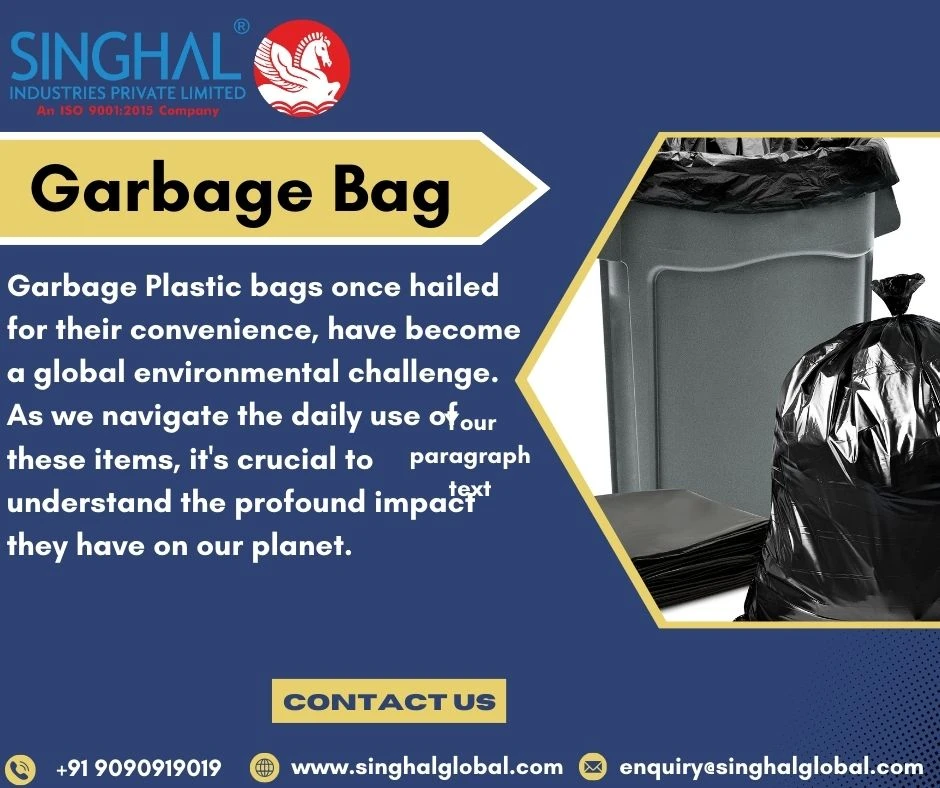
Garbage bags, also known as trash bags or bin liners, are flexible containers used to hold waste materials. Their primary purpose is to make waste collection, handling, and disposal more manageable. These bags come in various sizes, strengths, and materials to cater to different needs.
Types of Garbage Bags
There are several types of garbage bags, including:
Plastic Garbage Bags: The most common type, known for their strength and durability.Biodegradable Bags: Made from materials that break down naturally over time.Compostable Bags: Designed to decompose in composting environments, contributing to waste reduction efforts.History of Garbage Bags
The history of garbage bags dates back to the 1950s when Canadians Harry Wasylyk and Larry Hansen invented the first disposable polyethylene garbage bag. Initially intended for commercial use, these bags quickly gained popularity in households. Over the years, advancements in materials and manufacturing processes have led to more efficient and environmentally friendly garbage bags.
Materials Used in Garbage Bags
Common Materials
Garbage bags are typically made from various types of plastic, including:
Polyethylene (PE): High-density (HDPE) and low-density (LDPE) polyethylene are the most common types used.Polypropylene (PP): Known for its strength and resistance to chemicals.Advantages of Plastic Garbage Bags
Plastic garbage bags offer several benefits:
Durability: Resistant to tears and punctures.Flexibility: Can hold a large volume of waste.Waterproof: Prevents leaks and spills.Benefits of Using Garbage Bags
Hygiene and Sanitation
Garbage bags help maintain cleanliness by containing waste and preventing the spread of germs and unpleasant odors. They are essential in both homes and public spaces to promote a healthy environment.
Convenience and Efficiency
Using garbage bags simplifies waste collection and disposal. They can be easily sealed and transported, making the process more efficient and less time-consuming.
Environmental Impact
While traditional Plastic Garbage Bags have a negative environmental impact, innovations like biodegradable and compostable bags are helping to mitigate these effects by providing more sustainable options.
Garbage Bags in Daily Life
Residential Use
In homes, garbage bags are used in kitchen bins, bathroom wastebaskets, and for collecting yard waste. They help keep living spaces clean and organized.
Commercial and Industrial Use
Businesses and industries rely on garbage bags for efficient waste management. From office buildings to manufacturing plants, these bags are essential for maintaining hygiene and productivity.
Choosing the Right Garbage Bag
Factors to Consider
When selecting a garbage bag, consider the following:
Size: Ensure the bag fits your bin or container.Strength: Choose a bag that can handle the type and weight of waste you generate.Size and Strength
Garbage bags come in various sizes, from small bags for personal wastebaskets to large industrial-sized bags. The strength of the bag, indicated by its thickness, should match the type of waste you plan to dispose of.
Plastic Garbage Bag: A Popular Choice
Why Plastic?
Plastic garbage bags are popular due to their affordability, availability, and versatility. They are effective at containing waste and preventing leaks, making them a reliable choice for many.
Environmental Considerations
While convenient, plastic garbage bags contribute to environmental pollution if not disposed of properly. It's essential to explore recycling options and consider using biodegradable alternatives when possible.
Dustbin Bags in India
Market Overview
Dustbin Bag india the demand for dustbin bags is growing due to increased urbanization and awareness of hygiene. The market is diverse, with various types of bags catering to different needs.
Cultural Preferences and Practices
Indian households often prefer durable and affordable garbage bags that can handle mixed waste. There's also a rising interest in eco-friendly options as environmental consciousness grows.
Leading Dustbin Bag Manufacturers
Industry Leaders
Dustbin Bag Manufacturers dominate the garbage bag industry, providing a wide range of products. These companies focus on quality, innovation, and sustainability.
Singhal Industries: A Case Study
Singhal Industries is a notable player in the garbage bag market. Known for their high-quality products and commitment to sustainability, they offer a variety of options, from traditional plastic bags to biodegradable alternatives.
Innovations in Garbage Bag Technology
Biodegradable and Compostable Bags
Recent advancements have led to the development of biodegradable and compostable garbage bags. These bags break down naturally, reducing environmental impact and promoting sustainable waste management.
Smart Garbage Bags
Innovative solutions like smart garbage bags are emerging. These bags come with features like odor control, leak resistance, and even sensors that signal when they need to be replaced.
Environmental Concerns and Solutions
Plastic Pollution
Plastic garbage bags contribute to the growing problem of plastic pollution. They can take hundreds of years to decompose, posing a significant threat to wildlife and ecosystems.
Recycling and Disposal
Proper disposal and recycling of plastic bags can help mitigate their environmental impact. Many communities offer recycling programs, and some manufacturers provide take-back schemes for used bags.
The Future of Garbage Bags
Trends and Predictions
The future of garbage bags lies in sustainability. Expect to see more biodegradable and compostable options, as well as increased use of recycled materials in production.
Sustainability Efforts
Manufacturers are investing in research and development to create eco-friendly products. Efforts include reducing plastic content, improving recyclability, and developing innovative materials.
DIY Garbage Bag Solutions
Homemade Alternatives
For those looking to reduce waste, DIY garbage bags made from newspaper or old cloth can be a viable option. These alternatives can be composted or washed and reused.
Tips for Reducing Waste
To minimize waste, consider these tips:
Reduce: Buy products with less packaging.Reuse: Opt for reusable containers and bags.Recycle: Properly sort and dispose of recyclable materials.Conclusion
Garbage bags are essential tools for effective waste management and hygiene. While traditional plastic bags are widely used, the shift towards more sustainable options is crucial for reducing environmental impact. By making informed choices and adopting eco-friendly practices, we can contribute to a cleaner and healthier planet.
FAQs
How do garbage bags contribute to hygiene?
Garbage bags help contain waste, preventing the spread of germs and odors, thus maintaining cleanliness and hygiene in homes and public spaces.
What are biodegradable garbage bags?
Biodegradable garbage bags are made from materials that decompose naturally over time, reducing environmental impact compared to traditional plastic bags.
How can I choose the right size garbage bag?
Choose a garbage bag that fits your bin or container size and can handle the type and volume of waste you generate.
Are plastic garbage bags recyclable?
Some plastic garbage bags are recyclable, but it depends on the type of plastic and local recycling programs. Check with your local recycling center for guidelines.
What are some eco-friendly alternatives to plastic garbage bags?
Eco-friendly alternatives include biodegradable and compostable bags, as well as DIY options like newspaper or cloth bags.










Sign in to leave a comment.