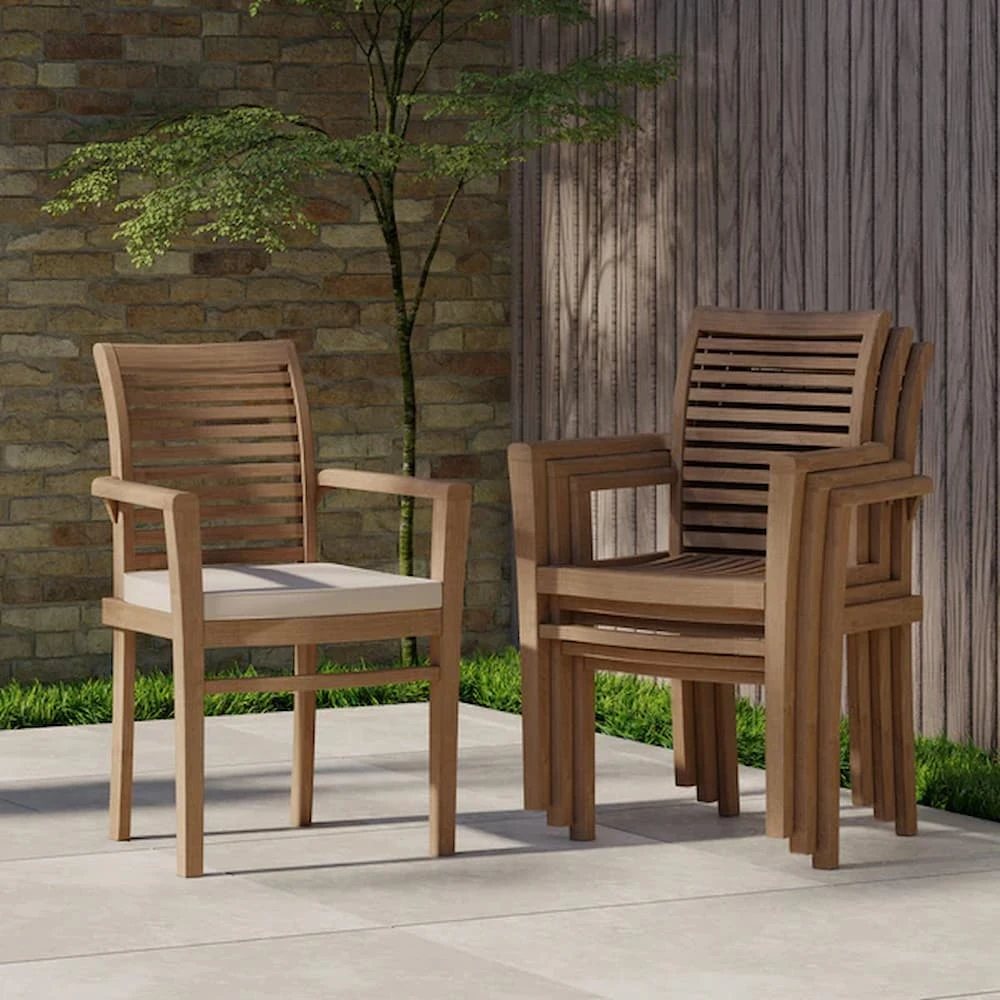

Garden stacking chairs are a versatile and practical addition to any outdoor space. They offer flexibility for hosting gatherings, maximizing seating in small areas, and creating organized storage when not in use. The ability to stack chairs neatly makes them ideal for gardens, patios, terraces, and commercial outdoor settings. Choosing the right garden stacking chair involves understanding materials, design, durability, and maintenance, ensuring long-term functionality and comfort.
This guide provides a comprehensive overview of what to consider when buying garden stacking chairs, including material options, style considerations, ergonomics, and care tips. With the right choice, homeowners can enhance their outdoor living spaces with chairs that are both functional and stylish.
Advantages of Garden Stacking Chairs
Garden stacking chairs provide several benefits that make them a popular choice for both residential and commercial outdoor areas.
Space-Saving Design
The primary advantage of stacking chairs is efficient storage. Multiple chairs can be stacked vertically, saving significant floor space when not in use. This is particularly valuable for small patios or crowded gardens.
Flexibility and Versatility
Stacking chairs are easy to move and rearrange, allowing homeowners to adapt seating for different occasions. They are suitable for casual dining, entertaining large groups, or creating temporary seating for events.
Durability and Longevity
Well-constructed stacking chairs made from quality materials are built to endure frequent handling and exposure to outdoor elements. Their robust design ensures that they remain stable and safe even after years of use.
Easy Maintenance
Most stacking chairs are designed for low maintenance. Materials such as synthetic wicker, metal, plastic, and teak require minimal cleaning and are resistant to weathering, making them ideal for year-round outdoor use.
Choosing the Right Material
Material choice directly affects durability, comfort, and aesthetics.
Teak and Hardwood
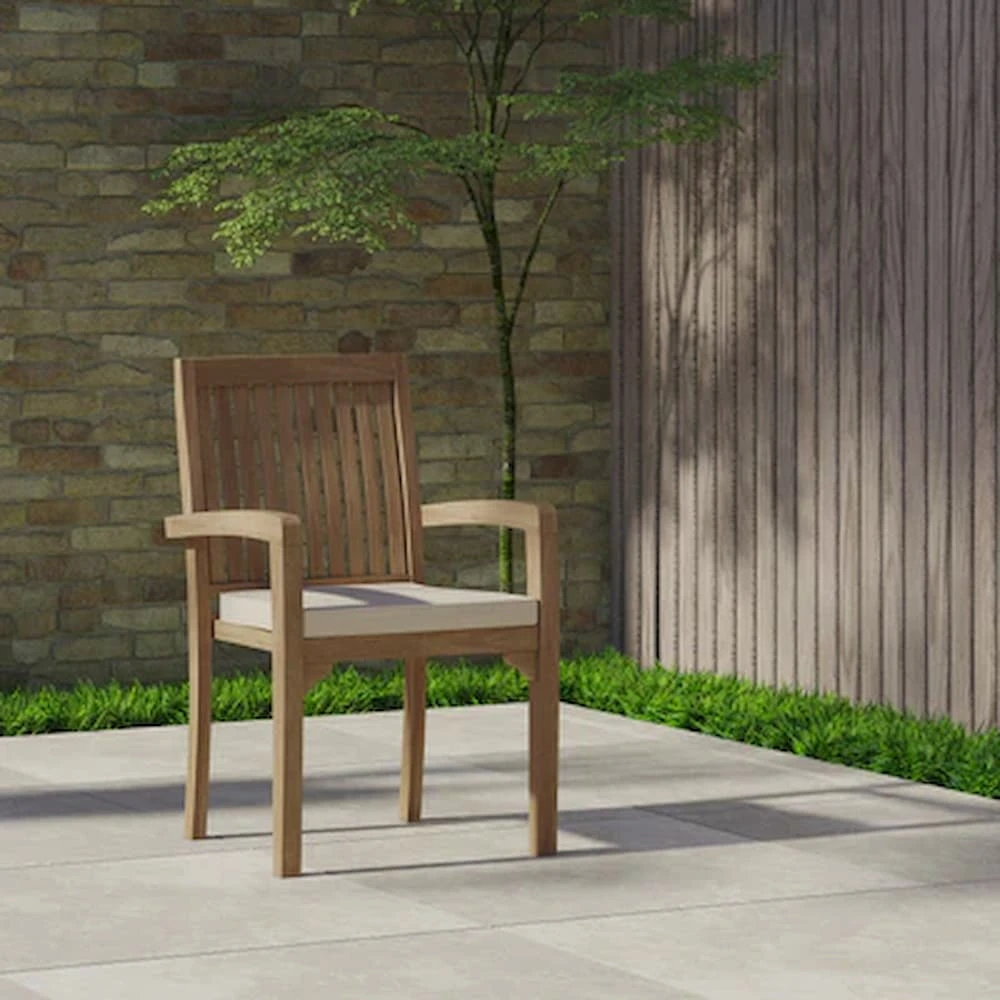
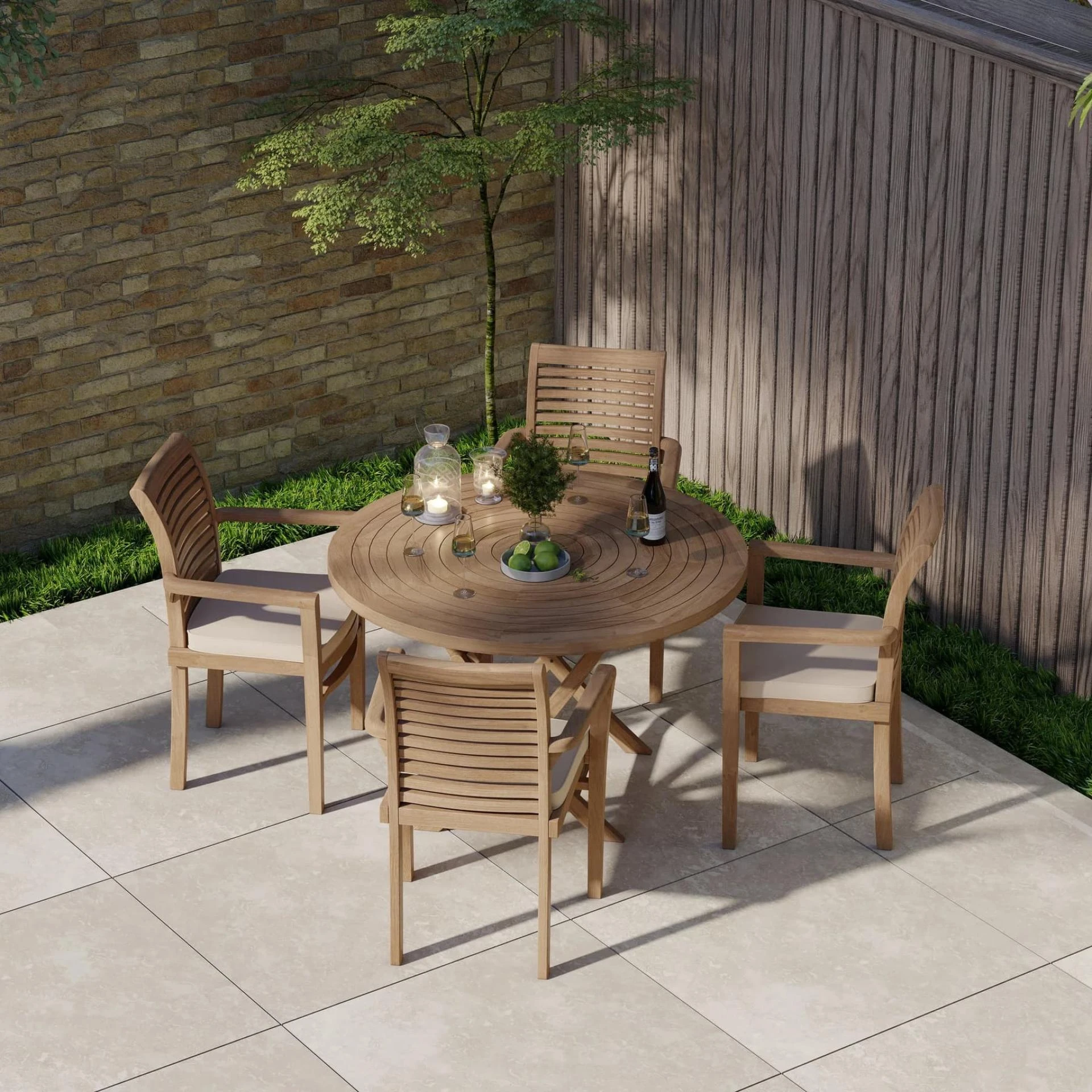
Garden stacking chairs made from teak or other hardwoods combine durability with natural beauty. Teak resists moisture, insects, and decay, while other hardwoods such as eucalyptus or acacia are cost-effective alternatives. These chairs are strong and ideal for long-term outdoor use.
Aluminum
Aluminum is lightweight, rust-resistant, and easy to move. Powder coated finishes enhance color retention and protect against corrosion, making aluminum stacking chairs perfect for both residential and commercial settings.
Steel and Wrought Iron
Steel and wrought iron provide superior strength and stability. Galvanized or powder coated steel prevents rust, while wrought iron offers decorative designs. These materials are ideal for more permanent outdoor setups but may require additional care to maintain appearance.
Synthetic Materials
Resin, high-density polyethylene, and synthetic wicker are low-maintenance, weather-resistant options. They are lightweight, often designed to mimic natural textures, and easy to clean. Synthetic stacking chairs are suitable for casual seating or frequent rearrangement.
Plastic
Plastic stacking chairs are affordable, lightweight, and available in many colors. While less durable than teak or metal, they are ideal for temporary seating or budget-conscious setups.
Design Considerations
The design of a garden stacking chair affects comfort, usability, and aesthetic appeal.
Ergonomics
Look for chairs with contoured seats and supportive backs. Armrests and slight recline angles enhance comfort, especially for prolonged seating. Ergonomic design prevents fatigue and encourages relaxed outdoor gatherings.
Size and Proportion
Consider the dimensions of the chair relative to tables and available space. Stackable chairs should be compact enough to maximize storage while remaining comfortable for adults and children alike.
Weight and Portability
Lightweight chairs are easier to move and stack but should still offer stability. Heavier chairs may be more durable but can be cumbersome to rearrange.
Style and Aesthetic
Stacking chairs come in classic, contemporary, and modern designs. Choose styles that complement the existing outdoor decor. Neutral tones and natural finishes like teak suit traditional gardens, while bright colors and sleek metal designs enhance modern spaces.
Weather Resistance
Ensure that the chair material is suitable for your climate. Metal chairs with rust-resistant coatings are ideal for humid areas, while synthetic and plastic options withstand UV exposure without fading.
Comfort and Accessories
Comfort is essential for enjoying outdoor gatherings.
Cushions
Adding weather-resistant cushions increases comfort and allows customization of color and texture. Cushions should be removable for storage during inclement weather.
Footrests and Armrests
Some stacking chairs include built-in footrests or armrests, providing additional comfort for lounging or dining.
Stackability Features
Check how easily the chairs stack and whether they lock in place to prevent slipping. Properly designed stacking chairs ensure safe and compact storage.
Maintenance Tips for Garden Stacking Chairs
Regular care preserves both the appearance and functionality of stacking chairs.
Cleaning
Use mild soap and water to remove dirt, dust, and debris. Avoid abrasive cleaners that can damage finishes, especially on wood and metal chairs. Rinse and allow to dry completely before stacking or storing.
Protective Coatings
For wooden or metal chairs, apply protective oils, sealants, or coatings as needed to prevent moisture damage and rust. Powder coatings on metal chairs prolong color and reduce maintenance.
Storage
During harsh weather or winter months, store chairs indoors or under breathable covers. Elevate wooden or metal chairs to prevent contact with standing water or snow.
Regular Inspections
Check for loose screws, cracks, or damage to surfaces. Tighten fittings and repair minor issues promptly to maintain safety and durability.
Placement and Usage
Strategic placement enhances the usability and longevity of garden stacking chairs.
Outdoor Dining
Stacking chairs around a dining table provide flexible seating for meals and gatherings. Arrange chairs for easy movement and access to dining surfaces.
Lounging and Relaxation
Place stacking chairs in shaded areas or near garden focal points to create casual relaxation zones. Pair with side tables or benches for added convenience.
Event Flexibility
Stackable chairs are ideal for events such as parties or family gatherings. Their portability and compact storage allow homeowners to increase seating temporarily without cluttering the garden.
Benefits of Investing in Quality Stacking Chairs
Investing in well-designed garden stacking chairs provides several advantages.
Space Efficiency
Stacking capabilities allow homeowners to maximize outdoor space while keeping furniture organized and accessible.
Longevity and Durability
High-quality materials ensure that chairs withstand frequent use, environmental exposure, and stacking without damage.
Ease of Use
Lightweight and portable designs simplify rearranging seating, hosting events, and performing routine maintenance.
Style and Flexibility
Stacking chairs are available in a wide variety of designs, colors, and materials, allowing homeowners to tailor seating to their garden decor and lifestyle.
Conclusion
Garden stacking chairs offer an ideal combination of functionality, durability, and style for outdoor living spaces. By selecting the right material, design, and comfort features, homeowners can create versatile seating that meets their needs for daily use and special occasions. Proper maintenance, cleaning, and storage further extend the life of these chairs, ensuring that they remain a valuable addition to the garden for years.
For high-quality, stylish, and durable stacking chairs designed for maximum comfort and practicality, explore the exceptional collections at Luxus Home and Garden Limited.























Sign in to leave a comment.