
Tourism often changes a city long before residential markets fully react to the transformation. Roads improve first. Hotels begin expanding. Weekend traffic increases gradually. Investors start visiting more frequently. Cafes, wellness centers, and commercial spaces slowly multiply around growing travel corridors. Residential demand usually follows afterward.
A similar pattern has started becoming visible around Dehradun.
Dehradun functioned as a simple gateway toward Mussoorie, Rishikesh, Haridwar, and the rest of the Uttarakhand tourism belt for a long time. Residential property markets moved at a steady speed during those years. Discussions about luxury flats rarely gained the same amount of interest found in the biggest cities.
The current situation looks quite different today.
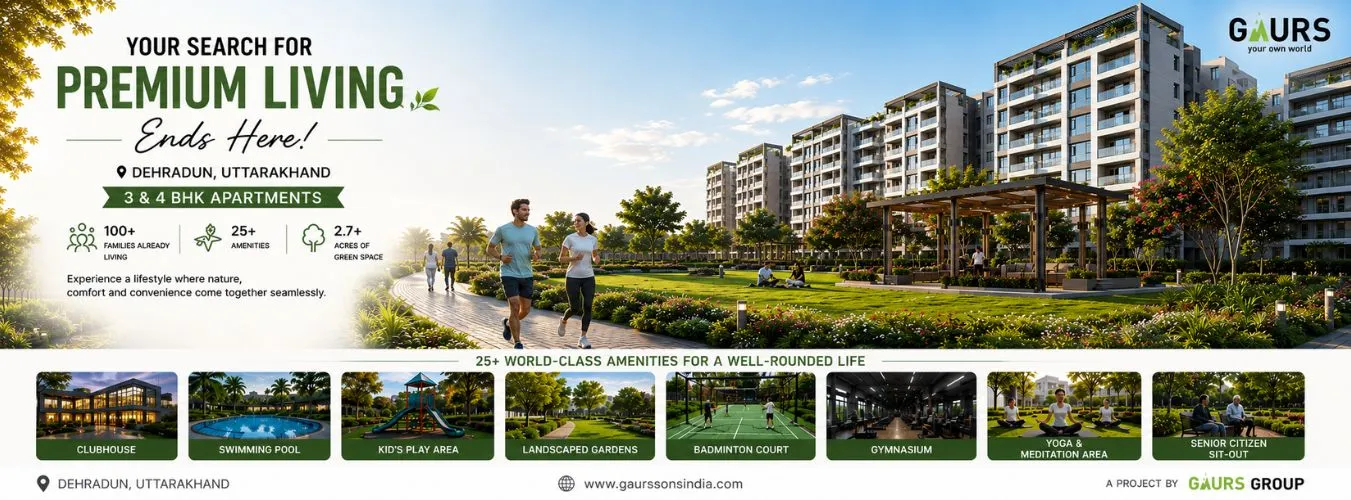
Road improvements, better links to the NCR region, more tourists, and new ways of living create a bigger buzz around local housing. Gaur Dehradun enters the market during this changing time. Tourism growth could drive the need for flats much more than most people think right now.
Gaur Dehradun and the Expanding Tourism-Driven Economy Around Dehradun
A strong tourism economy rarely benefits only hotels.
Long-term effects usually spread across multiple sectors:
- Residential housing
- Commercial activity
- Rental markets
- Healthcare
- Transportation
- Retail infrastructure
- Hospitality employment
Dehradun already sits at the center of several major visitor routes across Uttarakhand. Better connectivity now increases the scale and consistency of movement entering the city throughout the year.
The Delhi–Dehradun Expressway has especially altered how people approach travel toward Uttarakhand. A destination that once felt tiring for short visits now becomes practical for frequent movement from NCR.
That single shift may influence residential behavior more deeply over time.
Weekend Travel Culture Is Changing Buyer Behavior
An interesting lifestyle transition has emerged after hybrid work patterns became more common.
Many professionals no longer restrict travel plans to long holiday schedules. Weekend mobility has increased because shorter travel windows now feel worthwhile. Faster highways therefore influence not only tourism but also residential imagination.
People begin asking different questions:
- Could short visits eventually become longer stays?
- Could retirement planning involve Dehradun?
- Could second-home ownership become practical?
- Could remote work support partial relocation?
This behavioral transition gradually expands housing demand beyond local residents alone.
Projects such as Gaur Dehradun may benefit from this broader shift because apartment buyers increasingly study locations capable of supporting both lifestyle flexibility and future investment stability.
Dehradun Benefits From Multiple Tourism Layers
Several tourism markets depend heavily on one seasonal attraction. Dehradun functions differently.
The city connects with multiple visitor ecosystems simultaneously:
- Hill tourism
- Spiritual tourism
- Adventure travel
- Wellness retreats
- Yoga tourism
- Nature travel
- Educational visits
This diversity creates more stable year-round movement compared to highly seasonal tourist destinations.
Mussoorie alone continues attracting strong visitor flow throughout large parts of the year. Rishikesh has also evolved into an international wellness and yoga destination. Haridwar maintains consistent spiritual tourism activity. Char Dham routes further strengthen Uttarakhand’s broader tourism economy.
Dehradun therefore benefits indirectly from all these interconnected travel circuits.
A growing tourism economy often improves:
- Commercial investment
- Infrastructure spending
- Airport traffic
- Hospitality expansion
- Urban services
Residential markets usually respond gradually afterward.
Hospitality Growth Often Influences Apartment Demand
A distinct shift has started to appear across several Indian cities that attract many tourists.
Travelers now prefer organized stay options that feel like a house rather than standard hotels when they stay for a long time. People traveling with family or working from away often look for places that feel like a real home instead of a business space. These visitors therefore choose settings that offer more comfort and less noise. This change in behavior helps make top quality building groups more valuable over time.
Large residential complexes with modern amenities may eventually attract:
- Long-duration tenants
- Corporate visitors
- Seasonal residents
- Wellness travelers
- Remote-working professionals
Rental opportunities therefore expand beyond conventional local leasing patterns.
Upcoming apartments in Dehradun may gradually participate in this changing accommodation economy as tourism movement continues increasing across Uttarakhand.
Airport Expansion Strengthens Long-Term Mobility
Tourism growth rarely sustains itself without transportation infrastructure.
Jolly Grant Airport has already undergone significant expansion over recent years. Better flight connectivity increases convenience not only for tourists but also for:
- Investors
- Business travelers
- NRIs
- Healthcare visitors
- Long-stay residents
Residential markets generally become more active once airport accessibility improves because buyer confidence increases around long-term usability of the city.
A location starts feeling more connected to national economic movement rather than functioning as an isolated regional destination.
This psychological shift matters considerably for premium residential projects.
Gaur Dehradun therefore enters a city gradually becoming more accessible through multiple transportation channels simultaneously.
Tourism Economies Usually Improve Commercial Ecosystems
A growing visitor economy often improves everyday urban convenience over time.
More tourism movement generally encourages:
- Better restaurants
- Retail development
- Wellness centers
- Healthcare facilities
- Recreational infrastructure
- Hospitality employment
These improvements eventually influence residential livability as well.
Apartment buyers rarely evaluate only the building itself anymore. Surrounding lifestyle ecosystems increasingly affect long-term residential decisions.
The appeal of Dehradun therefore extends beyond scenery alone. The city now appears to be evolving toward a more balanced urban structure combining:
- Nature access
- Organized infrastructure
- Tourism activity
- Educational institutions
- Residential expansion
Projects such as Gaur Dehradun become more relevant within this broader transformation.
Tourism Alone Cannot Sustain Residential Growth
A balanced market analysis also requires caution.
Not every tourism-driven city automatically becomes a successful long-term residential market. Several destinations experience:
- Over-commercialization
- Traffic stress
- Seasonal demand fluctuations
- Infrastructure pressure
- Environmental degradation
Dehradun itself has already started experiencing rising congestion across some areas due to rapid urban expansion.
Future residential quality will therefore depend heavily on:
- Civic planning
- Sustainable growth
- Traffic management
- Water infrastructure
- Environmental balance
Projects entering the market today will eventually be judged not only by apartment specifications but also by how well surrounding urban systems evolve over the next decade.
Wellness Tourism May Influence Buyer Interest Further
One specific trend in the market deserves your attention. Wellness travel has grown very fast across the region of Uttarakhand. Rishikesh in particular draws guests from all over the world who want yoga and meditation. These visitors also look for natural health and a slower way of living. This shift toward healthy living might therefore change the way people look for houses in the future.
A growing section of buyers now prioritize:
- Mental well-being
- Lower-density living
- Cleaner surroundings
- Outdoor accessibility
- Reduced urban stress
Cities capable of supporting these preferences may attract stronger long-term residential attention compared to highly congested metropolitan environments.
Dehradun benefits naturally from this transition because the city already combines urban infrastructure with relatively calmer surroundings.
Second-Home Buyers Are Studying Uttarakhand More Closely
Another noticeable shift has emerged within premium real estate discussions.
Second-home buyers increasingly evaluate locations reachable through manageable road travel from NCR. Earlier, many investors focused mainly on Goa or hill stations requiring longer journeys. Faster highway infrastructure now makes Uttarakhand more practical for repeated short visits.
This matters because second-home ownership often evolves gradually:
- Weekend visits
- Rental usage
- Extended stays
- Semi-permanent living
- Retirement transition
Tourism infrastructure helps support each stage of this cycle.
Apartment communities offering modern amenities may therefore receive stronger attention from buyers seeking flexible residential usage rather than immediate permanent relocation.
Why Gaur Dehradun Fits Into This Emerging Market Shift
The larger opportunity surrounding Gaur Dehradun comes from timing rather than immediate hype.
Dehradun currently stands at an interesting intersection:
- Tourism growth continues expanding
- Connectivity keeps improving
- Lifestyle migration is increasing
- Wellness-focused living attracts more attention
- NCR buyers seek lower-density alternatives
These overlapping trends slowly strengthen long-term residential demand.
Dehradun remains in a younger phase of growth for luxury flats when we look at the crowded big cities. This situation often draws in people who like to look at future growth before new roads and facilities cause prices to rise fully.
Tourism by itself will not be the only thing that decides the future of property in Dehradun.
The mixture of travel, better roads, people moving for health, schools, and new building work might slowly change how people judge new flats in Dehradun over the coming years.





















Sign in to leave a comment.