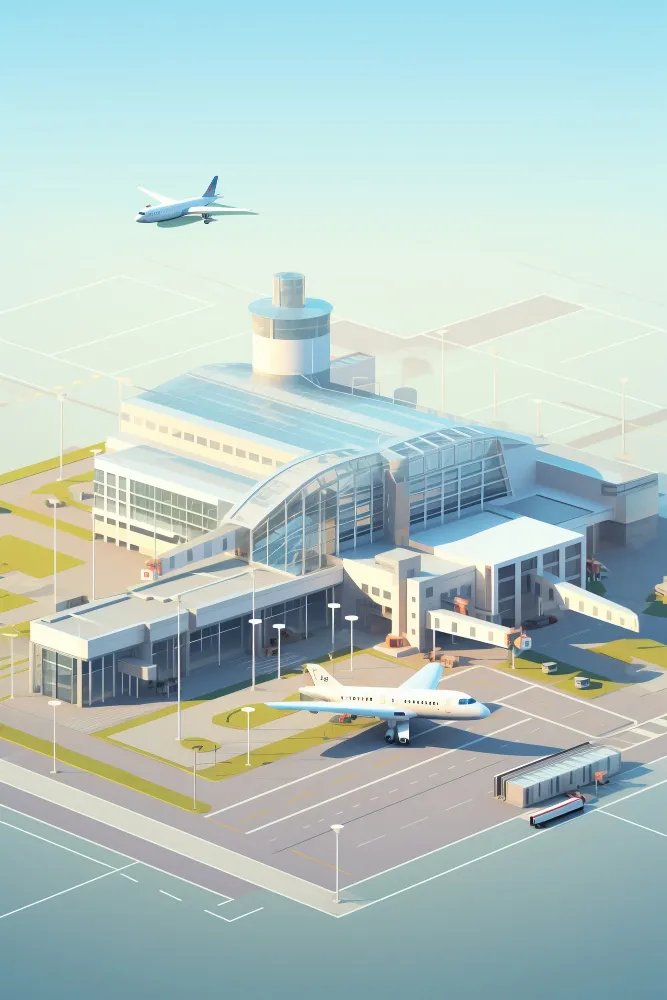

Airport perimeter breaches continue to be one of the most serious concerns in aviation security. Airports manage large operational areas that include runways, cargo facilities, maintenance zones, restricted access points, and extensive border fencing. Protecting these environments requires continuous monitoring and rapid response capabilities.
Manual monitoring alone is no longer sufficient for modern airport operations. Security teams often struggle to monitor miles of fencing, multiple entry points, and remote infrastructure areas simultaneously. Environmental conditions, operational complexity, and growing security risks make traditional perimeter protection increasingly difficult.
This has increased the importance of integrated perimeter security systems that combine surveillance, intrusion detection, analytics, and centralized monitoring. Genetec Integration for Airport Perimeter Security allows airports to connect these technologies into unified operational environments that improve visibility, response coordination, and threat detection accuracy.
Modern airport fence security systems now depend heavily on intelligent automation, AI-driven analytics, and centralized surveillance workflows to prevent unauthorized access and strengthen airport security operations.
Understanding Airport Perimeter Security Challenges
Unauthorized Access Risks
Unauthorized access around airport boundaries can create serious operational and safety concerns. Trespassing, theft, vandalism, smuggling activity, and attempts to enter restricted aviation zones can disrupt airport operations and increase security risks.
Even small perimeter breaches may create delays, trigger emergency responses, or expose critical airport infrastructure to potential threats.
Large-Scale Border Fence Monitoring Difficulties
International airports often manage miles of perimeter fencing across open areas, remote operational zones, and difficult terrain. Monitoring these environments manually requires significant staffing and continuous attention.
Security teams must monitor perimeter zones alongside terminal operations, baggage areas, cargo facilities, and runway environments. This creates operational pressure and increases the possibility of delayed threat detection.
Environmental and Weather Challenges
Airport perimeter monitoring systems must operate continuously in changing environmental conditions. Rain, fog, strong winds, wildlife activity, and poor visibility can affect traditional surveillance systems and sensor accuracy.
Airports require technologies that remain effective during nighttime operations and adverse weather conditions.
False Alarm Management Issues
Conventional perimeter intrusion detection systems often generate false alarms caused by animals, environmental movement, or weather-related interference.
Frequent false alerts reduce operational efficiency because security teams must investigate non-threatening events repeatedly. This can also slow response times during genuine incidents.
What Is Genetec Integration for Airport Perimeter Security?
Unified Perimeter Security Infrastructure
Genetec Integration for Airport Perimeter Security refers to connecting surveillance systems, intrusion detection technologies, access control tools, and analytics platforms within one centralized environment.
Instead of managing isolated systems independently, airport security teams monitor all perimeter activity through unified operational dashboards.
This improves coordination and reduces visibility gaps during active security incidents.
Integration Between Surveillance and Access Control
Integrated airport security surveillance systems allow operators to connect perimeter cameras, access control systems, motion sensors, and alarm systems together.
For example, if a perimeter sensor detects suspicious movement, nearby surveillance cameras can automatically focus on the affected area while alerts are sent to security personnel.
This level of coordination improves operational awareness significantly.
Real-Time Threat Detection Capabilities
Modern intelligent perimeter protection systems use AI-based analytics and sensor integration to identify potential threats immediately.
Security operators receive real-time alerts when unauthorized movement, fence tampering, or suspicious behavior is detected near airport boundaries.
Technologies Used in Modern Perimeter Security Systems
Thermal Imaging Cameras
Thermal cameras detect heat signatures rather than relying only on visible light. This allows airports to monitor perimeter areas effectively during nighttime operations, fog, or poor weather conditions.
These systems are widely used in airport border security technology because they improve visibility across large perimeter zones.
Motion Detection Sensors
Perimeter intrusion detection systems frequently use vibration sensors, infrared detection, and ground motion monitoring tools to identify suspicious movement near airport fencing.
These technologies provide continuous monitoring without requiring constant manual observation.
Radar-Based Monitoring Systems
Radar monitoring systems can detect movement across long perimeter distances, including areas where traditional camera visibility may be limited.
These systems improve airport perimeter monitoring capabilities around large operational zones.
AI Video Analytics
AI-powered analytics systems help airports identify unusual activity patterns automatically.
Airport security surveillance platforms can analyze movement behavior, classify threats, and reduce false positives caused by wildlife or environmental activity.
Drone Surveillance Integration
Some airports are beginning to integrate drone-based monitoring systems into perimeter operations.
Drones provide additional visibility across difficult terrain, remote fencing zones, and large operational boundaries that are challenging to monitor continuously from fixed cameras alone.
How Genetec Integration Prevents Unauthorized Access
Automated Intrusion Detection
Integrated security platforms can automatically identify perimeter breaches using connected sensors, analytics systems, and surveillance cameras.
Security teams receive alerts immediately when unauthorized movement or fence tampering is detected.
Intelligent Alert Prioritization
AI-driven systems help airports distinguish between real threats and non-critical events.
This reduces unnecessary operational interruptions while helping security personnel focus on higher-priority incidents.
Real-Time Security Team Coordination
Centralized monitoring improves communication between surveillance operators, perimeter response teams, and airport security management.
When incidents occur, all relevant teams can access the same operational data simultaneously.
Faster Response to Threat Events
Integrated systems reduce response times because alerts, surveillance footage, and location data are delivered instantly to operators.
Rapid response remains critical in preventing unauthorized access from escalating into larger security situations.
Improved Border Fence Visibility
Unified airport perimeter monitoring systems provide broader operational visibility across large airport boundaries.
Security teams can monitor multiple perimeter zones from centralized command centers without relying entirely on physical patrols.
Benefits of Advanced Perimeter Security Integration
Reduced False Positives
AI-assisted analytics improve threat classification and reduce false alarms caused by environmental activity.
This improves operational efficiency for airport security teams.
Continuous 24/7 Monitoring
Integrated surveillance systems provide uninterrupted monitoring across perimeter boundaries, restricted areas, and operational zones.
Continuous visibility strengthens airport security response capabilities.
Better Situational Awareness
Centralized monitoring environments help operators understand security events more clearly by combining live surveillance, sensor alerts, and operational data within one interface.
Improved Security Resource Allocation
Airports can deploy personnel more effectively when intelligent systems identify high-risk areas automatically.
This reduces unnecessary patrol activity while improving operational focus.
Challenges Airports Must Address
Infrastructure Modernization Costs
Modern perimeter security upgrades often require significant investment in cameras, sensors, analytics platforms, networking infrastructure, and centralized monitoring systems.
Long-term planning is essential for successful deployment.
Integration With Legacy Systems
Many airports still rely on older surveillance and access control infrastructure that may not connect easily with newer technologies.
Integration projects often require phased modernization strategies.
Cybersecurity Risks
Connected airport security environments create cybersecurity concerns because surveillance networks and operational databases may become potential targets.
Strong access management and network protection remain essential.
System Maintenance and Scalability
Large airport security environments require continuous maintenance, software updates, and infrastructure expansion as operational demands grow.
Scalable systems are necessary to support future airport growth.
Future of Airport Perimeter Security
AI-Based Threat Prediction
Future intelligent perimeter protection systems may analyze behavioral patterns and historical security data to identify threats before breaches occur.
Predictive analytics could improve proactive airport security planning.
Autonomous Surveillance Drones
Drone-assisted perimeter monitoring is expected to expand as airports seek broader visibility across large operational areas.
Autonomous drones may eventually support continuous border fence inspections.
Edge Computing for Faster Detection
Edge computing allows surveillance systems to process data closer to perimeter devices rather than relying entirely on centralized servers.
This may improve detection speed and reduce operational latency.
Smart Airport Security Networks
Future airport environments will likely rely on fully connected security ecosystems that combine AI analytics, surveillance systems, perimeter sensors, drones, and automated response workflows.
Conclusion
Perimeter security is becoming increasingly automated and intelligent as airports face growing operational complexity and rising security risks. Manual monitoring alone is no longer sufficient for protecting large airport boundaries and restricted operational zones.
Genetec Integration for Airport Perimeter Security improves threat detection, centralized monitoring, and operational coordination through connected surveillance and analytics systems. AI-assisted perimeter protection technologies are helping airports reduce false alarms, improve response times, and strengthen overall situational awareness.
As airport security infrastructure continues advancing, unified monitoring platforms and intelligent perimeter systems will likely play a larger role in long-term aviation security strategies.



























Sign in to leave a comment.