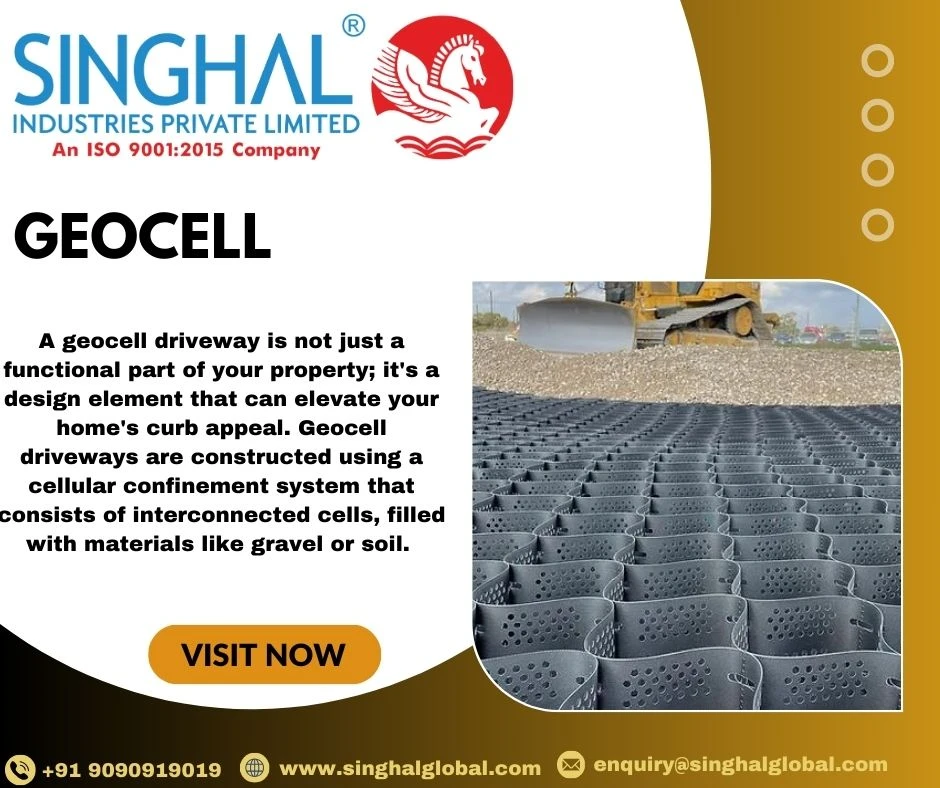

Introduction to Geocells
Geocells are innovative engineering structures used for soil stabilization and erosion control in various construction projects. These three-dimensional cellular confinement systems consist of interconnected honeycomb-like structures made from high-density polyethylene (HDPE) or other durable materials. Geocells effectively confine and reinforce soil, providing stability and preventing erosion in diverse applications.
Understanding Geocell Structure
Geocells feature a modular design comprising interconnected cells or chambers that are expanded on-site and filled with soil, aggregate, or concrete. This unique structure enhances load distribution, promotes soil compaction, and increases the bearing capacity of weak soils, making them ideal for a wide range of geotechnical and civil engineering projects.
Applications of Geocells
Geocells in Road Construction
One of the primary applications of geocells is in road construction. Geocell-reinforced soil provides a cost-effective solution for building stable and durable roadways, especially in areas with poor soil quality or high traffic loads. Geocell confinement improves load distribution, reduces vertical and horizontal displacements, and extends the lifespan of roads, making them suitable for both urban and rural infrastructure development projects.
Geocell Driveways: Sustainable Solution for Residential Spaces
Geocell Driveways India have gained popularity as a sustainable alternative to traditional paving materials. By utilizing geocells filled with gravel or grass, homeowners can create permeable surfaces that allow water infiltration, reduce runoff, and minimize erosion. Geocell driveways offer excellent load-bearing capacity, durability, and environmental benefits, making them an attractive choice for residential properties.
Benefits of Geocells
Enhanced Soil Stability
Geocells provide effective soil confinement, preventing soil erosion and improving stability in various applications such as embankments, retaining walls, and slope protection.
Cost-Effective Solutions
Compared to traditional soil stabilization methods, geocells offer significant cost savings by reducing the need for extensive excavation, imported fill materials, and maintenance.
Environmental Sustainability
Geocells promote sustainable development by minimizing the environmental impact of construction activities through reduced soil disturbance, improved stormwater management, and enhanced vegetation growth.
Geocell Manufacturers: Leading the Industry
Singhal Industries is a renowned Geocell Manufacturers in India offering high-quality products engineered to meet the demanding requirements of civil engineering and geotechnical projects. With a commitment to innovation and excellence, Singhal Industries continues to lead the industry in providing reliable solutions for soil stabilization and erosion control.
Geocells in India: Advancing Infrastructure Development
In India, geocells play a vital role in advancing infrastructure development, particularly in road construction, slope stabilization, and retaining wall projects. With the growing demand for sustainable and cost-effective solutions, geocell technology offers immense potential for addressing the country's infrastructure challenges and promoting sustainable urban development.
Conclusion
Geocells represent a versatile and sustainable solution for soil stabilization and erosion control in civil engineering and Geocell In Road Construction. With their unique design, cost-effectiveness, and environmental benefits, geocells continue to revolutionize the construction industry, providing engineers and developers with innovative tools to overcome soil-related challenges and create resilient infrastructure.
FAQs (Frequently Asked Questions)
Are geocells suitable for all soil types?
Geocells are adaptable to various soil conditions, including clay, silt, sand, and gravel, making them suitable for a wide range of applications.
How long do geocell-reinforced structures last? Geocell-reinforced structures can have a lifespan of up to 50 years or more, depending on factors such as environmental conditions and maintenance.
Can geocells be installed in environmentally sensitive areas?
Yes, geocells are environmentally friendly and can be installed in sensitive areas with minimal disruption to the natural habitat.
Do geocell driveways require special maintenance?
Geocell driveways require minimal maintenance, typically consisting of occasional debris removal and surface regrading to ensure proper drainage.
What are the environmental benefits of using geocells?
Geocells promote environmental sustainability by reducing soil erosion, improving stormwater management, and supporting vegetation growth, thus enhancing ecosystem resilience.










Sign in to leave a comment.