
 Soft soil stabilization has long been a challenge in civil engineering, particularly in regions with expansive clayey soils or loose, unconsolidated sediments. These soils pose significant risks to infrastructure, such as roads, railways, embankments, and foundations, due to their low bearing capacity, high compressibility, and susceptibility to settlement. Traditional methods of soil stabilization, such as mechanical compaction or chemical stabilization, have limitations and may not always provide cost-effective or sustainable solutions.
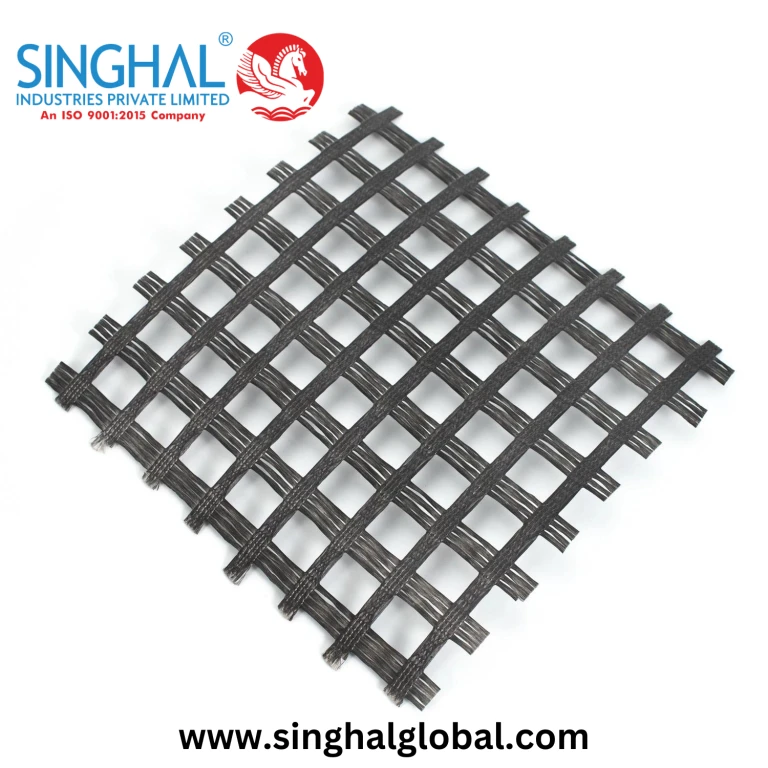
In recent years, the use of geosynthetic materials, particularly biaxial geogrids, has gained traction in soft soil stabilization projects. Biaxial geogrids are manufactured from high-density polyethylene (HDPE) or polypropylene (PP) and are characterized by their open-grid structure, which provides reinforcement to the soil mass. This article explores the geotechnical performance of biaxial geogrids in soft soil stabilization, with a focus on their application in India, considerations for pricing, and commonly asked questions regarding their usage.
The Role of Biaxial Geogrids in India:
India, with its diverse geology and varying soil conditions, presents a significant demand for soil stabilization solutions. Biaxial geogrids have emerged as a preferred choice for engineering projects across the country due to their versatility and effectiveness in reinforcing soft soils. Whether it\'s stabilizing embankments for highway construction, reinforcing retaining walls, or improving the bearing capacity of weak subgrades, biaxial geogrids have demonstrated their utility in diverse applications.
The adoption of Biaxial geogrids in India is also driven by their compatibility with local soil conditions and construction practices. Manufacturers and suppliers offer a range of geogrid products tailored to the specific requirements of Indian soil types, ensuring optimal performance and longevity of infrastructure projects. Additionally, ongoing research and development efforts aim to further enhance the effectiveness of biaxial geogrids in addressing the unique challenges posed by soft soils in the Indian context.
Considerations for Biaxial Geogrid Pricing:
The pricing of biaxial geogrids is influenced by various factors, including raw material costs, manufacturing processes, transportation expenses, and market dynamics. In the Indian market, the price of biaxial geogrids may vary depending on the quality standards, brand reputation, and project specifications. While cost considerations are important, it\'s essential to prioritize the long-term performance and durability of geogrid materials to ensure the success of soil stabilization projects.
When evaluating the Biaxial geogrids price, project planners and engineers should consider the total cost of ownership, which encompasses not only the initial procurement cost but also installation, maintenance, and potential savings achieved through improved project outcomes. Engaging with reputable suppliers and manufacturers who offer competitive pricing without compromising on quality can help optimize the value proposition of biaxial geogrids for soft soil stabilization projects in India.
Conclusion
In conclusion, biaxial geogrids offer a promising solution for soft soil stabilization challenges in India and beyond. Their geotechnical performance, coupled with considerations for pricing and compatibility with local soil conditions, makes them a valuable asset for infrastructure development projects. By addressing frequently asked questions and staying abreast of technological advancements, engineers and project stakeholders can harness the full potential of PP biaxial geogrid to build resilient and sustainable infrastructure for the future.
Frequently Asked Questions (FAQs):
What is the typical lifespan of biaxial geogrids in soft soil stabilization projects?
Biaxial geogrids are designed to provide long-term reinforcement to soft soils and typically have a lifespan ranging from 10 to 30 years, depending on factors such as environmental conditions, installation quality, and site-specific factors.
Can biaxial geogrids be used in conjunction with other soil stabilization techniques?
Yes, biaxial geogrids are often used in combination with other soil stabilization methods, such as geotextiles, soil nails, or chemical additives, to achieve synergistic effects and optimize project outcomes. The choice of stabilization technique depends on site conditions and project requirements.
How does the installation of biaxial geogrids differ from traditional soil stabilization methods?
Unlike traditional methods such as mechanical compaction or chemical stabilization, the installation of biaxial geogrids involves laying the geogrid material directly onto the soil surface and securing it in place using mechanical fasteners or anchoring systems. This approach minimizes excavation and disturbance to the existing soil, reducing construction time and costs.
Are biaxial geogrids environmentally sustainable?
Biaxial geogrids are manufactured from recyclable materials such as HDPE or PP and can contribute to environmental sustainability by reducing the need for virgin materials and minimizing soil excavation during construction. Additionally, their long service life helps prolong the lifespan of infrastructure, reducing the overall environmental footprint of civil engineering projects.










Sign in to leave a comment.