
Introduction
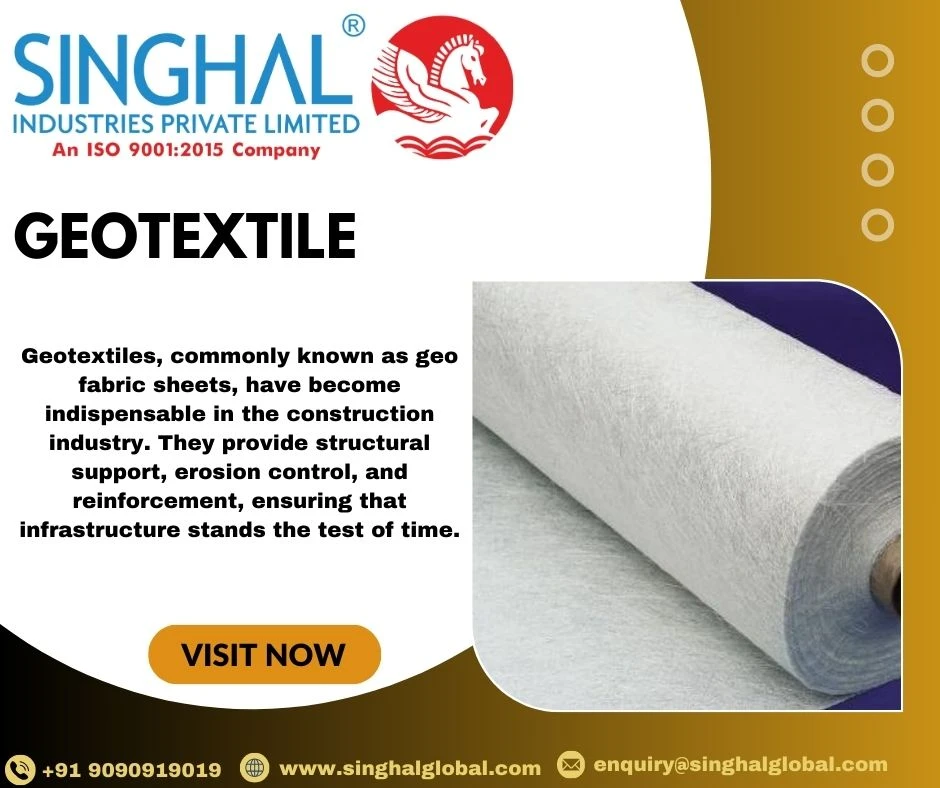
Have you ever wondered how modern construction projects manage to stay intact even in the face of natural challenges like soil erosion and unstable ground? The answer often lies in a fascinating material called geotextiles. These innovative fabrics are revolutionizing the way we approach soil stabilization and erosion control, providing a robust solution that marries technology and sustainability.
Types of Geotextiles
Geotextiles come in various forms, each designed for specific applications and benefits. Let's dive into the three main types:
Woven Geotextiles
Woven geotextiles are made by interlacing yarns or fibers to create a strong, durable fabric. They are ideal for applications requiring high tensile strength, such as road construction and reinforcement projects.
Non-Woven Geotextiles
Non-woven geotextiles are produced by bonding fibers together through mechanical, chemical, or thermal means. These fabrics are known for their excellent filtration properties and are commonly used in drainage and erosion control.
Knitted Geotextiles
Knitted geotextiles, though less common, offer a unique combination of flexibility and strength. They are typically used in specialized applications where other geotextile types may not be suitable.
Applications of Geotextiles
The versatility of geotextiles means they can be used in a wide range of applications. Here are some of the most common:
Road Construction
In road construction, geotextiles play a crucial role in enhancing durability and performance. They provide separation, reinforcement, and filtration, which helps in maintaining the integrity of the road structure.
Erosion Control
Geotextiles are highly effective in controlling erosion. By stabilizing the soil and promoting vegetation growth, they prevent soil displacement caused by water or wind.
Drainage Systems
In drainage systems, geotextiles act as filters, allowing water to pass through while preventing soil particles from clogging the drainage channels.
Geotextiles in Road Construction
Using geotextiles in road construction can significantly improve the lifespan and functionality of roads. Here's how:
Role and Benefits
Geotextiles provide a stable foundation by separating different soil layers, preventing mixing, and enhancing load distribution. This results in roads that are less prone to rutting and deformation.
Geotextile for Road Construction Techniques
Various techniques are employed when using geotextiles in road construction. Geotextile For Road Construction These include placing the geotextile between soil layers, using it for embankment reinforcement, and incorporating it into the asphalt layers to prevent reflective cracking.
Case Studies and Examples
Numerous case studies highlight the effectiveness of geotextiles in road construction. For instance, in a project by Singhal Industries, geotextiles were used to reinforce a major highway, resulting in a notable improvement in road stability and longevity.
Geotextile GSM Manufacture
Understanding the GSM (grams per square meter) in geotextiles is essential for selecting the right product for specific applications.
Understanding GSM in Geotextiles
GSM indicates the weight of the geotextile per square meter and is a key factor in determining its strength and durability. Higher GSM values typically mean stronger and more durable fabrics.
Manufacturing Process
The manufacturing process of geotextiles involves selecting the right raw materials, creating the fabric through weaving or bonding, and ensuring quality control at every stage.
Key Manufacturers
Singhal Industries is a prominent manufacturer known for producing high-quality geotextiles with various GSM specifications, catering to diverse construction needs.
Advantages of Geotextiles
Geotextiles offer several advantages that make them indispensable in modern construction:
Soil Stabilization
Geotextiles reinforce soil, making it more stable and capable of supporting heavy loads.
Prevention of Erosion
By stabilizing the soil and promoting vegetation growth, geotextiles effectively prevent erosion, protecting landscapes and infrastructure.
Cost-Effectiveness
Compared to traditional methods, geotextiles are often more cost-effective due to their ease of installation and long-term durability.
Installation Techniques
Proper installation is crucial for maximizing the benefits of geotextiles.
Preparation of the Site
Before laying geotextiles, the site must be properly prepared by clearing debris and leveling the ground.
Laying the Geotextile
The geotextile is then laid out according to the project specifications, ensuring it covers the required area without gaps or overlaps.
Securing and Covering
Once in place, the geotextile is secured and covered with the appropriate materials, such as soil, gravel, or asphalt, depending on the application.
Geotextiles for Erosion Control
Geotextile In Road Construction are highly effective in combating erosion, protecting both natural landscapes and constructed environments.
Mechanism of Erosion Control
Geotextiles work by stabilizing the soil and allowing vegetation to establish, which anchors the soil and prevents it from being washed away by water or blown away by wind.
Application Methods
Different methods, such as slope stabilization, shoreline protection, and vegetated geotextiles, are used depending on the specific erosion control needs.
Long-Term Benefits
The long-term benefits of using geotextiles for erosion control include reduced maintenance costs, enhanced landscape stability, and improved environmental quality.
Environmental Impact
Geotextiles offer significant environmental benefits, making them a sustainable choice for many projects.
Sustainable Practices
Using geotextiles promotes sustainable practices by reducing the need for non-renewable resources and minimizing environmental disruption.
Geotextiles vs. Traditional Methods
Compared to traditional methods, geotextiles are less invasive and often more effective, providing a greener solution to construction challenges.
Case Studies of Environmental Benefits
Several projects have demonstrated the environmental benefits of geotextiles, such as reduced soil erosion, improved water quality, and enhanced vegetation growth.
Geotextiles in Agriculture
Geotextiles are also finding applications in agriculture, helping to improve soil health and water management.
Soil Reinforcement
In agriculture, geotextiles are used to reinforce soil, preventing erosion and improving crop yields.
Water Conservation
Geotextile GSM Manufacture help in water conservation by reducing runoff and promoting water retention in the soil.
Examples of Use in Agriculture
Examples of geotextiles in agriculture include use in irrigation systems, greenhouse flooring, and soil stabilization in fields and orchards.
Maintenance and Longevity
To ensure geotextiles perform optimally, proper maintenance and understanding factors affecting their longevity are crucial.
Maintenance Practices
Regular inspection and timely repairs are essential to maintain the effectiveness of geotextiles.
Factors Affecting Longevity
Factors such as UV exposure, physical wear, and chemical exposure can affect the lifespan of geotextiles. Using UV-resistant materials and protecting them from damage can extend their lifespan.
Tips for Extending Lifespan
Tips for extending the lifespan of geotextiles include proper installation, regular maintenance, and using protective coverings where necessary.
Innovations in Geotextiles
The field of geotextiles is continuously evolving, with new materials and technologies emerging.
New Materials and Technologies
Innovations such as biodegradable geotextiles and geotextiles with enhanced properties are being developed to meet specific project needs.
Smart Geotextiles
Smart geotextiles incorporate sensors and other technologies to monitor soil conditions and provide real-time data for better decision-making.
Future Trends
Future trends in geotextiles include the development of more sustainable materials and the integration of advanced technologies to improve performance and functionality.
Challenges and Considerations
While geotextiles offer many benefits, there are also challenges and considerations to keep in mind.
Common Issues in Installation and Use
Common issues include improper installation, selection of the wrong type of geotextile, and physical damage during construction.
Overcoming Challenges
Proper planning, training, and selecting the right geotextile for the specific application can help overcome these challenges.
Important Considerations for Planners
Planners should consider factors such as soil type, environmental conditions, and project requirements when selecting and installing geotextiles.
Singhal Industries: Leading the Way
Singhal Industries is at the forefront of geotextile innovation, providing high-quality products for various applications.
Overview of Singhal Industries
Singhal Industries is a leading manufacturer of geotextiles, known for their commitment to quality and innovation.
Their Role in Geotextile Manufacturing
Singhal Industries produces a wide range of geotextiles, catering to different construction needs with products that are durable, reliable, and cost-effective.
Innovative Products from Singhal Industries
Some of their innovative products include geotextiles with enhanced UV resistance, biodegradable options, and high-strength fabrics for heavy-duty applications.
Conclusion
Geotextiles are transforming the way we approach soil stabilization and erosion control, offering a versatile, cost-effective, and environmentally friendly solution. From road construction to agriculture, their applications are vast and varied, making them an essential tool in modern construction and environmental management. With ongoing innovations and dedicated manufacturers like Singhal Industries, the future of geotextiles looks promising and exciting.
FAQs
What are geotextiles made of?
Geotextiles are typically made from synthetic fibers like polypropylene or polyester, which provide durability and resistance to environmental conditions.
How do geotextiles prevent erosion?
Geotextiles stabilize the soil and promote vegetation growth, which anchors the soil and prevents it from being washed or blown away.
Can geotextiles be used in residential projects?
Yes, geotextiles can be used in residential projects for landscaping, erosion control, and drainage solutions.
What is the lifespan of geotextiles?
The lifespan of geotextiles can vary depending on the material and application, but they generally last from 10 to 20 years with proper maintenance.
Are geotextiles environmentally friendly?
Yes, geotextiles are environmentally friendly as they reduce soil erosion, promote sustainable practices, and can be made from recyclable or biodegradable materials.










Sign in to leave a comment.