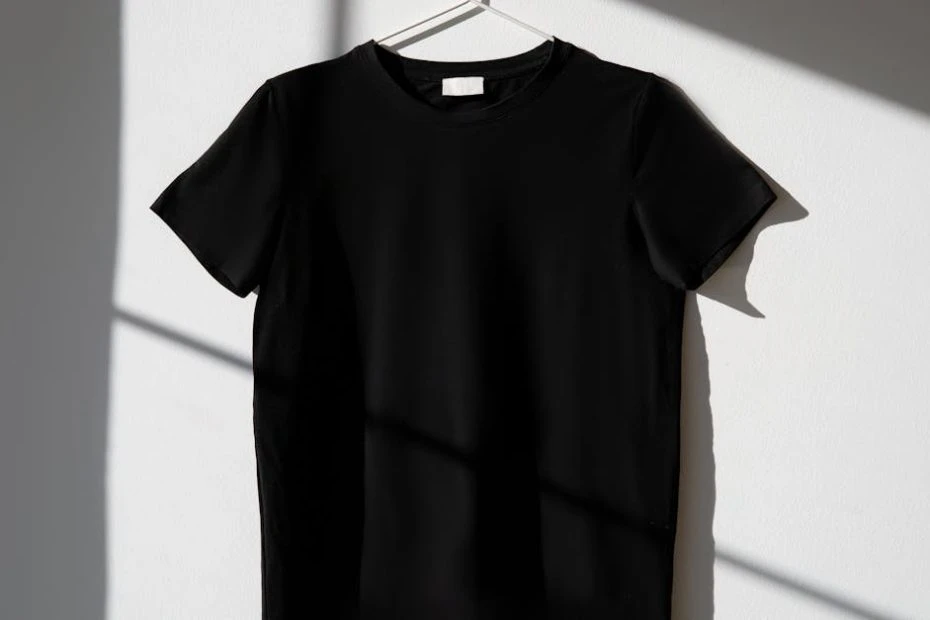

Ordering team uniforms used to mean picking from a catalogue of pre-made designs and hoping the colours were close enough to what the team wanted. Those days are long gone. Printing technology has advanced to the point where any team, from a weekend beer league to a competitive travel squad, can get fully custom jerseys designed from scratch with no minimum order headaches and no compromises on quality.
The process of creating custom team wear has become surprisingly accessible. Players, coaches, and league organisers across Canada are taking advantage of modern printing methods to get uniforms that look professional, fit well, and hold up through a full season of play.
Why Teams Are Moving to Custom Printed Jerseys
Stock jerseys served their purpose for decades, but they come with limitations. Colour options are restricted. Logo placement is fixed. Font choices are limited to whatever the manufacturer offers. And when a team wants something that stands out, stock options fall flat.
T-shirt printing technology has changed the game for team sports. Sublimation printing, in particular, allows full-colour, all-over designs that are baked directly into the fabric rather than sitting on top of it. The result is a jersey where the design will not crack, peel, or fade, no matter how many times it goes through the wash.
This matters for sports uniforms because they take a beating. They get soaked in sweat, stuffed into gym bags, thrown in the laundry with everything else, and worn week after week for an entire season. A printing method that bonds colour directly into the fibres of the fabric stands up to this kind of treatment far better than screen printing or heat transfers.
Custom Hockey Jerseys for Canadian Leagues
Hockey is woven into the fabric of Canadian culture, and teams at every level take pride in their jerseys. Whether it is a minor hockey association, a rec league, or a corporate tournament team, custom hockey jerseys give players a sense of identity and belonging that generic jerseys simply cannot match.
A well-designed hockey jersey includes more than just a logo on the front. It has matching colours on the sleeves, hem, and collar. It has player numbers on the back and arms that are sized correctly and positioned according to league standards. It has the team name across the chest or shoulders in a font that reflects the team’s personality.
Design Elements That Matter
When designing hockey jerseys, there are several details worth getting right. Sleeve stripes and hem patterns should complement the main design without overwhelming it. The colour palette should work on the ice, where certain colours can look washed out under arena lighting. Numbers should be large enough to read from the stands, which is both a practical consideration and often a league requirement.
The fabric weight matters too. Hockey jerseys need to be thick enough to drape properly over shoulder pads and chest protectors, but breathable enough to allow moisture to escape. Most modern hockey jersey fabrics use a mesh construction that balances these needs.
Baseball Jerseys with a Personal Touch
Baseball teams in Canada range from little league squads to adult slowpitch leagues, and each one has its own style. Custom baseball jerseys allow teams to choose between traditional button-front designs and modern pullover styles, with full control over colours, fonts, and graphics.
Baseball has strong traditions when it comes to jersey design. Pinstripes, script lettering, and classic colour combinations all draw on decades of baseball history. But there is also room for creativity. Slowpitch leagues, in particular, tend to embrace bold designs, humorous team names, and unconventional colour schemes that would never fly in a formal league.
Choosing Between Button-Front and Pullover
Button-front jerseys have a classic look that many baseball players prefer. They hang differently than pullovers, with a more relaxed fit that allows air to circulate. Pullovers, on the other hand, are simpler to produce, often less expensive, and eliminate the risk of buttons popping off during a slide into second base.
The choice often comes down to the level of play and personal preference. Competitive teams tend to lean toward button-front for the traditional aesthetic, while recreational teams often choose pullovers for their convenience and durability.
Soccer Jerseys for Clubs and Recreational Teams
Soccer is one of the fastest-growing sports in Canada, with leagues and clubs forming in communities of all sizes. Custom soccer jerseys are lightweight, moisture-wicking, and designed for a sport that demands constant movement and unrestricted range of motion.
Soccer jersey design tends to be more adventurous than other sports. Gradient colour effects, geometric patterns, and asymmetric designs are all common in professional soccer, and that creativity has filtered down to amateur and recreational levels. Teams can draw inspiration from international club designs or create something entirely original.
Fit and Fabric Considerations
Soccer players run constantly, so jersey fit is critical. Too tight and it restricts movement. Too loose and it gives opponents something to grab during shoulder-to-shoulder challenges. The ideal soccer jersey has a semi-fitted cut that follows the body without clinging to it.
Fabric technology for soccer jerseys focuses on moisture management. Polyester blends with mesh panels in high-heat areas like the underarms and back help players stay cool during matches. The fabric should be light enough that players barely notice they are wearing it, which is a real factor in performance during long matches on hot days.
The Ordering Process for Custom Team Wear
Getting custom jerseys made typically follows a straightforward process. It starts with a design consultation, where the team provides logos, colour preferences, and any specific design ideas. A designer creates mockups that the team can review and revise until the design is exactly right.
Once the design is approved, the team provides a sizing list with player names and numbers. This is where attention to detail matters most, because spelling errors and wrong numbers are difficult and expensive to fix after printing. Double-checking every entry on the roster against the order list prevents disappointment on jersey day.
Turnaround Times and Planning Ahead
Production times vary depending on the printing method, the complexity of the design, and the time of year. The weeks leading up to the start of hockey, baseball, and soccer seasons are peak times for jersey producers, and orders placed during these periods may take longer to complete.
Planning ahead pays off. Teams that submit orders well before their season starts have more time for design revisions, sizing adjustments, and shipping. Rush orders are usually possible but come with additional costs that can be avoided with better planning.
Sizing and Fit Across Different Sports
Each sport has its own fit expectations, and getting sizing right is one of the most important parts of ordering custom jerseys. Hockey jerseys need to accommodate equipment underneath, so they run larger than standard clothing sizes. Baseball jerseys are typically relaxed fit with room in the chest and shoulders. Soccer jerseys follow a closer, more athletic cut.
Most jersey producers provide size charts specific to each sport, and ordering samples before committing to a full team order is a smart move. Having two or three sample sizes available for players to try on prevents the common problem of jerseys that looked right on paper but do not fit in person.
Care and Longevity of Printed Jerseys
How a jersey is cared for directly affects how long it lasts. Sublimation-printed jerseys are the most durable, but even they benefit from proper washing. Cold water, gentle cycle, and air drying are the standard recommendations. Avoiding fabric softeners helps maintain the moisture-wicking properties of performance fabrics.
T-shirt printing methods like screen printing and vinyl heat transfer require more careful handling. Washing inside out, avoiding high heat in the dryer, and keeping the printed areas away from rough fabrics all help extend the life of the design.
Teams that take care of their jerseys can often get two or three seasons of use from a single set, which spreads the initial cost over a longer period and provides better value. Storing jerseys flat or on hangers rather than stuffed in a bag also helps maintain their shape and appearance between seasons.
Making the Most of Team Identity
A jersey is more than a piece of clothing worn during a game. It represents the team, creates unity among players, and often becomes a keepsake that players hold onto long after the season ends. Investing time in the design process, choosing quality printing methods, and ordering the right fits and sizes all contribute to a final product that players are proud to put on every game day.


































Sign in to leave a comment.