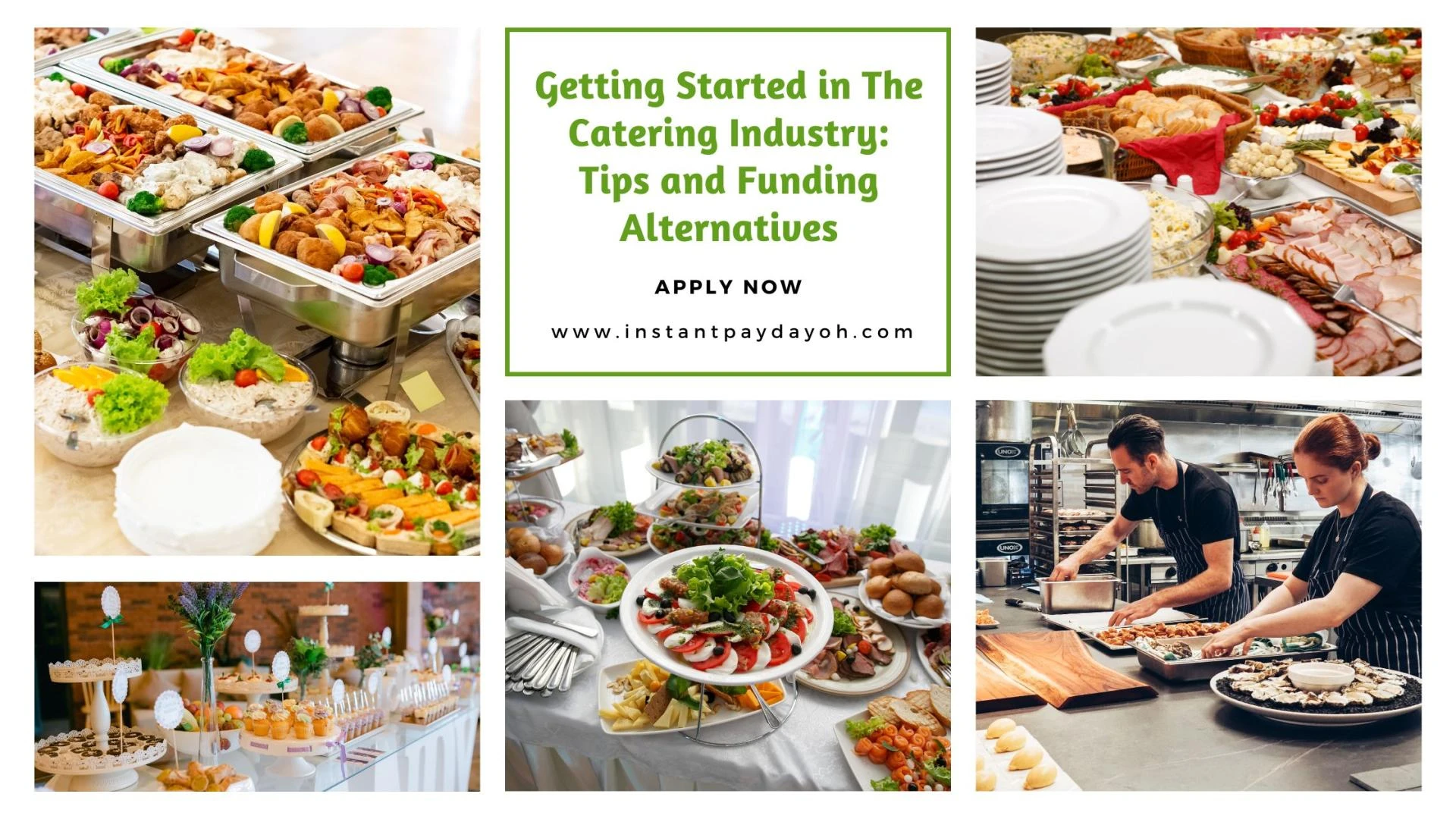

The catering industry is a diverse and growing sector that offers a range of opportunities for entrepreneurs and food enthusiasts.
Whether you're looking to start a small catering business from home or launch a full-service catering company, there are a few key steps you need to take to get started.
In this blog, we'll provide tips for getting started in the catering industry, as well as some funding alternatives to help you finance your business.
Define Your Niche
Before you can start your catering business, you need to define your niche.
This will help you to focus on the type of food you want to serve, the type of clients you want to target, and the type of events you want to cater for.
You could specialize in catering for weddings, corporate events, or private parties. Alternatively, you may decide to focus on a specific type of cuisine, such as Italian, French, or Chinese.
It's important to choose a niche that you are passionate about and have experience in. This will help you to deliver high-quality food and service to your clients and build a reputation as an expert in your field.
Develop Your Business Plan
A business plan is a crucial step in getting started in the catering industry. It outlines your business goals, target market, competition, financial projections, and marketing strategy.
It also includes a section on funding, which we'll discuss in more detail later in this post.
Your business plan should be detailed and comprehensive, as it will serve as a roadmap for your business. It should also be flexible enough to accommodate changes in your business strategy as you grow and expand.
Build Your Brand
Your brand is what sets you apart from your competitors and helps you to attract clients. It includes your logo, website, social media presence, and marketing materials.
Your brand should reflect your business values and personality and should be consistent across all your marketing channels.
A strong brand will help you to build trust with your clients and establish yourself as a professional in the catering industry.
Get the Right Equipment
The right equipment is essential for running a successful catering business. This includes kitchen equipment, such as ovens, refrigerators, and cooking utensils, as well as serving equipment, such as plates, glasses, and silverware.
Investing in high-quality equipment may be costly, but it will pay off in the long run by helping you to deliver top-notch food and service to your clients.
Network and Build Relationships
Networking is an essential part of building a successful catering business. Attend industry events, such as food festivals and trade shows, to meet other professionals in the industry and learn about new trends and technologies.
You should also reach out to potential clients and build relationships with them. Attend events in your target market and offer your services at a discounted rate to build your portfolio and gain referrals.
Hire and Train Employees
Once you've started your catering business, you'll need to hire and train employees to help you deliver high-quality food and service to your clients.
When hiring employees, look for individuals who are passionate about food and have experience in the catering or hospitality industry.
Once you've hired your team, provide them with comprehensive training on food safety, customer service, and catering operations.
This will help ensure that your employees are able to deliver a consistent and high-quality experience to your clients.
Funding Alternatives
Here are some additional details on the funding alternatives that can be considered when starting a catering business:
Small Business Loans
Small business loans are one of the most popular ways to finance a new catering business. You can obtain a short term payday loan from a traditional bank, credit union, or online lender.
To qualify for a loan, you'll typically need to have a solid business plan and a good credit score.
Crowdfunding
Crowdfunding platforms such as Kickstarter and GoFundMe allow you to raise money from a large group of people by creating a campaign and offering rewards in exchange for donations.
This can be a good option if you have a compelling business idea and a strong social media presence.
However, keep in mind that crowdfunding can be competitive and requires a lot of effort to promote and manage your campaign.
Grants
Grants are another funding alternative that can be available to catering businesses. You can research and apply for grants from government agencies, nonprofit organizations, and private foundations.
However, the application process for grants can be competitive, and you may need to meet specific criteria or objectives to qualify.
Personal Savings and Credit Cards
Some entrepreneurs may choose to fund their catering business with personal savings or credit cards. This can be a risky option, as it may put your personal finances at risk if the business fails.
If you do choose to use personal funds, it's important to keep track of your expenses and income carefully to ensure that you're not overspending or taking on more debt than you can handle.
Partnering with Investors
Partnering with investors can be a great way to access additional funding while also gaining valuable expertise and support from experienced professionals in the industry.
This involves finding individuals or companies who are willing to invest in your business in exchange for a share of ownership or profits.
Ultimately, the funding alternative that you choose will depend on your personal financial situation, business goals, and the resources available to you.
It's important to research and compare these options carefully to find the best fit for your business and goals.
Conclusion
Starting a catering business can be an exciting and rewarding endeavor, but it requires careful planning, preparation, and financial resources.
By defining your niche, developing a business plan, building your brand, networking and building relationships, and investing in the right equipment, you can set yourself up for success in the catering industry.
If you need financial assistance, there are several funding alternatives available, including small business loans, crowdfunding, grants, personal savings and credit cards, and partnering with investors.
It's important to research and compare these options carefully to find the best fit for your business and goals.
With the right preparation, funding, and hard work, you can build a thriving catering business and make your mark in the industry.






Sign in to leave a comment.