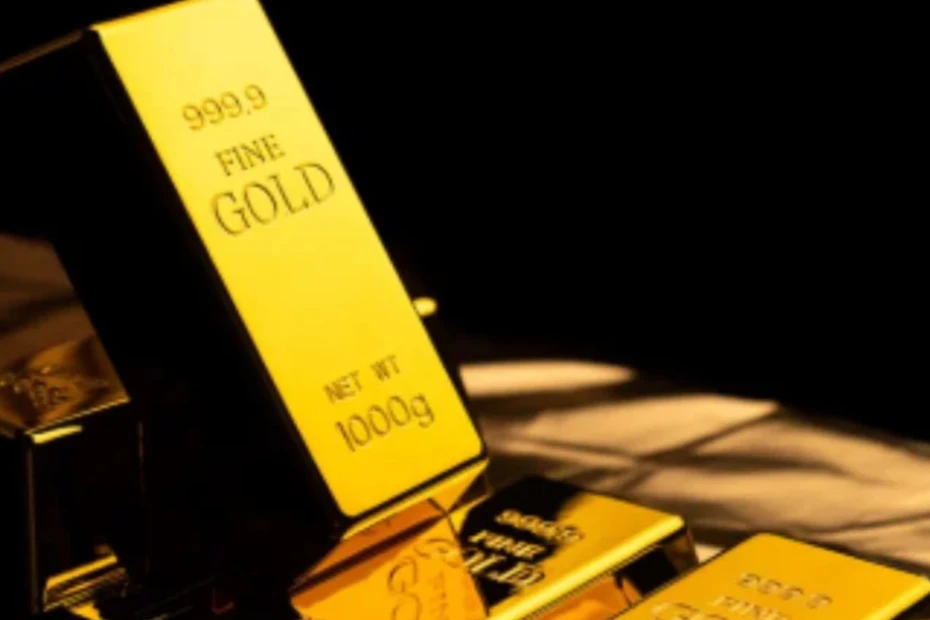

Most homes have gold sitting somewhere. A ring in the back of a drawer. A broken chain in a jewellery box. Earrings missing their pair. These items might seem worthless, but they hold real value. Gold is gold, whether it is shiny and new or scratched and broken. Knowing what to do with these pieces can put money back in your pocket.
Why Gold Always Has Value
Gold does not lose its worth like many other things. A car drops in value the moment it leaves the lot. Electronics become outdated within a few years. But gold bought decades ago is still worth something. In fact, gold prices have risen over time, meaning old pieces might be worth more now than when they were first bought.
This is why Cash For Gold services exist. They take items that people no longer want or need and pay based on the gold content. The condition of the piece matters less than the purity and the amount of gold it contains. A bent ring and a perfect ring with the same gold content will fetch similar prices.
The market price of gold changes daily. It is traded on international markets and priced in US dollars. The local value depends on the exchange rate. When the rand is weak, gold prices in South Africa tend to be higher. Checking the current price before selling gives a sense of what to expect.
Types of Gold People Commonly Sell
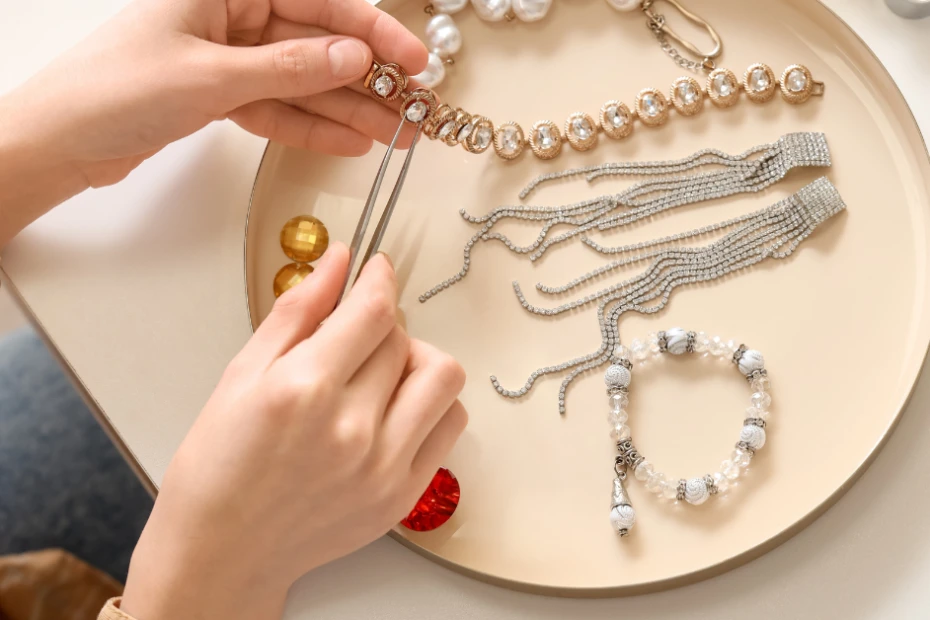
Jewellery is the most common item people bring in. Rings, bracelets, necklaces, earrings, and watches with gold cases all qualify. Some pieces are solid gold. Others are gold-plated, which has much less value. A buyer will test each item to determine what it is made of.
Broken jewellery is still worth selling. A snapped chain, a ring with a missing stone, or a bracelet with a broken clasp can all be sold. The gold content remains the same regardless of whether the piece can be worn. Many people are surprised at how much they get for items they assumed were worthless.
Coins are another category. Gold coins like Krugerrands are popular in South Africa. These are often sold separately from jewellery and may fetch higher prices if they are in good condition or have collector value. Scrap gold, which includes dental gold, gold flakes, or gold from electronics, can be sold too, though the process might differ.
Finding Somewhere to Sell
A common starting point is searching for cash for gold near me to see what options are available. This brings up local shops, dealers, and services that buy gold. Not all buyers are the same. Some offer better prices than others. Some are more trustworthy. Taking time to find a good buyer pays off.
Look for a buyer with a physical location and a clear reputation. Reviews and word of mouth help identify places that treat sellers fairly. Avoid anyone who pressures you into a quick sale or refuses to explain how they calculated their offer. A good buyer is transparent and willing to answer questions.
The decision to sell gold should not be rushed. Get quotes from more than one place. Compare what each offers and ask how they arrived at that number. A few extra minutes of effort can result in a better payout.
How the Process Works
When visiting Gold Buyers, the first step is usually an inspection. The buyer will look at each item, test its purity, and weigh it. Testing might involve acid solutions, electronic testers, or other methods. This tells the buyer whether the piece is 9ct, 14ct, 18ct, or another purity.
After testing, the buyer calculates the value based on the current gold price. They will make an offer. If the seller agrees, payment is made. Many buyers pay cash on the spot. Others transfer funds electronically. Either way, the transaction is usually quick.
Sellers should bring identification. Reputable buyers follow regulations that require recording details of each transaction. This protects both parties and keeps the process above board. A receipt should always be provided.
Getting Local Quotes
Searching for gold buyers near me helps narrow down options to places that are easy to visit. Meeting in person has advantages. Sellers can see the buyer’s premises, watch the testing process, and ask questions face to face. It feels more secure than sending items through the mail.
Local buyers often offer same-day payment. Walk in with gold, walk out with cash. For people who need money quickly, this convenience matters. There is no waiting for appraisals or bank transfers to clear.
That said, not every local buyer offers the best price. Comparing a few options helps identify who is paying fairly and who is lowballing. The extra effort is worth it when it means getting hundreds or thousands more for the same items.
Common Questions People Have
Many people wonder where can I sell gold for cash without getting ripped off. The answer is to deal with established buyers who have a track record of fair dealing. Check reviews. Ask friends or family if they have sold gold before and where they went. Avoid street buyers or door-knockers who often pay well below market value.
Another common question is whether broken or damaged items can be sold. The answer is yes. Gold is melted down and refined, so the original form does not matter. A tangled mess of chains is worth the same as a neatly presented necklace if the gold content is identical.
People ask about gold-plated items too. These have a thin layer of gold over another metal. The gold content is minimal, so they are worth much less than solid gold. A buyer will test and let the seller know what they are working with.
The Process of Selling Gold
Selling gold is straightforward once the basics are understood. Gather the items. Check the current gold price. Visit a reputable buyer. Get the items tested and weighed. Receive an offer. Accept or decline. If accepted, get paid.
There is no obligation to sell. If an offer seems too low, walking away is always an option. Another buyer might pay more. Or the seller might decide to hold onto the gold and check prices again later. The choice is always with the seller.
Keeping records of the sale is a good idea. Note the date, the items sold, the buyer’s details, and the amount received. This is useful for personal records and may be needed if questions arise later.
Using a Gold Exchange
A Gold Exchange is a place that specialises in buying and sometimes selling gold. These businesses deal with gold every day. They have the equipment to test items accurately and the knowledge to value them fairly. For sellers, this means a smoother experience and a better chance of getting a fair price.
Searching for a gold exchange near me brings up options in the local area. Visiting in person is usually the best approach. It allows sellers to see how the business operates, ask questions, and get a feel for whether they are dealing with someone trustworthy.
Gold exchanges often buy more than just jewellery. Coins, bars, scrap gold, and even gold from old electronics might be accepted. If there are multiple items to sell, asking about each one can reveal extra value that might otherwise be missed.
Making the Decision
Selling gold is a personal choice. Some people hold onto items for sentimental reasons. Others see them as an emergency fund to tap only when needed. But for those ready to convert gold into cash, the process is simple and quick.

























Sign in to leave a comment.