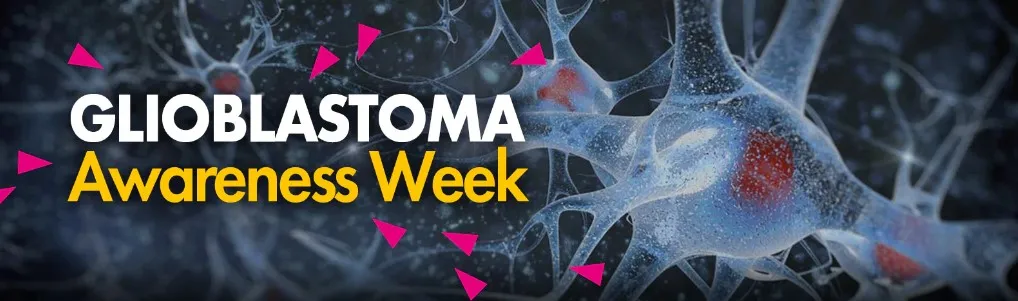

Glioblastoma multiforme is one of the most aggressive and life-threatening forms of brain cancer. During Glioblastoma Awareness Week, Braintumourresearch is helping raise awareness about this devastating disease while supporting research efforts focused on finding better treatments and, ultimately, a cure. Increased awareness can help patients, families, and communities better understand the urgent need for continued brain tumour research.
Understanding Glioblastoma Multiforme
Glioblastoma multiforme, often called GBM, is the most common malignant brain tumour found in adults. It develops from glial cells in the brain and spreads rapidly into surrounding brain tissue. Because of its aggressive nature, GBM remains one of the hardest cancers to treat successfully. Symptoms may include headaches, memory problems, seizures, speech difficulties, and changes in vision or personality.
Medical experts continue to describe glioblastoma as a highly treatment-resistant cancer. Even with surgery, chemotherapy, and radiotherapy, long-term survival rates remain low. Research organizations worldwide are working tirelessly to improve treatment options and patient outcomes.
Why Glioblastoma Awareness Week Matters
Glioblastoma Awareness Week shines a spotlight on the realities faced by patients and families affected by brain tumours. Awareness campaigns encourage more public understanding, increased funding for research, and support for innovative therapies. Organizations dedicated to brain tumour research emphasize that more investment is essential to accelerate scientific breakthroughs.
Through awareness events, educational resources, and fundraising efforts, Braintumourresearch aims to support those impacted by glioblastoma multiforme and inspire action across communities. Public support plays a critical role in helping researchers explore new treatment possibilities and improve patient care.
The Importance of Brain Tumour Research
Research remains one of the strongest tools in the fight against glioblastoma multiforme. Scientists are studying advanced therapies, targeted medicines, immunotherapy, and personalized treatment strategies to better understand how GBM develops and spreads. Recent studies continue to explore innovative ways to improve diagnosis and treatment effectiveness.
Medical organizations and research charities are also focusing on improving quality of life for patients and caregivers. By supporting research initiatives, communities can contribute to progress that may one day lead to more effective therapies and longer survival rates.
Supporting Patients and Families
A glioblastoma diagnosis can be overwhelming for patients and loved ones. Emotional support, reliable information, and access to specialist care are essential during treatment. Awareness campaigns help create stronger support networks while encouraging conversations about the challenges of living with brain cancer.
Many people affected by GBM share their personal stories during awareness events to inspire hope and encourage others facing similar experiences. Communities around the world continue to unite in support of better treatments and increased funding for brain tumour research.
Join the Fight Against Glioblastoma
Glioblastoma multiforme continues to affect thousands of families every year, making awareness and research more important than ever. By supporting Braintumourresearch and participating in Glioblastoma Awareness Week, individuals can help drive progress toward improved treatments and hope for a future cure. Together, greater awareness and continued research can make a meaningful difference in the fight against brain cancer.



























Sign in to leave a comment.