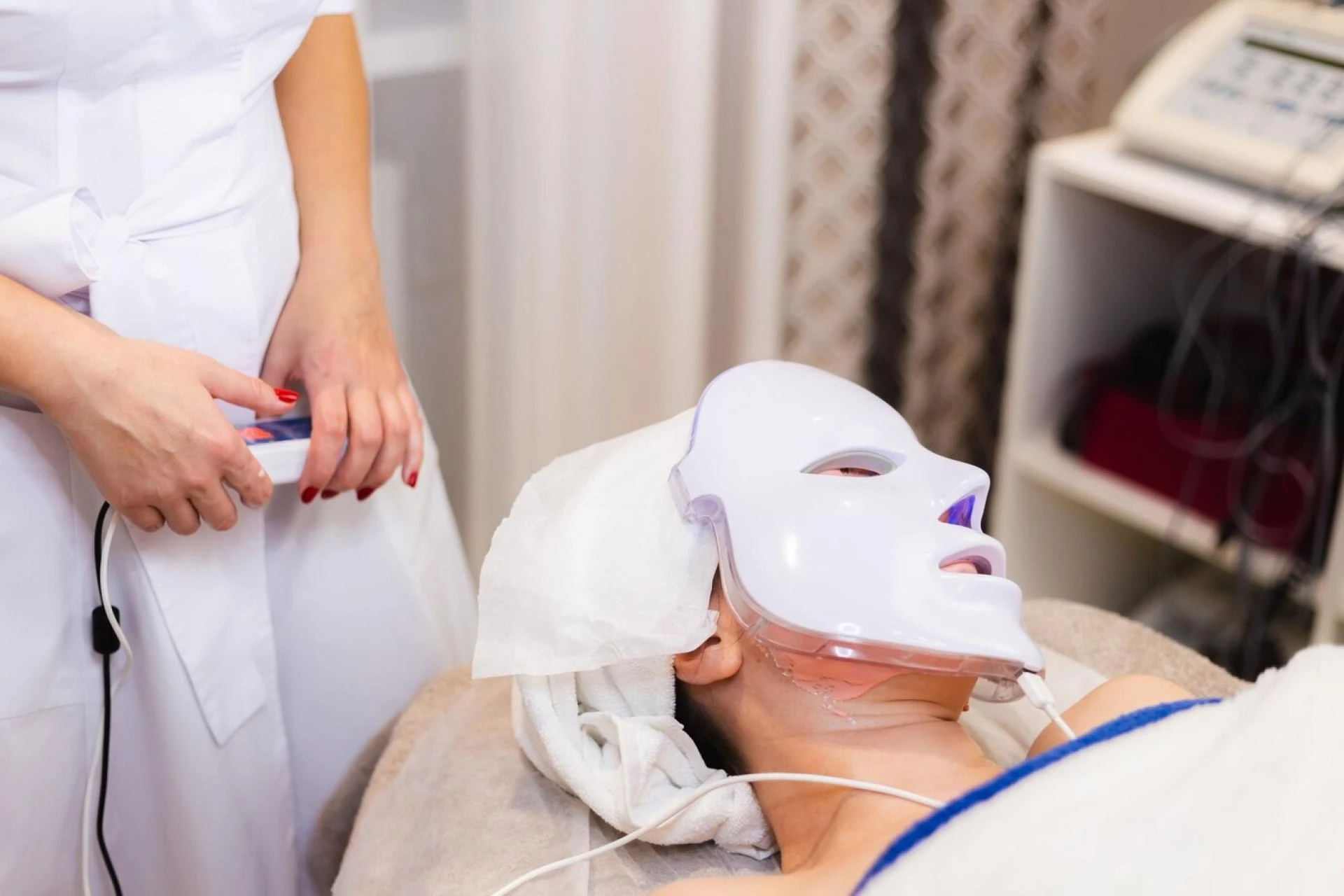

In our pursuit of vibrant, age-defying skin, the myriad of skincare products and treatments often promises more than they deliver. Yet, amidst this landscape emerges LED light therapy treatment– a revolutionary approach reshaping skincare. Harnessing the power of light, this non-invasive treatment offers a transformative solution for those seeking to revitalise their complexion.
Our skin, our body\'s largest organ, shields us from environmental stressors and mirrors our overall well-being. However, factors like ageing, sun exposure, pollution, and lifestyle choices can leave it lacklustre, marred by fine lines, wrinkles, and stubborn acne resistant to conventional treatments.
Enter LED light therapy, a beacon for those battling these issues. By targeting specific wavelengths, it penetrates skin layers, triggering natural cellular processes and fostering healing from within. The outcome? A luminous, youthful complexion that truly reflects skin health.
Join us as we explore LED light therapy\'s mechanisms, benefits, and how it stands against traditional skin care methods. Whether you\'re combating signs of aging, battling acne, or simply yearning for rejuvenation, LED light therapy illuminates the path to radiant, transformed skin.
What is LED Light Therapy?
LED light therapy, short for Light Emitting Diode therapy, is a non-invasive skincare treatment that uses varying wavelengths of light to target different skin concerns. This innovative approach employs light energy to penetrate the skin at different depths, triggering natural intracellular reactions that can lead to multiple benefits for skin health and appearance.
The concept of using light for healing isn\'t new. In fact, the therapeutic use of light dates back thousands of years to ancient civilizations that recognized the healing power of sunlight. However, the modern application of LED light therapy in skincare is a more recent development, rooted in NASA\'s research during the 1990s.
Originally, NASA scientists were exploring the use of LED lights to stimulate plant growth in space. They soon discovered that the same technology could accelerate wound healing and tissue repair in astronauts. This groundbreaking finding paved the way for further research into the potential skincare applications of LED light therapy.
Over the past few decades, dermatologists and skin care professionals have refined LED light therapy techniques, making it a popular and effective treatment for various skin concerns. Today, LED light therapy is widely used in professional settings and is even available in at-home devices, though these are typically less powerful than their clinical counterparts.
The beauty of LED light therapy lies in its versatility and gentleness. Unlike some more aggressive skincare treatments, LED therapy doesn\'t cause damage to the skin to promote healing. Instead, it works on a cellular level, stimulating the skin\'s natural regenerative processes. This makes it suitable for all skin types and tones, with little to no risk of adverse effects when used correctly.
How LED Light Therapy Works
To understand the magic behind LED light therapy, we need to delve into the science of light and its interaction with our skin cells. The treatment\'s effectiveness lies in its ability to penetrate the skin at different depths and trigger specific cellular responses.
Mechanism of Action
When LED light is applied to the skin, it penetrates the epidermis (the outermost layer) and reaches the dermis (the deeper layer where collagen and elastin are produced). The depth of penetration depends on the wavelength of light used – longer wavelengths can reach deeper into the skin.
Once the light reaches its target depth, it\'s absorbed by the skin cells. This absorption triggers a series of metabolic events within the cells, much like how plants use sunlight for photosynthesis. The light energy is converted into cellular energy (ATP), which the cells then use to perform various functions more efficiently.
This boost in cellular energy can lead to:
- Increased collagen and elastin production
- Enhanced blood circulation
- Accelerated tissue repair
- Reduced inflammation
- Destruction of acne-causing bacteria
Different Wavelengths and Their Effects
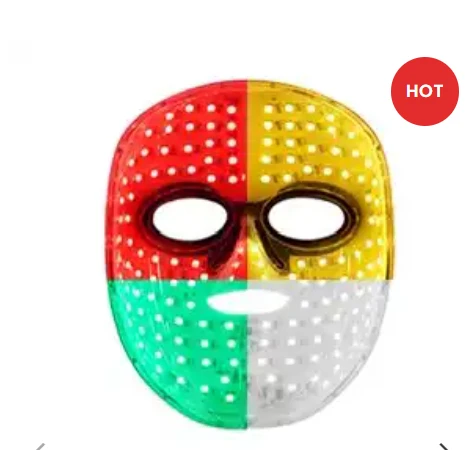
LED light therapy utilises different colours of light, each with its unique wavelength and specific effects on the skin:
- Red Light (630-660 nm): Red light penetrates to a depth of about 8-10 mm, reaching the dermis. It\'s primarily known for its anti-aging benefits. Red light stimulates fibroblasts, the cells responsible for producing collagen and elastin. This leads to improved skin elasticity, reduced fine lines and wrinkles, and an overall more youthful appearance. Additionally, red light can help reduce inflammation and promote faster healing of the skin.
- Blue Light (415-495 nm): Blue light has a shorter wavelength and doesn\'t penetrate as deeply into the skin, making it ideal for treating surface-level concerns. Its primary use is in acne treatment. Blue light effectively targets and destroys acne-causing bacteria (P. acnes) on the skin\'s surface. It also helps regulate oil production, reducing the likelihood of future breakouts. Some studies suggest that blue light may have a calming effect on the skin, making it beneficial for conditions like rosacea.
- Green Light (495-570 nm): Green light falls between blue and red on the spectrum and offers a unique set of benefits. It\'s particularly effective in addressing pigmentation issues and improving overall skin tone. Green light targets melanocytes, the cells responsible for producing melanin (skin pigment). By regulating melanin production, it can help fade dark spots, sun damage, and other types of hyperpigmentation. Green light therapy can also have a calming effect on the skin, reducing redness and irritation.
- Near-Infrared Light (810-850 nm): While not visible to the naked eye, near-infrared light penetrates the deepest into the skin, reaching up to 5 cm below the surface. This makes it highly effective for promoting healing at a cellular level. Near-infrared light is often used in combination with red light to enhance its anti-aging effects. It\'s particularly beneficial for reducing inflammation, promoting wound healing, and improving overall skin health.
Some LED light therapy treatments combine multiple wavelengths to provide a more comprehensive approach to skincare. For instance, a combination of blue and red light can be particularly effective for acne treatment, as it both kills bacteria and reduces inflammation.
Benefits of LED Light Therapy
The versatility of LED light therapy makes it a popular choice for addressing a wide range of skin concerns. Let\'s explore the key benefits that have made this treatment a staple in both professional skin care clinics and at-home routines:
- Improves Skin Tone and Texture: One of the most noticeable benefits of LED light therapy is its ability to enhance overall skin tone and texture. By stimulating collagen production and increasing cell turnover, the treatment helps to smooth out rough patches and even out skin tone. Many users report a more radiant, youthful complexion after a series of treatments.
- Reduces Fine Lines and Wrinkles: As we age, our skin\'s natural collagen production slows down, leading to the formation of fine lines and wrinkles. Red light therapy, in particular, is highly effective in combating these signs of ageing. By boosting collagen and elastin production, it helps to plump up the skin, reducing the appearance of fine lines and wrinkles over time. Regular treatments can lead to firmer, more youthful-looking skin.
- Fights Acne and Inflammation: For those struggling with acne, LED light therapy offers a gentle yet effective solution. Blue light targets and destroys acne-causing bacteria on the skin\'s surface, while red light reduces inflammation associated with breakouts. This dual-action approach not only treats existing acne but also helps prevent future flare-ups. Moreover, unlike some harsh acne treatments, LED therapy doesn\'t dry out the skin or cause irritation, making it suitable for even sensitive skin types.
- Enhances Collagen Production: Collagen is the protein responsible for keeping our skin firm and supple. LED light therapy, particularly red and near-infrared wavelengths, stimulates fibroblasts to produce more collagen. This increase in collagen production not only helps with anti-aging but also improves overall skin health. It can lead to improved skin elasticity, reduced pore size, and a more youthful skin texture.
- Safe for All Skin Types: One of the standout advantages of LED light therapy is its suitability for all skin types and tones. Unlike some other skincare treatments that may carry risks for certain skin types (such as chemical peels for sensitive skin or laser treatments for darker skin tones), LED therapy is generally safe and gentle. It doesn\'t involve heat or chemicals, making it an excellent option for those with sensitive skin or conditions like rosacea.
- Reduces Hyperpigmentation: Green light therapy, in particular, is effective in addressing issues of hyperpigmentation such as sun spots, age spots, and melasma. By targeting melanocytes, it helps regulate melanin production, leading to a more even skin tone over time.
- Promotes Wound Healing: LED light therapy, especially red and near-infrared wavelengths, can accelerate wound healing. This makes it beneficial not just for everyday skincare but also for post-procedure recovery. It can help reduce downtime after more invasive treatments and promote faster healing of the skin.
- Non-Invasive and Pain-Free: Unlike many other skincare treatments that can be uncomfortable or even painful, LED light therapy is completely painless. There\'s no need for numbing creams or recovery time. Many people find the treatment relaxing and even enjoyable.
- Cumulative and Long-Lasting Results: While some improvements can be seen after a single session, the benefits of LED light therapy are cumulative. With regular treatments, results become more pronounced and longer-lasting. Many users report continued improvements in their skin even weeks after completing a series of treatments.
- Versatility in Treatment Areas: LED light therapy isn\'t just for the face. It can be used to treat skin concerns on various parts of the body, including the neck, chest, hands, and even the scalp for those dealing with hair loss issues.
What to Expect During Treatment
If you\'re considering LED light therapy, it\'s natural to wonder what the treatment process entails. Here\'s what you can typically expect:
Typical Duration and Frequency of Sessions: A standard LED light therapy session usually lasts between 15 to 30 minutes, depending on the specific treatment protocol and the device being used. For optimal results, a series of treatments is usually recommended. Initially, you might have 2-3 sessions per week for 4-6 weeks. After achieving the desired results, maintenance sessions every 4-6 weeks can help sustain the benefits.
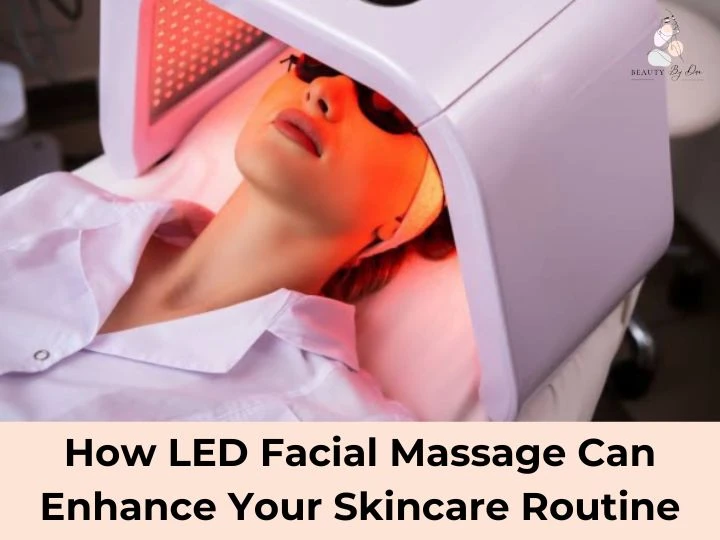
Pain Level and Comfort During Treatment: One of the most appealing aspects of LED light therapy is its comfort level. The treatment is entirely painless and non-invasive. Most people describe the experience as relaxing and even pleasant. You\'ll typically lie down or sit comfortably while the LED device is positioned over your face or the treatment area. Some people use this time to meditate or simply relax.
During the treatment, you might experience a gentle warmth from the lights, but there should be no discomfort. Your eyes will be protected with specially designed goggles to shield them from the bright light.
Immediate and Long-term Effects: Immediately after treatment, many people notice that their skin feels refreshed and has a subtle glow. There\'s typically no redness or irritation, meaning you can return to your normal activities right away – even apply makeup if desired.
The long-term effects of LED light therapy develop gradually over the course of your treatment series. You might start noticing improvements in skin texture and tone after a few sessions. More significant changes, such as reduction in fine lines or acne, typically become apparent after several weeks of consistent treatments.
It\'s important to note that while LED light therapy can provide impressive results, it\'s not a quick fix. The treatment works by stimulating your skin\'s natural processes, which take time. Patience and consistency are key to achieving optimal results.
Comparing LED Light Therapy to Other Treatments
To fully appreciate the benefits of LED light therapy, it\'s helpful to compare it to other popular skincare treatments:
Contrast with Chemical Peels: Chemical peels involve applying a solution to the skin that causes the top layer to peel off, revealing fresher skin underneath. While effective for improving skin texture and tone, chemical peels can cause redness, peeling, and downtime. They\'re also not suitable for all skin types.
LED light therapy, on the other hand, doesn\'t remove any skin layers. It works from within, stimulating the skin\'s natural processes. This means no downtime and suitability for all skin types. However, for more severe skin texture issues, a chemical peel might provide more dramatic immediate results.
Comparison with Microdermabrasion: Microdermabrasion is a physical exfoliation method that removes dead skin cells from the surface. It can improve skin texture and tone but doesn\'t address deeper skin issues like LED therapy does. Microdermabrasion can also be too harsh for sensitive skin types.
LED light therapy is gentler and works at a deeper level, stimulating collagen production and cellular repair. While it might not provide the immediate smoothing effect of microdermabrasion, its benefits are often more long-lasting and comprehensive.
Advantages over Traditional Facials: Traditional facials typically involve cleansing, exfoliation, extractions, and the application of various products. While relaxing and beneficial for overall skin health, they generally don\'t provide the targeted, deep-acting benefits of LED light therapy.
LED therapy can be incorporated into facial treatments for enhanced results. It offers specific benefits like collagen stimulation and acne-fighting properties that go beyond what a traditional facial can provide.
At-Home vs. Professional Treatments
The growing popularity of LED light therapy has led to the development of at-home devices, making this technology more accessible. However, there are important differences between at-home and professional treatments to consider:
Overview of At-Home Devices: At-home LED devices come in various forms, from handheld wands to face masks. They typically use the same types of light as professional devices but at lower intensities. These devices are designed for regular, convenient use in the comfort of your own home.
Pros of At-Home Treatments:
- Convenience: You can use them anytime, fitting treatments into your schedule easily.
- Cost-effective in the long run: After the initial investment, you can use the device as often as you like without additional costs.
- Consistency: Having the device at home makes it easier to maintain a regular treatment schedule.
Cons of At-Home Treatments:
- Lower intensity: Home devices are less powerful than professional equipment, which may mean slower or less dramatic results.
- Smaller treatment area: Many home devices only treat a small area at a time, making full-face treatments time-consuming.
- Lack of professional guidance: Without expert advice, it can be challenging to address specific skin concerns effectively.
Pros of Professional Treatments:
- Higher intensity: Professional-grade devices deliver more powerful treatments, potentially leading to faster and more noticeable results.
- Comprehensive treatment: In-office devices can often treat the entire face (or body area) at once.
- Expert care: Skincare professionals can customise treatments to your specific needs and combine LED therapy with other treatments for optimal results.
- Advanced technology: Professional settings often have access to the latest LED technology and treatment protocols.
Cons of Professional Treatments:
- Cost: In-office treatments are generally more expensive, especially when multiple sessions are needed.
- Time commitment: Regular visits to a skincare clinic can be time-consuming.
- Less frequent treatments: Most people can\'t visit a clinic as often as they might use an at-home device.
Recommendations for Best Results: For optimal results, a combination of professional and at-home treatments often works best. You might start with a series of professional treatments to kick-start your results, then maintain them with an at-home device. Alternatively, you could use an at-home device regularly and supplement with occasional professional treatments for a boost.
Regardless of which option you choose, consistency is key. Regular treatments, whether at home or in a professional setting, will yield the best long-term results.
In Conclusion, In the quest for luminous, youthful skin, LED light therapy emerges as an invaluable ally. Utilising light to address diverse skin concerns, this non-invasive treatment offers a gentle yet effective solution for enhancing complexion. From stimulating collagen production to diminishing fine lines and combating acne, LED therapy embodies versatility and gentleness unmatched by traditional skin care methods. Whether experienced at Lilium Skin Clinic or through convenient at-home devices, its transformative benefits are clear. Embrace LED light therapy to illuminate your path to glowing, rejuvenated skin.
If you\'re ready to experience the transformative effects of LED light therapy for yourself, we encourage you to take the next step. Schedule a consultation or trial session at Lilium Skin Clinic today and discover how LED therapy can enhance your complexion and confidence. Illuminate your path to radiant, revitalised skin—because you deserve to shine.
FAQs (Frequently Asked Questions):
Is LED light therapy safe for all skin types?
Absolutely. LED light therapy is gentle and non-invasive, suitable for all skin types and tones. It does not involve heat or chemicals, minimising the risk of adverse reactions.
How many LED light therapy sessions are typically needed to see results?
While some improvements may be noticed after a single session, a series of treatments is usually recommended for optimal results. This typically involves 2-3 sessions per week for 4-6 weeks, followed by maintenance treatments every 4-6 weeks.
What should I expect during an LED light therapy session?
During a session, you\'ll typically lie down or sit comfortably while the LED device is placed over your face or the treatment area. The treatment itself is painless and relaxing, with some users experiencing a gentle warmth from the lights.
How long do the effects of LED light therapy last?
The effects of LED light therapy are cumulative and long-lasting with regular maintenance treatments. Many users report continued improvements in skin texture and tone even weeks after completing a series of treatments.
Can LED light therapy replace other skincare treatments like chemical peels or microdermabrasion?
LED light therapy offers unique benefits that complement other skincare treatments. While it excels in stimulating collagen production and promoting cellular repair, treatments like chemical peels or microdermabrasion may be more suitable for immediate smoothing or deep exfoliation needs.








Sign in to leave a comment.