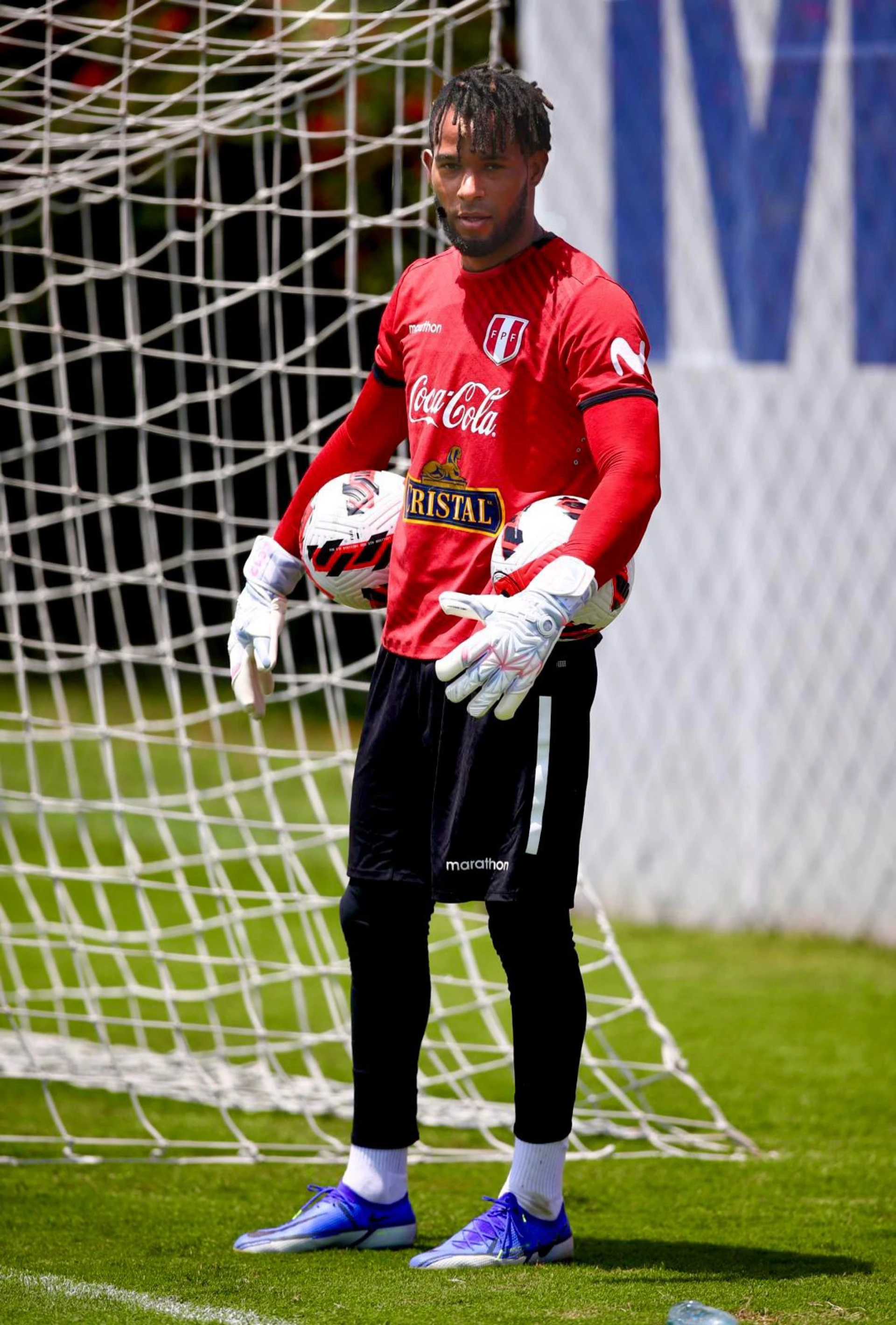

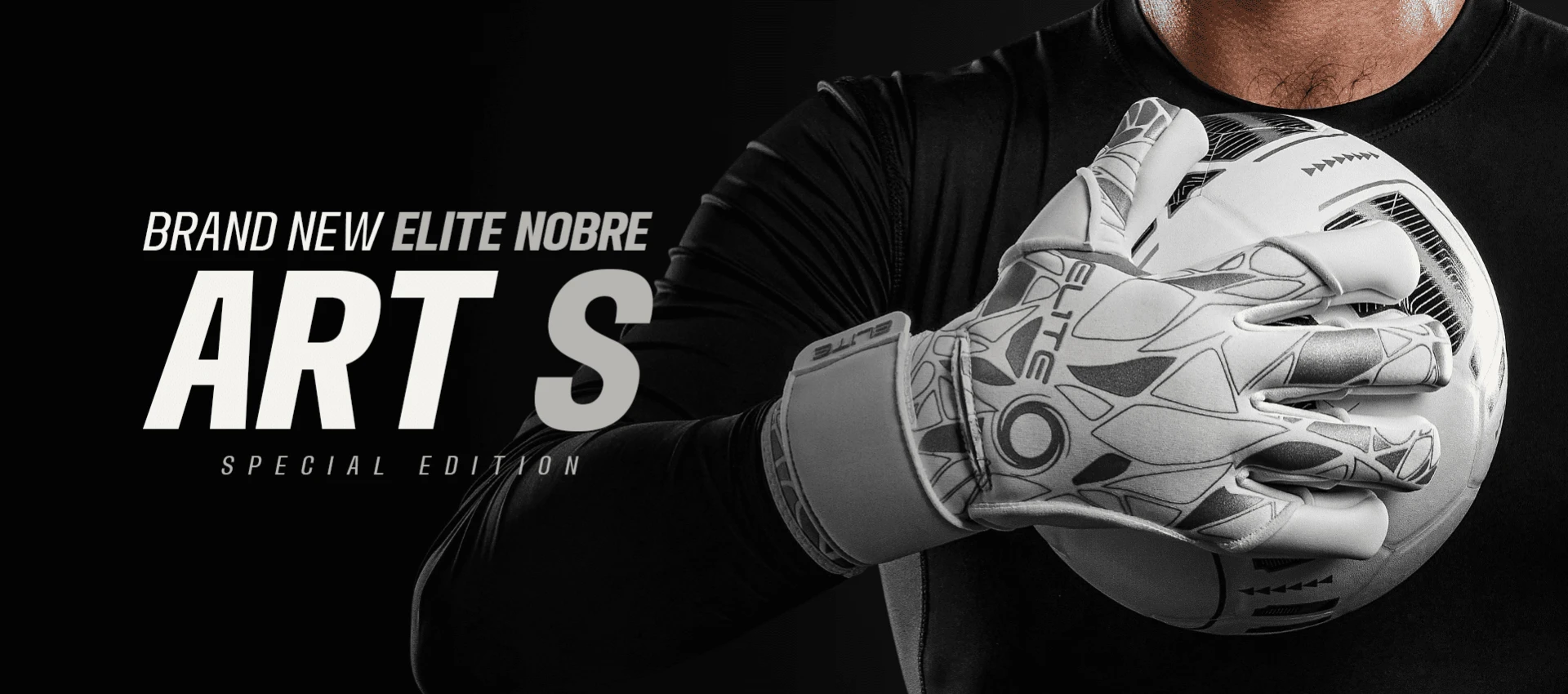
A goalkeeper’s role is one of the most demanding on the pitch. Tasked with protecting the goal, reading the game, and often being the last line of defense, keepers must stay sharp at all times. But even the most talented goalkeeper isn’t complete without the right gear—especially a trusted pair of goalkeeper gloves.
While the casual observer might overlook them, gloves are one of the most critical tools in a keeper’s arsenal. They provide the grip, protection, and confidence needed to catch crosses, parry shots, and command the penalty area. Choosing the right pair isn’t just about style—it’s about performance, comfort, and control.
Whether you're a seasoned pro or a weekend warrior, understanding the importance of goalkeeper gloves and what makes a good pair can elevate your game and protect your hands over the long haul.
Why Goalkeeper Gloves Matter More Than You Think
Ask any goalkeeper who’s spent 90 minutes diving across a muddy pitch or blocking a stinging shot on a cold morning—goalkeeper gloves aren’t just optional gear. They're essential.
Good gloves serve two main purposes: grip and protection. First, the grip. Modern footballs are designed to move unpredictably, often with spin, dip, or knuckle. Gloves with quality latex palms help you grab, catch, and control the ball, even in wet or sweaty conditions.
Second, protection. Goalkeepers often put their bodies on the line, and fingers are especially vulnerable. A solid pair of goalkeeper gloves cushions the impact when catching high-speed shots or punching away crosses. Many also come with built-in finger spines to reduce the risk of hyperextension, especially during those awkward, reflexive saves.
Ultimately, gloves give goalkeepers the confidence to go all-in—because when your hands feel secure, your focus stays on the game.
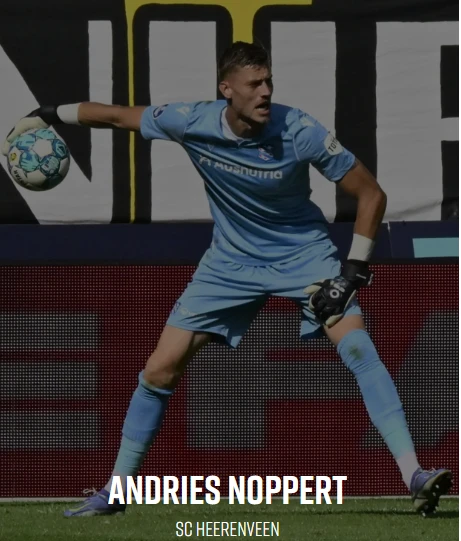
What to Look for in Quality Goalkeeper Gloves
Finding the right goalkeeper gloves means understanding how different materials, cuts, and features impact performance. While flashy designs might catch the eye, it’s what’s under the surface that counts.
First up is the palm material. Most professional gloves use high-grade latex, which offers superb grip but may wear down faster. Some models offer more durable latex options for training or all-weather use. Keepers often carry separate pairs—one for matches and one for training—to balance performance and longevity.
Then there’s the glove cut. This refers to how the material wraps around the fingers and affects both fit and ball contact. Popular types include:
- Flat cut: Traditional, with a looser fit—great for beginners.
- Negative cut: Snug and form-fitting, offering closer ball feel.
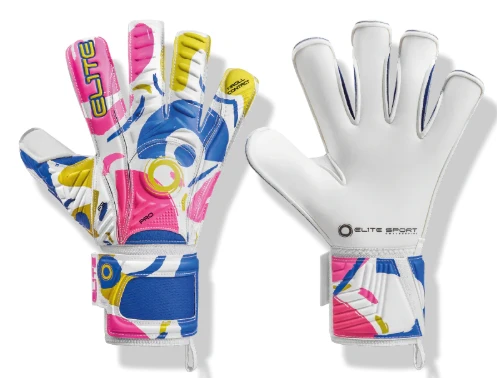
- Roll finger: Latex wraps around the fingers for added grip and cushion.
Each cut offers a different feel. The best way to know what works is to try a few and see what matches your hand shape and style of play. Well-fitted goalkeeper gloves should feel like an extension of your hand—not something bulky or restrictive.
Comfort and Support: It’s All in the Fit
Comfort can make or break a goalkeeper’s confidence. If your gloves are slipping, squeezing, or causing discomfort mid-match, they become a distraction rather than a support.
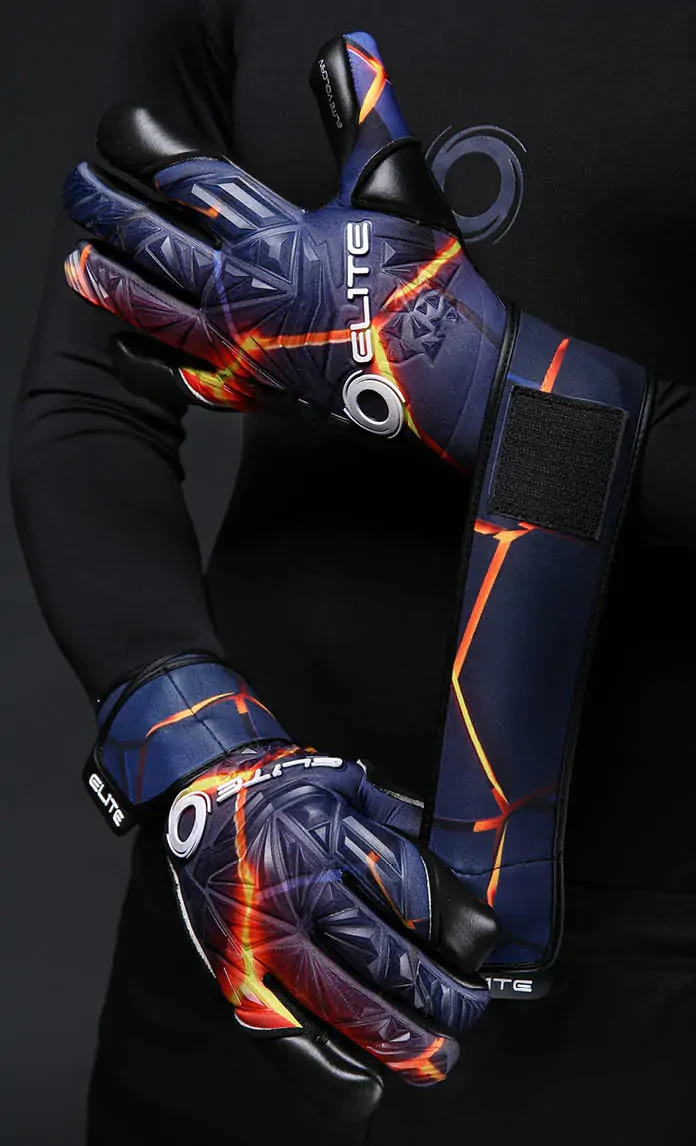
That’s why modern goalkeeper gloves now feature improved closures and breathable materials. Look for options with adjustable wrist straps that allow you to customize the fit for both flexibility and support. A secure wrist wrap gives your hands added stability when pushing off for diving saves or punching balls clear under pressure.
Many gloves also include mesh ventilation zones to help reduce sweat and overheating—especially in warmer conditions or during intense matches. Even finger protection systems, while great for injury prevention, should still allow natural movement and quick response.
In the end, the best goalkeeper gloves feel snug without being tight, supportive without being stiff, and flexible enough to keep up with every fingertip save.
Match Gloves vs. Training Gloves: Know the Difference
One of the smartest moves a keeper can make is using different gloves for different settings. Match gloves are built for grip and performance. They’re often softer and more responsive but also wear down faster due to the high-friction latex palms.
On the other hand, training gloves prioritize durability. They may use tougher latex or reinforced palms to withstand repetitive drills, dives, and handling exercises. While they might not have the same elite-level grip, they’re perfect for everyday sessions.
Having at least two pairs of goalkeeper gloves—one for matchday, one for training—helps you get more life out of both. This approach ensures you’re always game-ready while preserving your top-tier gloves for the moments that matter most.
Caring for Your Goalkeeper Gloves the Right Way
Even the best gloves won't last if you don’t take care of them. Proper maintenance extends their life and ensures you get consistent grip over time.
Here are a few simple steps:
- Rinse after use: After each session, rinse gloves in cool water to remove dirt, sweat, and pitch residue.
- Air dry naturally: Never use heat to dry gloves. Let them dry slowly at room temperature to preserve the latex.
- Store them flat: Avoid folding or compressing gloves for long periods. Use a glove bag or keep them in a cool, dry place.
Routine care not only keeps your goalkeeper gloves performing at their best, but it also protects your hands by maintaining consistent padding and support.
The Mental Edge: Gloves That Boost Confidence
There’s a psychological component to playing between the sticks. When you know your gear is working for you—not against you—you play with a stronger mindset. That’s why trusted, well-fitted goalkeeper gloves are so crucial. They provide the assurance you need to take command of your box, rush out for a challenge, or launch a long throw to start a counterattack.
Think of them as more than just equipment. They’re a part of your game identity—your armor, your toolkit, your confidence booster.
Final Thoughts: Make Every Save Count
Being a goalkeeper is about more than just making saves—it’s about leadership, composure, and trust. And that trust starts with the gear on your hands. Whether you're diving at full stretch or rising to catch a corner, the right goalkeeper gloves empower you to play at your peak.
They’re the difference between parrying a ball away and watching it slip through your fingers. Between a clean sheet and a costly mistake. Between doubt and dominance.
So take the time to find gloves that fit your hands, your style, and your game. Because when everything else is on the line, your gloves shouldn’t be.

























Sign in to leave a comment.