
Gokyo Lake Trekking: 14 Days
If you're seeking an unforgettable adventure in the heart of the Himalayas, the Gokyo Lake Trek is a must-do experience. Over the course of 14 days, you'll have the opportunity to immerse yourself in the breathtaking beauty of the Himalayas and witness the captivating charm of Gokyo Lakes. Nestled amidst towering peaks and surrounded by pristine glaciers, these turquoise lakes offer a stunning spectacle that will leave you in awe.
The Gokyo Lake Trek takes you through picturesque mountain trails, charming Sherpa villages, and serene valleys, revealing the unrivaled grandeur of the Everest region. Along the way, you'll encounter panoramic views of iconic peaks like Cho Oyu, Lhotse, and Makalu, truly making it a dream journey for any adventure enthusiast.
With its diverse and awe-inspiring landscapes, the Gokyo Lake Trek offers a unique experience that sets it apart from other treks in the region. As you ascend to higher altitudes, you'll not only acclimatize but also bask in the tranquility of nature. So, lace up your boots, prepare your camera, and get ready to embark on a journey that will forever remain etched in your memory.
Overview of the Gokyo region and its natural beauty
The Gokyo region, nestled in the heart of the Himalayas, is a breathtaking destination that captivates the senses of every traveler who ventures into its enchanting landscapes. This remote and pristine area is renowned for its serene glacial lakes, towering snow-capped peaks, and the rich cultural heritage of the Sherpa people.
Gokyo Lakes, a stunning series of turquoise-hued bodies of water, are the centerpiece of this remarkable region. Situated at an average elevation of 4,700 meters (15,400 feet), these lakes are fed by the surrounding glaciers, creating a mesmerizing display of nature's artistry. The largest of the lakes, Gokyo Ri, is a popular vantage point that offers panoramic views of the Himalayan giants, including the mighty Everest, Lhotse, and Cho Oyu.
Surrounding the Gokyo Lakes are the majestic peaks of the Khumbu region, creating a dramatic and awe-inspiring backdrop. The region is dotted with quaint Sherpa villages, where traditional ways of life have been preserved for generations. Trekkers can immerse themselves in the local culture, observing the daily routines of the Sherpas, visiting ancient Buddhist monasteries, and savoring the delectable Nepali cuisine.
Preparation and planning for the Gokyo Lake Trek
Planning for the Gokyo Lake Trek requires careful consideration to ensure a successful and memorable journey. The first step is to determine the appropriate time of year to undertake the trek. The best seasons are typically spring (March to May) and autumn (September to November), when the weather is mild, and the skies are clear, offering the best views of the Himalayas.
Proper physical preparation is crucial for the Gokyo Lake Trek, as the high-altitude environment and challenging terrain can be demanding. It is recommended to engage in regular cardiovascular exercises, such as hiking, running, or cycling, to build endurance and strengthen your leg muscles. Additionally, incorporating strength training exercises can help you better manage the steep ascents and descents along the trail.
Obtaining the necessary permits and documentation is another essential aspect of planning the Gokyo Lake Trek. Trekkers will need to acquire a Trekking Permit, which can be obtained through a licensed trekking agency or the Nepal Tourism Board. Additionally, a Sagarmatha National Park Permit is required to enter the protected area. It is advisable to research and secure these permits well in advance to avoid any delays or complications during the trek.
Best time to visit Gokyo Lake and weather conditions
The Gokyo Lake Trek can be undertaken throughout the year, but the best time to visit is typically during the spring and autumn seasons. These periods offer the most favorable weather conditions and the clearest views of the Himalayas.
Spring (March to May) is a popular time for the Gokyo Lake Trek, as the temperatures are mild, and the skies are generally clear. The snow-capped peaks are in their full glory, and the trekking trails are free from heavy snow. Trekkers can expect daytime temperatures ranging from 10°C (50°F) to 20°C (68°F) in the lower elevations, with cooler temperatures as they ascend to higher altitudes.
Autumn (September to November) is another excellent time to undertake the Gokyo Lake Trek. The weather is typically stable, with clear skies and moderate temperatures. The autumn season also offers the added benefit of fewer crowds, as it is considered the shoulder season for trekking in the Everest region. Daytime temperatures during this time of year can range from 15°C (59°F) to 25°C (77°F) in the lower elevations, with cooler conditions at higher altitudes.
The winter months (December to February) can be challenging for the Gokyo Lake Trek, as the temperatures drop significantly, and the trails may be covered in thick snow. Trekkers should be prepared for harsh weather conditions, including heavy snowfall and freezing temperatures, during this time of year.
Gokyo Lake Trek itinerary and highlights
The Gokyo Lake Trek is a captivating 14-day journey that takes trekkers through the heart of the Khumbu region, showcasing the breathtaking natural beauty and rich cultural heritage of the Himalayas.
The trek typically begins in the bustling town of Lukla, where trekkers will take a short flight from Kathmandu. From Lukla, the journey winds its way through the Dudh Koshi valley, passing through charming Sherpa villages and lush forests. Along the way, trekkers will encounter the iconic Namche Bazaar, a vibrant hub for mountaineering expeditions and a hub for Sherpa culture.
As the trek progresses, the landscapes become increasingly dramatic, with the towering peaks of the Himalayas coming into view. Trekkers will reach the first of the Gokyo Lakes, Dole, and then continue their ascent to the stunning Gokyo Ri, which offers unparalleled panoramic views of the surrounding peaks, including the mighty Everest.
The trek then leads trekkers to the serene Gokyo Lakes, where they can marvel at the captivating turquoise hues and the reflections of the snow-capped peaks on the still waters. Trekkers will have the opportunity to explore the Gokyo Valley, hike to the Gokyo Glacier, and witness the awe-inspiring Ngozumpa Glacier, the largest glacier in the Himalayas.
The return journey takes trekkers through the Everest Base Camp trail, offering breathtaking views of the Khumbu Icefall and the iconic Kala Patthar viewpoint. Along the way, trekkers will have the chance to visit the Tengboche Monastery, a significant Buddhist site in the region, and immerse themselves in the rich cultural heritage of the Sherpas.
Accommodation and facilities along the trek
The Gokyo Lake Trek takes trekkers through a range of accommodation options, from basic teahouses to more comfortable lodges, catering to the diverse needs of travelers.
In the lower elevations, trekkers will find well-established teahouses, which are traditional Nepali inns that provide basic amenities. These teahouses typically offer dormitory-style sleeping arrangements, shared bathroom facilities, and simple but hearty meals. The teahouses are run by local Sherpa families, offering trekkers a glimpse into the daily lives and culture of the region.
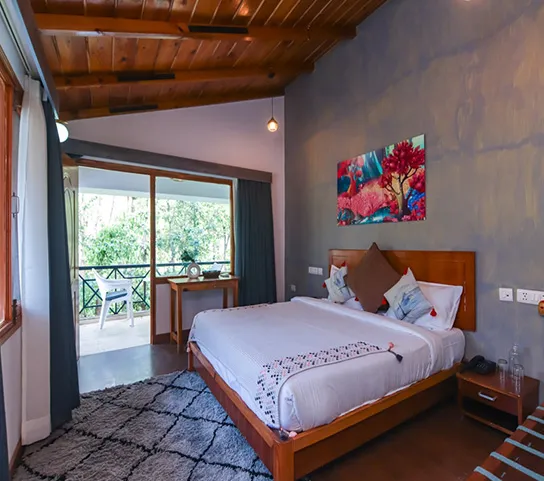
As the trek progresses to higher altitudes, the accommodation options become more limited, but the lodges provide a more comfortable experience. These lodges often have private rooms, with en-suite bathrooms, and serve a wider range of local and international cuisine. The lodges are strategically located along the trekking routes, providing trekkers with a place to rest and recharge before continuing their journey.
It's important to note that the quality and availability of facilities may vary depending on the specific location and time of year. Trekkers should be prepared for basic amenities and be flexible in their expectations, as the remote nature of the Gokyo region can sometimes limit the availability of certain services.
Permits and fees required for the Gokyo Lake Trek
Trekking in the Gokyo region requires obtaining the necessary permits and paying the required fees to ensure a seamless and legal journey.
The first permit required is the Trekking Permit, which can be obtained through a licensed trekking agency or the Nepal Tourism Board. This permit grants trekkers the right to access and traverse the designated trekking routes in the Everest region.
Additionally, trekkers will need to obtain a Sagarmatha National Park Permit to enter the protected area. This permit is required to ensure the preservation and conservation of the natural resources within the national park.
The fees for these permits vary depending on the season and the number of days the trek will take. During the peak seasons (spring and autumn), the Trekking Permit can cost around $20-$30 per person, while the Sagarmatha National Park Permit can range from $30-$50 per person.
It is important to note that the permits and fees are subject to change, and trekkers should verify the latest information with their trekking agency or the Nepal Tourism Board before embarking on their journey. Ensuring that all the necessary paperwork is in order will not only facilitate a smooth trek but also contribute to the sustainable management of the Gokyo region.
Physical fitness and training for the trek
The Gokyo Lake Trek is a physically demanding journey that requires a good level of fitness and preparation. Trekkers should engage in a comprehensive training regimen to ensure they are ready to tackle the high-altitude terrain and challenging trails.
Cardiovascular exercises, such as jogging, cycling, or swimming, should be the foundation of the training program. These activities will help build endurance and improve the body's ability to adapt to the high-altitude environment. Gradually increasing the duration and intensity of these exercises over several months will prepare the body for the rigors of the trek.
Strength training is also essential, as trekkers will need to navigate steep ascents and descents while carrying their backpacks. Exercises that target the leg muscles, such as squats, lunges, and calf raises, will help build the necessary strength and stability for the trek. Core exercises, like planks and abdominal workouts, can also improve overall balance and stability, which is crucial for maintaining proper form and reducing the risk of injury.
In addition to physical training, it is essential to prepare for the high-altitude environment. Engaging in activities that simulate high-altitude conditions, such as hiking in hilly or mountainous areas, can help the body acclimate and adapt to the reduced oxygen levels. This preparation will not only enhance your performance but also minimize the risk of altitude-related illnesses, such as acute mountain sickness (AMS).
Safety measures and precautions during the Gokyo Lake Trek
Trekking in the Gokyo region, like any high-altitude adventure, requires a keen awareness of safety measures and precautions to ensure a successful and enjoyable journey.
Proper acclimatization is crucial, as the rapid ascent to high altitudes can lead to altitude-related illnesses, such as acute mountain sickness (AMS), high-altitude pulmonary edema (HAPE), and high-altitude cerebral edema (HACE). Trekkers should follow the recommended ascent rates, take rest days, and be vigilant for any signs of altitude sickness.
Adequate hydration and proper nutrition are also essential for maintaining health and energy levels during the trek. Trekkers should drink plenty of water, consume a balanced diet rich in carbohydrates and proteins, and avoid excessive alcohol consumption, which can exacerbate altitude-related issues.
Proper gear and equipment are crucial for the Gokyo Lake Trek. Trekkers should invest in high-quality, well-fitting hiking boots, warm and breathable clothing, and reliable trekking poles to navigate the challenging terrain. It is also essential to have access to emergency equipment, such as first-aid kits, oxygen canisters, and satellite communication devices, in case of unexpected situations.
Finally, it is recommended to trek with a reputable and experienced guide or porter, who can provide valuable local knowledge, navigate the trails, and ensure the safety of the group. Trekkers should also familiarize themselves with the emergency protocols and evacuation procedures in the event of a medical emergency or natural disaster.
Conclusion: A life-changing experience in the Himalayas
The Gokyo Lake Trek is a truly remarkable journey that offers a unique and unforgettable experience in the heart of the Himalayas. From the captivating turquoise lakes to the towering snow-capped peaks, this trek is a feast for the senses, challenging both the body and the mind.
There are many trekking itineraries in the Everest region and some of them are the Everest Base Camp Trek, Everest Chola Pass Trek, Gokyo Lake Trek, Renjo La pass trek, Everest High pass Trek, Everest panorama Trek, Everest base Camp Helicopter Trek and Everest Base Camp Trek from Jiri.


















Sign in to leave a comment.