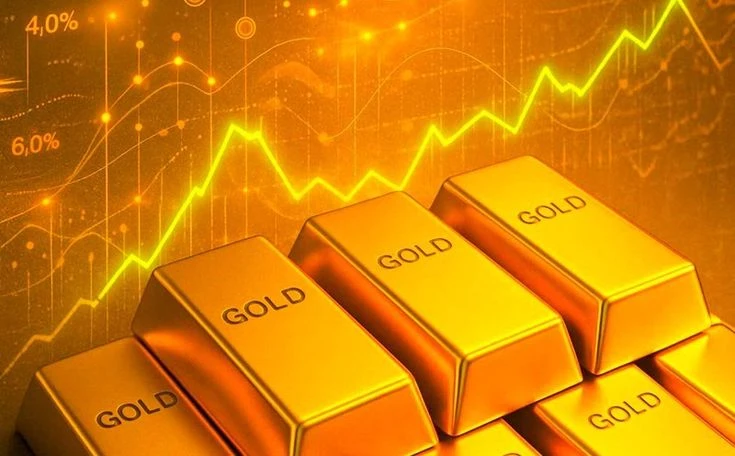

Gold has always held a special place in India’s financial and cultural landscape. Beyond its traditional value, the yellow metal is a crucial investment asset and a global safe-haven instrument. Understanding gold rate prediction tomorrow helps traders, investors, and buyers make informed decisions about buying, selling, or holding gold in a rapidly changing economic environment.
Gold prices fluctuate daily due to global economic signals, currency movement, inflation expectations, and investor sentiment. By analyzing current trends, technical indicators, and macroeconomic triggers, it becomes easier to anticipate short-term price direction and prepare for market volatility.
This comprehensive guide explains the key factors affecting gold prices, expected price range, technical outlook, and how investors can respond to market movements.
Gold Price Trend Today
Gold prices in India continue to reflect global market dynamics combined with domestic demand patterns. In recent sessions, gold has traded in a narrow range following profit booking at higher levels and renewed safe-haven buying during dips.
Current market observations:
- Prices are consolidating after recent volatility
- Bargain buying emerges near support levels
- Global uncertainty supports safe-haven demand
- Rupee fluctuations influence domestic pricing
This consolidation phase suggests the market is waiting for fresh economic triggers.
Gold Rate Prediction Tomorrow (Short-Term Outlook)
Based on current price behavior, technical structure, and global cues, gold rate prediction tomorrow suggests prices are expected to remain range-bound with a mild bullish bias.
Expected gold price range in India:
- Support level: ₹71,500 per 10 grams
- Resistance level: ₹73,500 per 10 grams
- Likely trading range: ₹72,000 – ₹73,200
If global uncertainty increases overnight, prices may test upper resistance levels. Conversely, strong dollar movement could limit upside momentum.
Key Factors Influencing Gold Prices Tomorrow
1. US Dollar Movement
Gold shares an inverse relationship with the US dollar. When the dollar strengthens, gold becomes expensive for foreign buyers, often causing price dips.
A weakening dollar typically supports gold prices.
2. Interest Rate Expectations
Central bank policies, especially from the US Federal Reserve, significantly impact gold prices.
- Rising interest rates reduce gold demand
- Rate cuts increase gold’s appeal as a safe-haven asset
Market expectations around future rate decisions can trigger short-term price swings.
3. Inflation Trends
Gold is widely viewed as a hedge against inflation. Higher inflation often boosts demand for gold, while falling inflation can reduce buying interest.
Upcoming inflation data can therefore influence tomorrow’s price movement.
4. Global Economic Uncertainty
Geopolitical tensions, recession fears, and financial instability often drive investors toward gold.
Periods of uncertainty increase safe-haven demand and support prices.
5. Indian Rupee vs US Dollar
Since India imports most of its gold, rupee depreciation raises domestic prices, while rupee strengthening may ease rates.
Currency movement remains a key domestic price driver.
6. Physical Demand in India
Jewellery demand, wedding season buying, and festive purchases influence local price trends. When prices rise sharply, demand may slow, leading to temporary corrections.
Technical Analysis: Signals to Watch
Technical indicators suggest consolidation rather than a strong breakout trend.
Bullish Indicators
- Prices holding above key support zones
- Recovery buying near lower levels
- Continued safe-haven demand
Bearish Indicators
- Strong dollar pressure
- Profit booking at higher levels
- Weak physical demand
A breakout above resistance could trigger fresh buying momentum.
Investor Psychology and Market Sentiment
Investor psychology plays a critical role in short-term gold price movement.
Fear-driven buying during economic uncertainty can push prices higher, while confidence in equities and economic stability may trigger selling pressure. Market reactions to global news, inflation expectations, and currency shifts often create emotional buying or profit booking, leading to rapid price fluctuations.
Monitoring sentiment indicators and trading behavior helps anticipate next-day price direction.
MCX Gold Trading Outlook
Commodity traders actively monitor MCX gold for short-term opportunities.
Intraday trading approach:
- Buy near support levels
- Sell near resistance levels
- Use stop-loss to manage risk
- Avoid over-leveraging during volatile sessions
Short-term traders should remain cautious during global data releases.
Should You Buy Gold Now or Wait?
Consider Buying If:
- Prices dip near support levels
- You are investing for long-term wealth preservation
- Portfolio diversification is a priority
Consider Waiting If:
- Prices spike sharply in a single session
- Dollar strength continues
- Major economic data releases are pending
Timing purchases strategically can improve long-term returns.
Gold vs Other Investment Options
Gold plays a unique role in a diversified portfolio.
Gold vs Equities
- Gold provides stability during market downturns
- Stocks offer long-term growth potential
Gold vs Fixed Deposits
- Gold hedges against inflation
- Fixed deposits provide stable but limited returns
Gold vs Real Estate
- Gold offers liquidity and easy trading
- Real estate requires larger capital investment
A balanced allocation improves overall portfolio resilience.
Gold ETFs and Digital Gold: Modern Investment Options
Investors today have multiple ways to invest in gold beyond physical purchases.
Popular options:
Gold ETFs
- Traded on stock exchanges
- Transparent pricing
- No storage concerns
Sovereign Gold Bonds
- Government-backed security
- Interest earnings plus price appreciation
Digital Gold
- Buy small quantities online
- Secure storage options
- Ideal for small investors
These options provide convenience and efficiency.
Long-Term Gold Outlook
Despite short-term fluctuations, gold maintains a positive long-term outlook due to:
- Persistent inflation risks
- Central bank gold accumulation
- Global economic uncertainty
- Currency volatility
Gold remains a strategic asset for wealth preservation.
Gold Demand Trends in India
India remains one of the world’s largest gold consumers. Cultural traditions, weddings, and religious festivals sustain demand throughout the year.
Even during price surges, long-term demand remains strong, supporting market stability.
Expert Tips for Gold Investors
For Short-Term Traders
- Monitor global cues overnight
- Watch dollar index movement
- Follow technical support and resistance levels
For Long-Term Investors
- Accumulate during corrections
- Avoid panic buying during price spikes
- Maintain disciplined allocation
Consistency and patience are key to successful gold investing.
Final Outlook: What to Expect Tomorrow
Gold prices tomorrow are expected to remain stable with a mild upward bias. Strong support levels and safe-haven demand may prevent sharp declines, while global cues will determine the next directional move.
Short-term trend: Range-bound with slight bullish momentum
Long-term outlook: Positive due to inflation hedging and global uncertainty
Investors should monitor global economic indicators, currency movements, and market sentiment before making trading decisions.
While gold remains a preferred safe-haven asset, many investors also diversify into equities for long-term wealth creation. Choosing the best stock broker in India ensures seamless access to stock markets, advanced trading tools, and efficient portfolio management.
Combining equity investing with commodity tracking, including gold rate prediction tomorrow, allows investors to build a balanced strategy aligned with changing market conditions.





























Sign in to leave a comment.