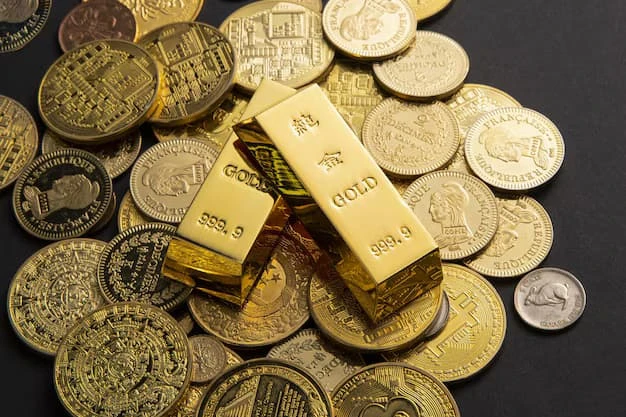

Selling gold for quick access to cash has become a common practice among individuals seeking liquidity or capitalizing on favorable market rates. The term gold to cash represents the process of converting gold items such as jewelry, coins, bars, or bullion into immediate funds. While selling gold can be straightforward, many sellers risk being shortchanged if they lack market knowledge or preparation. This article explores best practices, tips, and strategies to ensure sellers receive fair value when converting gold to cash.
1. Understanding the Gold to Cash Process
Evaluating Gold Value
The value of gold is determined by several factors, including purity, weight, and market price. Gold purity is measured in carats, with 24ct being pure gold. Weight is typically calculated in grams or ounces. Knowing these details helps sellers anticipate accurate cash offers.
Market Rates and Spot Price
The global gold market sets the spot price, reflecting the current value of gold per ounce. Local buyers often adjust this price based on fees, processing, and local demand. Understanding both spot and local prices is essential to avoid being shortchanged.
Types of Gold Transactions
Gold can be sold in various forms, including in-person transactions, online sales, and mail-in programs. Each method has unique advantages and considerations related to convenience, security, and payout timing.
2. Preparing Gold for Sale
Sorting and Organizing
Separate gold by type and purity, such as coins, jewelry, or bars. Organized gold facilitates accurate valuation and prevents miscommunication during the sale process.
Cleaning Gold Carefully
Cleaning gold enhances its appearance and may improve offers. Mild soap, warm water, and soft cloths are recommended. Avoid abrasive materials or chemicals that could damage the gold.
Documentation and Proof of Authenticity
Provide purchase receipts, certifications, or appraisal documents whenever possible. Verified gold is more likely to receive competitive cash offers and builds trust with buyers.
3. Choosing a Reliable Buyer
Reputation and Reviews
Selecting a reputable buyer is critical to avoid being shortchanged. Research reviews, ratings, and testimonials to ensure transparency, ethical practices, and fair valuations.
Licensing and Accreditation
Legitimate gold buyers often hold licenses or belong to trade associations. Accreditation ensures compliance with industry standards, reduces risk, and signals professionalism.
Local vs Online Buyers
Local buyers provide immediate cash and in-person inspection, while online buyers offer convenience and competitive rates. Sellers should compare both to determine the best approach for their situation.
4. Avoiding Common Pitfalls
Not Researching Market Prices
Many sellers accept the first offer without checking current gold rates. Not knowing market trends can result in undervaluation. Monitoring gold prices ensures sellers receive fair cash compensation.
Overlooking Purity Verification
Without confirming the gold’s purity, sellers risk receiving lower rates. Professional testing and hallmarks help establish accurate carat values.
Ignoring Fees and Deductions
Buyers may include handling, processing, or shipping fees. Sellers who fail to account for these deductions may be surprised by lower payouts. Clear understanding of fees prevents being shortchanged.
Falling for Pressure Tactics
Some buyers use high-pressure techniques to force quick sales. Sellers should remain patient, evaluate offers carefully, and avoid impulsive decisions.
5. Negotiation Strategies
Compare Multiple Quotes
Obtaining several quotes increases the likelihood of receiving competitive rates. Comparing offers empowers sellers to negotiate effectively.
Highlight Documentation and Certification
Presenting verified proof of gold’s authenticity and purity can justify higher offers. Buyers are more likely to pay competitive cash for documented items.
Negotiate with Confidence
Understanding market trends, gold purity, and weight provides leverage during negotiation. Confident sellers are less likely to accept undervalued offers.
6. Timing Your Sale
Monitor Market Trends
Gold prices fluctuate based on economic conditions, currency value, and global demand. Selling when prices are high maximizes cash returns.
Avoid Rushing Transactions
Selling out of urgency can lead to suboptimal offers. Planning the sale during favorable market conditions ensures better returns.
7. Ensuring Safety and Security
Secure Transportation
When selling gold, transport items safely using lockable containers or insured shipping methods. Proper handling reduces risk of theft or loss.
Verify Buyer Location
Meeting buyers at reputable and secure locations protects both sellers and gold. Avoid unfamiliar or unsafe areas for transactions.
Document the Transaction
Keep records of the sale, including receipts, weight, and cash received. Proper documentation protects both parties and ensures transparency.
8. Maximizing Cash Value
Sell in Bulk or Strategically
Depending on the gold items, selling in bulk or individually may yield better returns. Rare or high-purity items may achieve higher rates when sold separately.
Professional Appraisals
Investing in expert appraisals provides accurate assessments, which can improve cash offers. Buyers are more likely to pay fair rates for professionally evaluated gold.
Stay Informed
Knowledge of market trends, buyer practices, and local rates equips sellers to make informed decisions and avoid being shortchanged.
Conclusion
Converting gold to cash can be a straightforward and profitable process if approached carefully. Avoiding common mistakes such as accepting the first offer, neglecting market research, and failing to verify gold purity is crucial to ensure fair payouts. Proper preparation, reliable buyers, careful negotiation, and awareness of fees all contribute to maximizing returns. By taking these steps, sellers can confidently convert gold into cash without risk of being undervalued. For trusted guidance and optimal results in selling gold, Sell Gold provides expert support and solutions to secure the best possible cash value for your gold.

























Sign in to leave a comment.