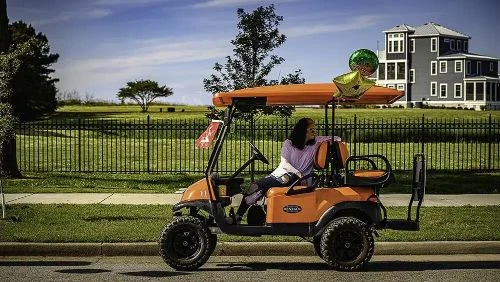

Golf carts have become much more than just a means of transportation on the golf course. They are now a common sight in various settings, from retirement communities and campgrounds to industrial facilities and gated neighborhoods. While golf carts provide convenient and eco-friendly transportation, it's essential to prioritize safety when operating them on roads and trails beyond the golf course. In this comprehensive guide, we will explore essential safety tips and provide real-world examples to help you navigate roads and trails safely with your golf cart.
The Expanding Role of Golf Carts
Golf carts have evolved into versatile vehicles that serve various purposes. They are no longer limited to carrying golfers across fairways. Here are some common scenarios where golf carts are frequently used:
Retirement Communities: Many retirees use golf carts as their primary mode of transportation within gated communities.
Campgrounds: Golf carts are a convenient way to explore campgrounds and transport camping gear.
Industrial Settings: In industrial facilities, utility carts and maintenance vehicles are often electric-powered golf carts.
Resorts and Theme Parks: Golf carts shuttle guests around resorts and theme parks, providing a comfortable and eco-friendly transportation option.
With this expanded usage, it's crucial to understand and adhere to safety guidelines to prevent accidents and ensure a safe experience for everyone.
Golf Cart Safety Tips
Top Golf Cart Safety Tips: Stay aware, follow rules!
1. Follow Local Laws and Regulations:
Before taking your golf cart on public roads or trails, familiarize yourself with local laws and regulations governing their use.Example: In many states, golf carts must have proper lighting, seat belts, and mirrors to be used on public roads.2. Wear Seat Belts:
Ensure that all passengers in the golf cart wear seat belts if they are available.Example: A family of four takes their golf cart to explore a campground. They all wear seat belts to reduce the risk of injury in case of an accident.3. Observe Speed Limits:
Adhere to posted speed limits and adjust your speed based on road or trail conditions.Example: A golf cart operator slows down when transitioning from a smooth road to a bumpy trail to maintain control.4. Stay on Designated Paths:
Stick to designated roads and trails meant for golf cart use and avoid venturing onto areas not designed for such vehicles.Example: A retiree uses a golf cart to get around their retirement community and stays on the designated golf cart paths.5. Yield to Pedestrians and Cyclists:
Be courteous to pedestrians and cyclists and yield the right-of-way when necessary.Example: A golf cart driver stops to let a group of cyclists pass on a shared trail.6. Avoid Overloading:
Do not exceed the golf cart's weight capacity, as overloading can affect stability and handling.Example: A group of friends loads their golf cart with camping gear, making sure not to exceed the manufacturer's weight limit.7. Use Signals and Lights:
Signal your turns and use headlights and taillights when driving at night or in low-visibility conditions.Example: A golf cart operator activates turn signals and headlights when driving at dusk in a campground.8. Stay Sober:
Just like operating a regular vehicle, never drive a golf cart under the influence of alcohol or drugs.Example: A group of vacationers refrains from using their golf cart after consuming alcohol at a resort.9. Maintain Your Golf Cart:
Regularly inspect and maintain your golf cart to ensure it is in good working condition.Example: An industrial facility schedules routine maintenance for its fleet of electric golf carts to prevent breakdowns and accidents.10. Be Aware of Surroundings:
diffCopy code- Stay vigilant and aware of your surroundings, watching out for potential hazards.- Example: A golf cart driver in a retirement community pays attention to children playing near the path and slows down accordingly.Real-World Examples
To emphasize the importance of these safety tips, let's explore a few real-world scenarios: in 3 Examples.
The Retirement Community Resident
Imagine a retiree living in a gated retirement community where golf carts are the primary mode of transportation. They adhere to safety guidelines by wearing seat belts, obeying speed limits, and staying on designated paths. One day, while driving through the community, they encounter a group of pedestrians crossing the path. The retiree slows down, allowing the pedestrians to pass safely.
In this scenario, the retiree's adherence to safety rules prevents a potential accident and ensures the well-being of everyone involved.
The Campground Explorer
A family embarks on a camping trip in a remote campground, using their golf cart to explore the area. They pack the golf cart with camping gear but carefully ensure they don't exceed the weight limit. As they traverse the campground's uneven trails, they drive at a moderate speed, especially on steep slopes.
By avoiding overloading and driving cautiously, the family enjoys their camping experience without any accidents or equipment damage.
The Resort Vacationers
A group of friends vacations at a seaside resort where golf carts are available for guest use. After a fun day at the beach, they plan to use a golf cart to return to their accommodations. Before leaving, they decide to have a few drinks at the resort's beachside bar.
However, they make the responsible choice not to operate the golf cart after consuming alcohol. Instead, they opt to wait until they are sober or use alternative transportation provided by the resort.
In this scenario, their decision to prioritize safety over convenience prevents a potentially dangerous situation.
Conclusion
Golf carts have expanded their role beyond golf courses and are now common in various recreational and industrial settings. While they provide convenient and eco-friendly transportation, it's essential to prioritize safety when operating them on roads and trails. Following local laws and regulations, wearing seat belts, observing speed limits, and staying aware of your surroundings are fundamental aspects of golf cart safety.
Real-world examples highlight the importance of these safety tips, demonstrating how adherence to guidelines can prevent accidents and ensure a safe experience for everyone. Whether you're exploring a retirement community, a campground, or a resort, responsible golf cart operation is key to enjoying the benefits of this versatile vehicle while keeping yourself and others safe. Remember that safety should always be your top priority when navigating roads and trails with a golf cart.
Sign in to leave a comment.